2025 Top Battery Supply Innovations for Sustainable Energy Solutions
As the world pivots towards sustainable energy solutions, the battery supply chain is witnessing unprecedented innovations that promise to transform the landscape of clean energy. According to the International Energy Agency (IEA), global electric vehicle (EV) sales are projected to reach 145 million units by 2030, resulting in a fourfold increase in battery demand. This escalating need for efficient and environmentally friendly battery supply is driving research and development efforts across the globe, focusing on enhancing energy density, lifecycle, and sustainability of materials.

In 2025, the spotlight will shine on several pioneering advancements in battery technology that aim to alleviate pressures on supply chains while promoting resource sustainability. Notably, advancements in solid-state batteries and the development of new chemistries such as sodium-ion batteries are expected to disrupt traditional lithium-ion dominance. According to a report from BloombergNEF, the market for advanced battery technology could exceed $7 trillion by 2030, underscoring the critical role of these innovations in achieving global climate goals.
As stakeholders from diverse sectors actively seek to optimize their battery supply mechanisms, collaboration with research institutions, technology companies, and startups will be essential. In this rapidly evolving landscape, the innovations highlighted in "2025 Top Battery Supply Innovations for Sustainable Energy Solutions" will not only shape the future of energy storage but will also contribute significantly to reducing the carbon footprint associated with energy production and consumption.
Exploring Next-Gen Battery Technologies for a Greener Future
The future of energy storage is increasingly reliant on innovative battery technologies that promise to make renewable energy sources more viable and efficient. Next-generation batteries are being developed to address the critical challenges of energy density, charging times, and environmental impact.
Solid-state batteries, for example, utilize solid electrolytes instead of liquid ones, which not only enhance safety by reducing flammability risks but also improve energy storage capacity. This innovation could lead to lighter, more efficient batteries that are essential for electric vehicles and grid storage, ultimately facilitating a more sustainable energy landscape.
Furthermore, research in lithium-sulfur and sodium-ion batteries is gaining momentum, providing alternatives that may reduce reliance on scarce materials like cobalt. These technologies aim to deliver higher energy densities and longer life cycles at a lower cost. By utilizing abundant resources, they have the potential to significantly mitigate environmental concerns associated with traditional lithium-ion batteries. As these advancements take shape, they herald a new era of energy solutions that align with global sustainability goals, promising a greener future powered by innovative battery technologies.
Integrating Renewable Energy Sources with Innovative Battery Systems
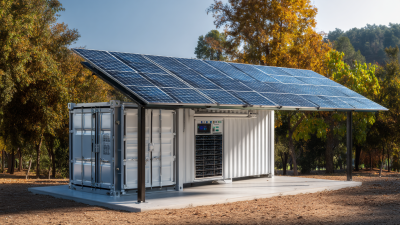
The integration of renewable energy sources with innovative battery systems is becoming increasingly essential for achieving sustainable energy solutions. According to a report by the International Energy Agency (IEA), the global capacity of energy storage systems is projected to reach 1,200 gigawatt-hours (GWh) by 2040, driven primarily by the demand for more reliable and efficient management of solar and wind energy. This surge in demand underscores the necessity for cutting-edge battery technologies that can store energy more effectively and enhance the overall resilience of renewable energy grids.
One noteworthy innovation is the development of solid-state batteries, which offer significantly higher energy densities compared to traditional lithium-ion batteries. A recent study published in Advanced Energy Materials suggests that solid-state batteries could increase the range of electric vehicles (EVs) and improve the stability of energy storage for residential solar systems. With the ongoing advancements in battery chemistry and manufacturing processes, we can expect to see a more seamless integration between renewable energy sources and battery storage, potentially reducing dependence on fossil fuels and fostering a more sustainable energy landscape.
2025 Top Battery Supply Innovations for Sustainable Energy Solutions
| Innovation |
Technology Type |
Battery Chemistry |
Energy Density (Wh/kg) |
Cycle Life (Cycles) |
Current Status |
| Solid-State Batteries |
Solid Electrolyte |
Lithium-ion |
300 |
1500 |
Prototype |
| Lithium-Sulfur Batteries |
Liquid Electrolyte |
Lithium-sulfur |
500 |
300 |
Research Phase |
| Flow Batteries |
Electrolyte Flow |
Vanadium Redox |
25 |
40000 |
Commercial |
| Graphene Batteries |
Hybrid Technology |
Graphene-Lithium |
350 |
1000 |
Pilot Testing |
| Recyclable Batteries |
Eco-Friendly |
Nickel-Manganese-Cobalt |
150 |
2000 |
Commercial |
Maximizing Battery Lifespan through Advanced Recycling Techniques

The quest for sustainable energy solutions has brought battery recycling techniques to the forefront of innovation. As the demand for energy storage continues to surge, maximizing the lifespan of batteries becomes essential. Advanced recycling techniques not only extend the usability of battery components but also significantly reduce environmental impacts. By recovering valuable materials like lithium, cobalt, and nickel, these methods minimize the need for new raw materials, thus promoting a circular economy in battery production.
Moreover, the implementation of cutting-edge technologies, such as hydrometallurgical processes and direct recycling, enhances the efficiency of battery reuse. These approaches enable the extraction of materials at a higher purity level, which translates into better performance for new batteries. As the landscape of energy storage evolves, embracing these innovative recycling techniques will be crucial for achieving long-term sustainability, ensuring that battery technology contributes positively to the renewable energy ecosystem while effectively addressing waste management challenges.
Harnessing AI for Enhanced Battery Performance and Efficiency
The global push for sustainable energy solutions is leading to significant innovations in battery technology, particularly through the harnessing of artificial intelligence (AI). According to a recent report by the International Energy Agency (IEA), global battery storage capacity is expected to reach 1,100 GWh by 2025, driven by improvements in energy density and efficiency. AI plays a crucial role in optimizing the performance of batteries, enhancing their lifecycle management, and reducing costs. By employing machine learning algorithms, manufacturers can predict battery performance under various conditions, ultimately leading to better production methods and more durable products.
Furthermore, AI is facilitating the development of smart battery systems that can adjust charging and discharging cycles based on real-time energy demands. Research from Bloomberg New Energy Finance indicates that with AI integration, battery efficiency could improve by up to 20%. This advancement not only prolongs battery life but also enhances energy dispatch, making renewable energy sources more viable.
As the industry moves toward a greener future, leveraging AI for battery innovation stands as a cornerstone strategy in achieving significant reductions in carbon emissions and accelerating the transition to sustainable energy systems.
Implementing Smart Grids to Optimize Energy Storage Solutions
As the demand for sustainable energy solutions continues to grow, the implementation of
smart grids is becoming a pivotal strategy in optimizing energy storage systems. Smart grids facilitate
real-time communication between energy providers and consumers, allowing for more efficient monitoring and management of energy flows. By integrating
advanced technologies, such as IoT devices and artificial intelligence, smart grids can dynamically adjust energy distribution based on supply and demand
fluctuations, ensuring a stable and reliable energy supply.
Tips: When considering energy storage solutions, explore battery types that offer longevity and sustainability, such as
lithium-ion or flow batteries. It's also wise to assess how smart grid technology can enhance
your energy management strategies, potentially lowering costs and increasing efficiency.
The rise of smart grids also encourages the use of renewed energy sources, such as solar and
wind. With smart grids, excess energy generated during peak production times can be stored and
redistributed during lower demand periods. This not only maximizes the use of renewable resources but also minimizes energy waste. By fostering an
interconnected approach to energy application, smart grids are key to transforming our energy landscape, paving the way for a greener future.
Tips: Always look for solutions that promote interoperability among different energy sources within your smart grid
system. This can help ensure seamless integration and improve overall energy resilience.