What is an automotive battery and how does it work?
Automotive batteries are essential for the functioning of modern vehicles. They provide the electrical power needed to start the engine and power various electronic systems. According to Dr. Emily Chen, a leading expert in automotive technology, "Understanding automotive batteries is crucial for enhancing vehicle efficiency and performance." This highlights the importance of not just having a battery, but having the right one.
Automotive batteries work by converting chemical energy into electrical energy. Inside, there are lead plates and an electrolyte solution. This setup creates a reaction that produces electricity. However, many drivers overlook the state of their batteries. A weak battery can lead to starting issues, especially in cold weather. Regular maintenance is vital to avoid unexpected failures.
Despite advancements, the industry faces challenges. Battery technology evolves, but some consumers still rely on outdated models. This creates a gap in efficiency. It’s essential to stay informed about the latest technologies. Newer batteries offer better reliability and longevity. As the automotive landscape changes, understanding automotive batteries will be key to driving forward.
What is an Automotive Battery?
An automotive battery is a crucial component of any vehicle. It serves as the primary source of electrical power. Most modern batteries are lead-acid types, known for their reliability and efficiency. According to recent industry reports, over 70% of vehicles worldwide utilize these batteries. They typically weigh between 30 to 50 pounds and contribute significantly to a car's overall weight.
The primary function of an automotive battery is to start the engine. It provides the energy needed to crank the engine and power electrical systems. Once the engine is running, the alternator takes over and recharges the battery. This creates a cycle that can last for years when properly maintained. However, neglect or extreme temperature fluctuations can drastically reduce a battery's lifespan, which is often less than five years.
It's vital to monitor battery health regularly. Signs of decline include slow engine cranking and dashboard warning lights. Battery failure can leave drivers stranded unexpectedly. Industry studies indicate that up to 25% of roadside breakdowns are attributed to battery issues. Thus, regular checks can prevent inconvenience and dangerous situations. In a world increasingly reliant on technology, understanding automotive batteries is more important than ever.
The Main Components of an Automotive Battery
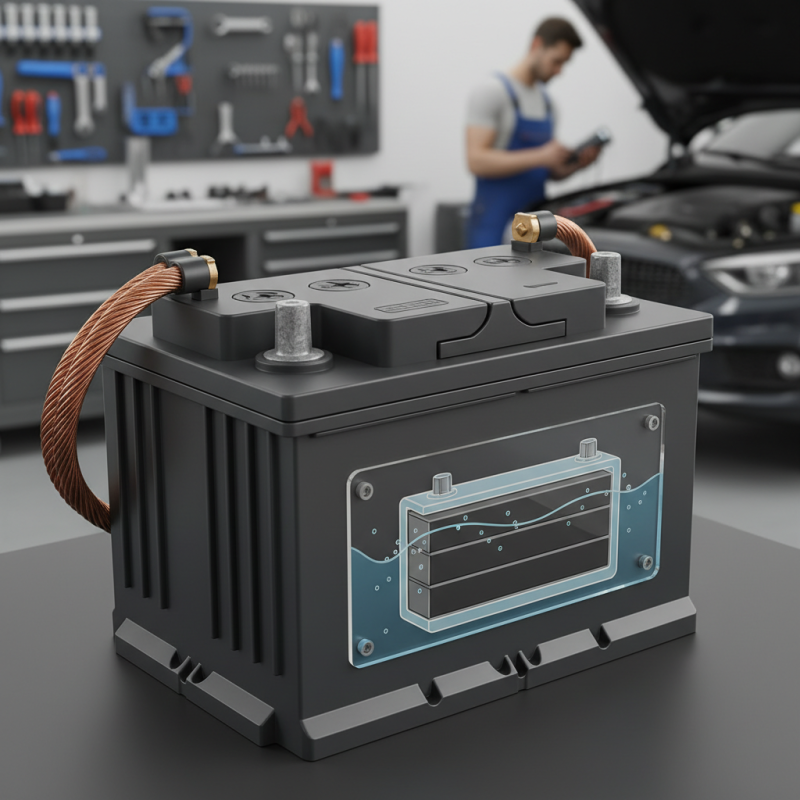
An automotive battery is essential for vehicle operation. It stores electrical energy and powers key components. The battery mainly consists of lead plates, sulfuric acid, and separators. Each part plays a unique role in energy production.
Lead plates generate electricity when immersed in sulfuric acid. The chemical reaction between acid and lead creates a flow of electrons. Separator materials keep the lead plates apart, preventing short circuits. This allows the battery to function safely and efficiently.
Tips: Regularly check your battery terminals for corrosion. Clean them if needed. A well-maintained battery lasts longer and performs better. Ensure your battery is securely fastened in its compartment. A loose battery can lead to poor performance.
Modern batteries may come with advanced features, like built-in sensors. These sensors monitor battery health and charge levels. However, if these fail, it could go unnoticed, leading to sudden breakdowns. Regular maintenance checks are crucial to prevent such issues.
How Automotive Batteries Generate Electrical Power
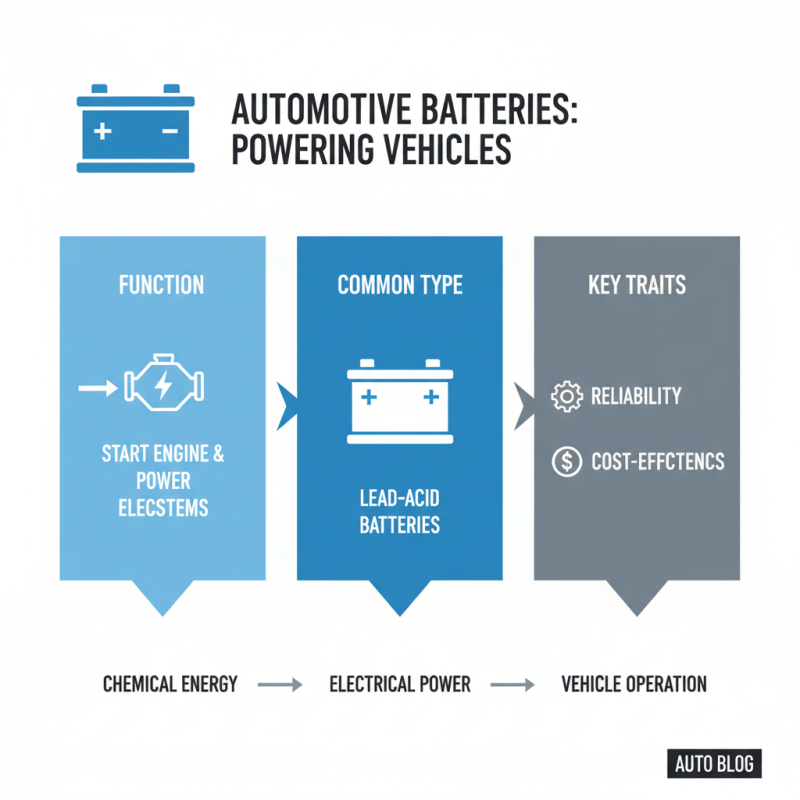
Automotive batteries are critical for generating electrical power in vehicles. Most commonly, they are lead-acid batteries, known for their reliability and cost-effectiveness. These batteries store chemical energy, which is converted into electricity to start the engine and power electrical systems.
When the engine runs, the alternator recharges the battery. This process keeps the battery’s voltage stable. Reports indicate that a typical car battery produces around 12.6 volts of electricity when fully charged. Understanding this helps gauge battery health. A voltage drop can signify issues.
Tips: Regularly check your battery’s voltage. Use a multimeter for accuracy. If readings fall below 12.4 volts, consider testing it further.
Battery life is affected by temperature. Extreme cold can reduce the battery’s capacity. Conversely, excessive heat can lead to premature failure. Statistics from industry reports reveal that batteries can lose up to 50% of their strength in colder climates. Think about where and how you use your vehicle.
Tips: Keep batteries clean and terminals free of corrosion. This maintenance extends their life. Always focus on safe handling during installation and disposal. A little prevention goes a long way.
Understanding Battery Charging and Discharging Processes
When we talk about automotive batteries, understanding the charging and discharging processes is vital. The charging process starts when the engine runs. It converts mechanical energy into electrical energy. This energy flows to the battery, replenishing its stored power. As the battery charges, chemical reactions occur inside. These reactions convert electrical energy into chemical energy.
Discharging is where things get interesting. When you turn on your car, the battery releases energy. This energy powers the starter, which cranks the engine. It also runs lights and other electrical systems. The chemical reactions now reverse, releasing stored energy as electrical energy. Over time, the battery loses its ability to hold a charge. It’s a cycle that requires monitoring.
Many people overlook battery maintenance. Not all batteries age the same. Some may fail prematurely. Regular checks can prevent unexpected breakdowns. Cleaning terminals can improve connections. Understanding these processes helps extend battery life. Ideal conditions improve performance, but mistakes can happen. Neglect leads to a dead battery. Remember, awareness is key to avoiding frustration.
Common Types of Automotive Batteries and Their Applications
Automotive batteries come in several types, each designed for specific applications. The most common type is the lead-acid battery. These batteries are widely used in traditional vehicles. They provide reliable starting power and can handle various environments. However, they are heavy and may not last as long as others.
Another type is the lithium-ion battery. This technology is becoming more popular in electric vehicles. They are lighter and can hold more charge. Yet, they can be expensive to replace if damaged. Maintenance can also be tricky.
Nickel-metal hydride batteries are another option. You often find them in hybrid cars. They offer a good balance between performance and weight. Still, they may not deliver as much power as lithium-ion counterparts. The choice of battery will depend on the vehicle and how it is used. Each type has its pros and cons, requiring careful consideration from users.
Common Types of Automotive Batteries and Their Applications