Why is Battery Supply Crucial for Sustainable Energy Solutions?
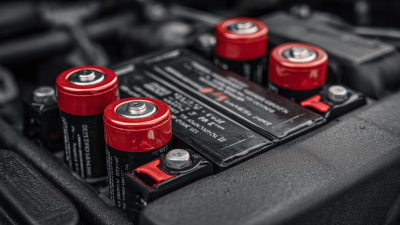
The transition to sustainable energy solutions relies heavily on battery supply. As renewable energy sources like solar and wind become predominant, the need for efficient energy storage solutions grows. Batteries serve as the backbone of this transition. They store energy generated during peak production times and release it when demand rises.
However, challenges arise in securing a reliable battery supply. The production of batteries requires essential minerals, such as lithium and cobalt. These materials are often unevenly distributed globally, creating potential supply chain risks. A lack of accessible raw materials may hinder the growth of a sustainable energy market.
Moreover, the current battery recycling processes are not sufficient. Many batteries end up in landfills, contributing to environmental issues. This gap in recycling could thwart future advancements. A stable battery supply chain is not just a logistical concern; it is critical for a sustainable future. Addressing these issues is vital for maintaining momentum in energy innovation.
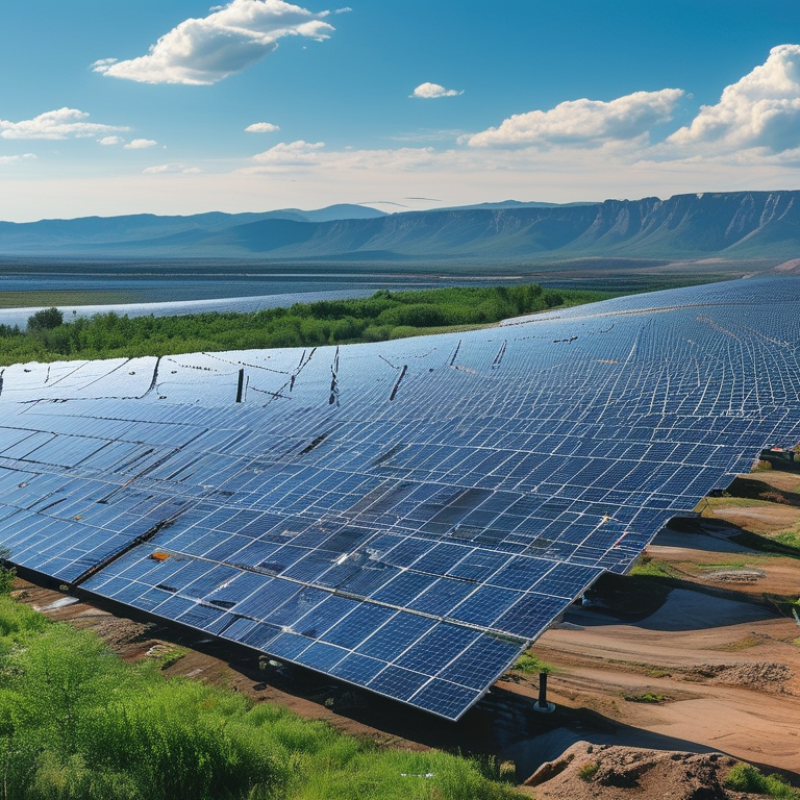
The Role of Batteries in Renewable Energy Systems
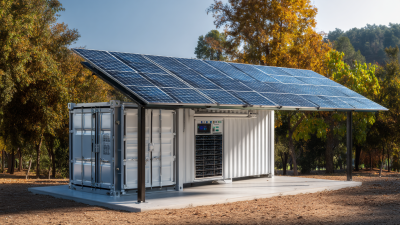
Batteries are central to renewable energy systems, offering a solution to intermittent energy generation. Solar and wind power produce energy variably throughout the day. This fluctuation can limit their effectiveness. Batteries store excess energy generated during peak production times. They release it when generation drops, ensuring a stable power supply.
Energy storage technology has advanced significantly in recent years. Lithium-ion batteries dominate the market for their efficiency and energy density. However, they still face challenges. Current recycling methods are not fully efficient. Additionally, material sourcing often has negative environmental impacts. New battery technologies are emerging, but scaling them remains a challenge.
Integrating batteries into energy systems is crucial for sustainability. They support grid stability, reduce reliance on fossil fuels, and enhance energy independence. However, it's important to analyze their life cycle impacts. We must consider how to make battery production and disposal more environmentally friendly. The path forward requires collaboration among scientists, policymakers, and engineers. The journey to sustainable energy is complex and still unfolding.
Why is Battery Supply Crucial for Sustainable Energy Solutions? - The Role of Batteries in Renewable Energy Systems
| Dimension |
Value |
Importance |
| Battery Capacity (GWh) |
250 |
Essential for energy storage in grid applications |
| Cycle Life (Charges) |
5000 |
Indicates longevity and sustainability of battery usage |
| Charging Time (Hours) |
1.5 |
Affects the efficiency of energy storage systems |
| Cost per kWh ($) |
100 |
Determines economic viability of energy storage solutions |
| Environmental Impact (kg CO2/kWh) |
15 |
Reflects sustainability and efficiency in energy production |
Types of Batteries Used in Sustainable Energy Applications
Batteries play a vital role in renewable energy systems. Different types offer unique advantages for various applications. Understanding these batteries helps in choosing the right solution.
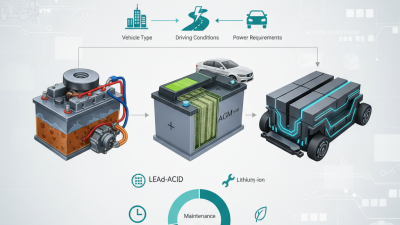
Lithium-ion batteries are widely used. They are efficient and have a high energy density. This makes them suitable for electric vehicles and solar energy storage. However, their production impacts the environment. Extracting lithium can lead to ecological issues.
Lead-acid batteries are another option. They are cheaper and have a proven track record. Used primarily in backup power and grid storage, they are reliable but not as efficient as newer technologies. The recycling process is crucial to mitigate their environmental effect.
Tips: Always consider battery lifespan and efficiency. Research alternative technologies, like sodium-ion batteries, to explore new possibilities. Education is key; stay informed about developments in battery technology for sustainable energy.
Types of Batteries Used in Sustainable Energy Applications
Challenges in Battery Production and Supply Chains
Battery production is a critical component in the pursuit of sustainable energy solutions. The growing demand for electric vehicles and renewable energy sources places immense pressure on battery supply chains. However, challenges such as raw material scarcity and geopolitical tensions complicate these supply chains. Many locations lack the infrastructure needed for large-scale battery production. This can delay the deployment of eco-friendly technologies.
Additionally, the extraction of materials, like lithium and cobalt, raises environmental and ethical concerns. Sustainable sourcing practices are often overlooked in the race to increase production. This creates an ethical dilemma for companies striving for sustainability. They must address these issues while still meeting market demands.
Tips: Focus on optimizing the supply chain. Companies can collaborate with local suppliers to ensure a more reliable flow of materials. Consider investing in research and development for recycling technologies to reclaim valuable materials from used batteries. This not only supports sustainability but also mitigates supply chain risks. Industry professionals must stay informed about evolving regulations and potential disruptions in the market.
Technological Innovations Driving Battery Sustainability
Technological innovations are reshaping battery sustainability. The push for eco-friendly solutions has led to breakthroughs in battery materials and recycling techniques. New chemistries, like solid-state batteries, promise higher efficiency and reduced environmental impact. These advancements help address the pressing need for energy storage in renewable systems.
Tips: Focus on understanding the science behind battery technology. Inquire about materials and their sourcing. Awareness fosters informed choices.
Another exciting development is in recycling. Researchers are exploring methods to recover critical materials from old batteries. These methods not only minimize waste but also lessen the demand for new raw materials. Still, widespread adoption remains a challenge. The process can be costly and complex, limiting its impact.
Tips: Stay updated on local recycling initiatives. Engage with programs promoting battery recycling in your community. Support innovative approaches to sustainability.
Future Trends in Battery Supply for Clean Energy Solutions
The demand for clean energy solutions is rising. Batteries play a key role in this transition. According to the International Energy Agency (IEA), battery storage capacity could expand significantly by 2030, reaching over 600 GWh. This growth is crucial for renewable energy integration, especially for solar and wind power.
Future trends point to innovations in battery technology. Solid-state batteries promise higher energy density and longer lifetimes. A report from BloombergNEF projects that the cost of lithium-ion batteries could decrease to below $100 per kWh by 2025. Such advancements will support electric vehicles and grid storage, fostering a sustainable energy ecosystem.
**Tip:** Stay updated on battery technology advancements. Understanding these trends can inform smarter energy choices.
However, challenges remain. Supply chain disruptions, rare mineral shortages, and recycling issues threaten battery availability. According to the World Economic Forum, up to 40% of raw materials may be at risk due to geopolitical factors. Addressing these supply concerns is vital for a stable energy future.
**Tip:** Consider local energy solutions to reduce dependency on imported materials. Community-based systems can enhance resilience.
Investing in battery manufacturing and recycling is essential. Building infrastructure to support sustainable practices is not just beneficial; it is necessary. Ensuring a reliable battery supply chain will be pivotal in achieving global clean energy goals.