
Call Us For Your Battery Needs
800-400-4858
What Is the Best Car Battery Store in China?
Choosing the best car battery store in China requires more than comparing prices online. Drivers need reliable products, accurate technical advice, and dependable after-sales support. A suitable store should offer batteries from established manufacturers, clear specifications, and documented warranty terms. It should also understand local driving conditions, including heavy traffic, hot summers, cold northern winters, and vehicles that remain parked for long periods.
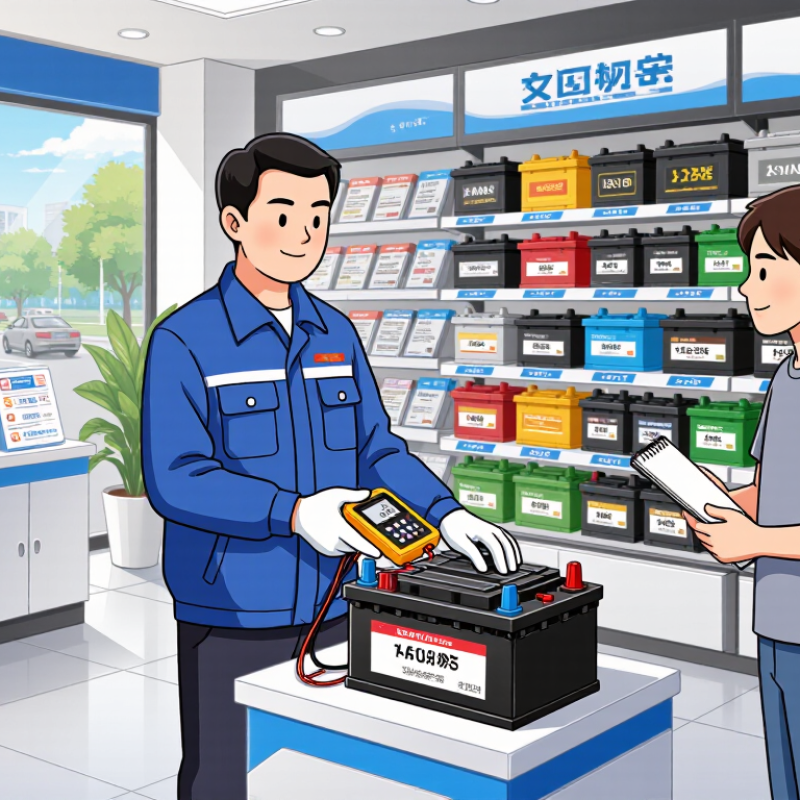
A professional car battery store should check the vehicle before recommending a replacement. Important details include battery size, terminal position, starting power, charging voltage, and compatibility with start-stop systems. Experienced technicians may use a tester to measure voltage, cranking performance, and charging health. Small details matter. A rushed installation can create avoidable problems.
Trust also depends on evidence. Look for transparent invoices, traceable product information, trained staff, and realistic warranty support. Online reviews can help, but they should not be treated as complete proof. Some reviews are vague, outdated, or overly positive. That is worth questioning. A store with many branches is not automatically the most reliable choice.
This guide examines how to compare battery retailers across China, from local workshops to major e-commerce platforms and authorized dealers. It considers product quality, service consistency, pricing, delivery, installation, and responsible battery recycling. No single store will suit every driver. The best choice depends on the vehicle, location, budget, and expected service level. A careful comparison can reduce breakdown risks and make the purchase more predictable.
Defining the Best Car Battery Store in China
What Is the Best Car Battery Store in China?
Defining the Best Car Battery Store in China
The best car battery store is not always the largest one. It is a store that matches the battery to the vehicle, climate, and driving habits. In China, regional conditions matter. Hot southern summers can accelerate battery aging. Cold northern winters can expose weak starting power.
A reliable store should check the vehicle before recommending a replacement. Staff should inspect terminal corrosion, charging voltage, battery size, and cold cranking performance. They should also read the production date clearly. A battery sitting too long on a shelf may provide less confidence. Ask for a printed test result. Small details matter.
A useful store keeps common specifications available and explains alternatives without pressure. Its technicians should install the battery safely and reset vehicle systems when necessary. They should provide clear warranty terms, invoices, and after-sales contact details. Proper handling of used batteries also shows professional responsibility. I once accepted a quick replacement without checking the charging system. The new battery failed early. That mistake changed my expectations.
Good advice should include limits. No store can promise identical battery life for every driver. Traffic, short trips, heat, and parking habits all influence performance. Customer reviews can help, but verified service records are more valuable. The strongest store combines trained staff, transparent testing, suitable inventory, and dependable support. It may not look impressive from the street. Its workmanship should be easy to verify.
What Is the Best Car Battery Store in China? - Defining the Best Car Battery Store in China
A brand-neutral evaluation framework for comparing car battery stores in China
| Evaluation Dimension | Weight | Measurable Standard | Recommended Best-Practice Target | Evidence to Check |
|---|---|---|---|---|
| Vehicle Compatibility | 15% | Correct fitment, battery size, terminal layout, capacity, and starting-current specification | At least 98% accurate recommendations based on vehicle and battery information | Vehicle registration details, battery label, fitment database, and written quotation |
| Product Compliance and Safety | 15% | Products meet applicable Chinese automotive lead-acid battery requirements and transport rules | 100% of products supplied with legible specifications, safety information, and traceable documentation | Product label, conformity documentation, safety data, and invoice |
| Stock Freshness and Storage | 10% | Inventory age, charge condition, warehouse cleanliness, and protection from heat and moisture | Date-coded stock, pre-installation voltage check, and documented stock rotation | Manufacturing code, voltage test result, storage area, and inventory policy |
| Testing and Installation Quality | 15% | Battery testing, terminal inspection, secure mounting, polarity verification, and charging-system check | A documented pre-installation and post-installation test for every installation | Test report, installation checklist, technician training record, and customer sign-off |
| Warranty Clarity | 15% | Written warranty period, coverage, exclusions, claim procedure, and replacement terms | Terms provided before payment, with invoice and installation date recorded | Warranty card, invoice, service record, and customer-service contact |
| Price Transparency | 10% | Clear separation of product price, installation fee, testing fee, delivery fee, and old-battery deposit | No undisclosed charges; final price matches the written quotation | Itemized quotation, official invoice, payment record, and return policy |
| Used-Battery Collection | 5% | Safe collection, temporary storage, and transfer through compliant recycling channels | Old batteries collected in sealed, labeled containers with transfer records where applicable | Collection receipt, storage procedure, and authorized recycling documentation |
| Availability and Delivery | 5% | Availability of common specifications, delivery accuracy, and emergency replacement capability | Accurate stock information and delivery within the time promised at checkout | Inventory confirmation, delivery record, and order-status updates |
| Customer Service and After-Sales Support | 10% | Response time, complaint handling, replacement support, and service accessibility | Acknowledgement within one business day and a documented resolution process | Service records, complaint channel, response-time policy, and customer feedback |
| Total Evaluation Weight | 100% | The best store is the one that performs consistently across safety, fitment, service, transparency, and responsible battery collection. | ||
Related Posts
-
What Are the China Top 10 Car Battery Stores?
-

10 Best Car Battery Stores for Reliable Power Solutions?
-
What is a Car Battery Store and How to Choose the Right One for Your Needs
-
Top 10 Car Batteries to Power Your Vehicle in 2023
-
Top 10 Car Batteries for Ultimate Performance and Longevity?
-
Best Car Batteries for Performance and Longevity?