What is the Best Solar MPPT Controller for Efficient Energy Use?
In recent years, renewable energy has gained immense popularity. Among these sources, solar energy stands out. With the right equipment, the benefits can be significant. A Solar MPPT controller is crucial for maximizing energy production.
These controllers efficiently convert solar energy from panels to usable electricity. Choosing the best Solar MPPT controller can make a noticeable difference in performance. There are many options available, each with unique features. However, not all controllers are created equal. Some may not offer the efficiency you expect.
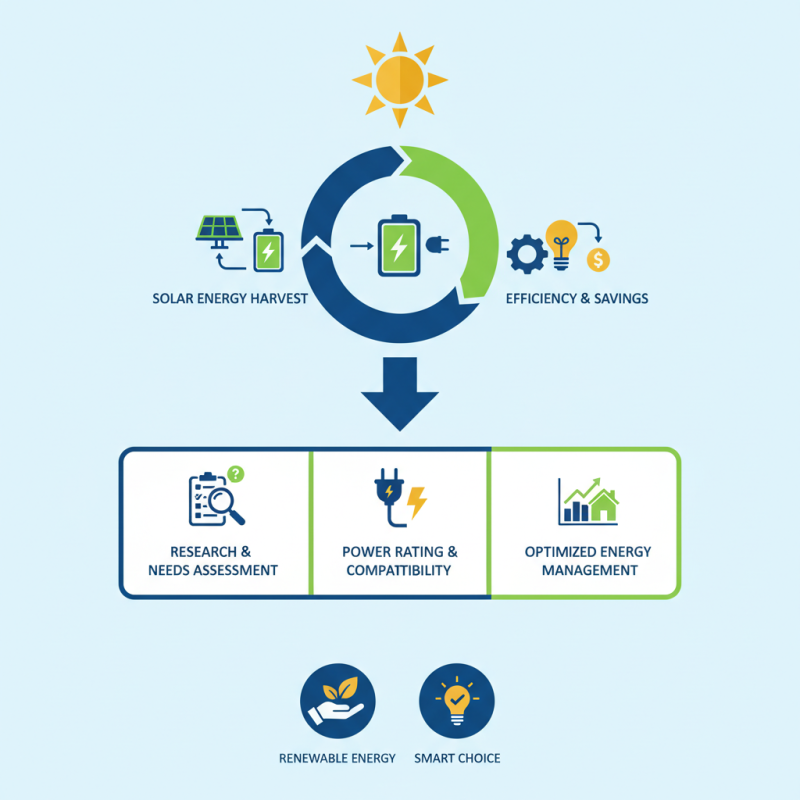
When selecting a Solar MPPT controller, consider your specific needs. Look at the power rating and compatibility with your solar setup. Proper research is essential to avoid wasting resources. The right choice can lead to better energy management and savings. While many controllers provide decent performance, it's important to reflect on your decisions.
What is an MPPT Solar Charge Controller?
An MPPT solar charge controller is a crucial component for maximizing solar energy. MPPT stands for Maximum Power Point Tracking. This technology optimizes the power output from solar panels. It adjusts the electrical operating point of the modules. In doing so, it ensures that the energy captured is as high as possible. According to a report from the National Renewable Energy Laboratory (NREL), MPPT can increase solar energy harvesting by 20-30% compared to traditional PWM controllers.
The efficiency of an MPPT solar charge controller often depends on several factors. Temperature, light conditions, and the design of the solar system all play roles. In ideal conditions, these controllers can achieve efficiencies up to 98%. However, this is rarely the case in real-world scenarios. Dust, shading, or even aging solar panels might reduce performance. According to industry studies, many systems underperform by 15-25% due to these practical issues.
Cost is another consideration. While MPPT controllers may have higher initial costs, their benefits can outweigh them. Long-term energy savings can be significant. Unfortunately, many consumers overlook the importance of quality. Inadequate planning and selection often lead to regrets. It's vital to conduct proper research and consider both upfront and ongoing costs. Balancing investment and efficiency can be challenging but rewarding.
Benefits of Using MPPT Controllers Over PWM Controllers
MPPT (Maximum Power Point Tracking) controllers provide several advantages over traditional PWM (Pulse Width Modulation) controllers. A study by the National Renewable Energy Laboratory found that MPPT controllers can increase energy harvest by up to 30%. This is crucial in regions with variable sunlight, where maximizing energy collection is essential.
MPPT technology continuously adjusts the electrical load to maximize power output from solar panels. In contrast, PWM controllers simply connect panels to batteries. This can lead to energy loss, especially in low light conditions. Research shows that systems using MPPT can reduce payback periods by effectively utilizing available sunlight.
However, MPPT controllers can be more complex and expensive. Users must weigh the higher initial investment against potential energy savings. If installed incorrectly, they could also lead to inefficiencies or overheating. It's essential to analyze specific needs and ensure proper installation for optimal performance. Despite these challenges, the benefits of MPPT technology are hard to ignore.
Factors to Consider When Choosing an MPPT Solar Controller
When selecting an MPPT solar controller, several key factors should be considered. Efficiency is crucial; higher efficiency means better energy conversion. Research indicates that a quality MPPT controller can boost solar panel output by 10-30%. This difference can significantly impact your energy savings over time. Look for controllers with an efficiency rating above 95%. This often indicates advanced technology and reliable performance.
A user-friendly interface is also important. A controller with a clear LCD display makes monitoring easier. Some models may offer mobile app integration. This convenience allows real-time performance tracking. However, frequent updates may cause connectivity issues, so it's wise to consider user reviews for reliability.
Tip: Don't overlook the importance of system compatibility. Ensure the controller matches your solar panel setup. Mismatched voltage levels could lead to inefficient energy use. Additionally, consider the environmental factors. Controllers that can withstand temperature extremes and humidity will last longer.
Lastly, keep an eye on price versus features. Expensive models may not always deliver better performance. It's vital to weigh the benefits against your budget. Make sure the features you need justify the cost. Assessing these factors carefully can help you choose the best MPPT solar controller for your energy needs.
Top MPPT Solar Controllers on the Market: A Comparative Review
When looking for the best MPPT solar controllers, it’s important to evaluate their efficiency. A study from the National Renewable Energy Laboratory indicates that MPPT controllers can increase solar panel output by up to 30%. This efficiency boost is crucial in regions with limited sunlight hours. Many users have reported differences in performance across various brands, often citing efficiency ratings between 95% and 98%.
Battery compatibility is another essential factor. Not all MPPT controllers work well with every battery type. Reports show that lithium batteries may require specific configurations for optimal performance. Simpler models might not offer the flexibility needed for these advanced systems. This can lead to underperformance, impacting overall energy savings.
Some users express concerns about installation complexity. Many controllers come with intricate manuals that can confuse beginners. Missteps during installation can lead to inefficient usage, undermining the purpose of investing in an MPPT controller. Overall, reviewing user experiences and expert feedback is vital before making a decision.
Tips for Optimizing Energy Use with MPPT Controllers
When it comes to maximizing energy use with solar MPPT controllers, optimization is key. According to industry reports, properly configured MPPT controllers can increase energy harvest by 20-30%. This increase can significantly reduce overall energy costs.
One effective tip is to regularly monitor system performance. Check input and output data frequently. This can help identify any discrepancies that indicate inefficiencies. Data analysis can provide insights into how much energy you're actually using vs. what is produced. A small unexpected drop can signal a need for adjustments.
Another tip involves system placement. Position solar panels to maximize sunlight exposure throughout the day. Shadows from nearby structures can drastically impact performance. According to the National Renewable Energy Laboratory, optimal orientation can increase efficiency by more than 15%.
Consider the system's temperature management too. High temperatures can decrease MPPT efficiency. Ensure that your components have adequate ventilation or shading. This may not be an obvious factor, but overlooked thermal management can lead to lower output. Simple adjustments can lead to noticeable improvements.
Energy Efficiency of Different Solar MPPT Controllers
This bar chart illustrates the energy efficiency (conversion rates) of different solar MPPT controllers, showcasing how they perform in optimizing energy use.