What is the Best Type of Car Batteries for Your Vehicle Needs

When it comes to selecting the right type of batteries car batteries for your vehicle, understanding your specific needs is crucial. Renowned industry expert, Dr. Emily Carter, a leading figure in automotive energy systems, emphasizes, "The right battery can significantly enhance your vehicle's performance and longevity." As vehicles become increasingly sophisticated, the demand for reliable, efficient batteries has never been greater. With choices ranging from traditional lead-acid batteries to advanced lithium-ion options, making an informed decision involves weighing factors such as vehicle type, driving conditions, and power requirements.

In the quest for optimal automotive performance, car owners face various considerations, including battery life, maintenance needs, and environmental impact. This article will delve into the different types of car batteries available on the market, highlighting their advantages and disadvantages, and ultimately guiding you to find the best fit for your vehicle. Understanding the intricacies of batteries car batteries will not only enhance your driving experience but also ensure that your vehicle operates at its peak efficiency.
What is the Best Type of Car Batteries for Your Vehicle Needs

Types of Car Batteries: An Overview of Options Available

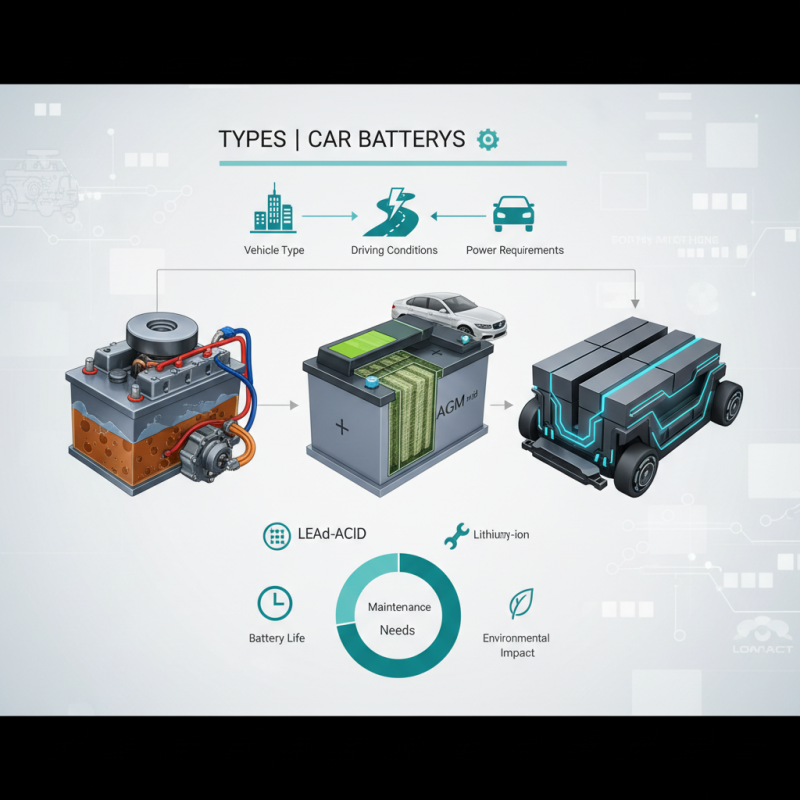
When it comes to selecting the right car battery, it's essential to understand the various types available in the market. The most common options include lead-acid batteries, absorbent glass mat (AGM) batteries, and lithium-ion batteries. Lead-acid batteries are the traditional choice, often favored for their cost-effectiveness and reliability. They come in two subcategories: flooded and sealed. Flooded batteries require regular maintenance, while sealed options, such as valve-regulated lead-acid batteries, are maintenance-free and ideal for drivers looking for convenience.

AGM batteries have gained popularity due to their enhanced performance and durability. They can handle deep discharges and are less susceptible to damage from vibrations, making them suitable for vehicles with higher energy demands, such as those equipped with advanced electronics and start-stop systems. On the other hand, lithium-ion batteries are the latest innovation in automotive power. Although they are more expensive, they offer significant weight savings, longer lifespan, and rapid charging capabilities, which can be crucial for electric and hybrid vehicles. Understanding these options will help you make an informed decision that best suits your vehicle's requirements.

What is the Best Type of Car Batteries for Your Vehicle Needs - Types of Car Batteries: An Overview of Options Available

Battery Type Key Features Best For Average Lifespan Cost Range
Lead-Acid Battery Affordable and widely available Standard vehicles 3-5 years $100 - $200
AGM Battery High performance, spill-proof Luxury vehicles, power-hungry accessories 4-7 years $150 - $300
Lithium-Ion Battery Lightweight, fast charging Electric vehicles, high-performance applications 8-10 years $500 - $1000
Flooded Battery Requires maintenance, affordable Classic cars, older vehicle models 2-4 years $80 - $150

Factors to Consider When Choosing a Car Battery

What is the Best Type of Car Batteries for Your Vehicle Needs

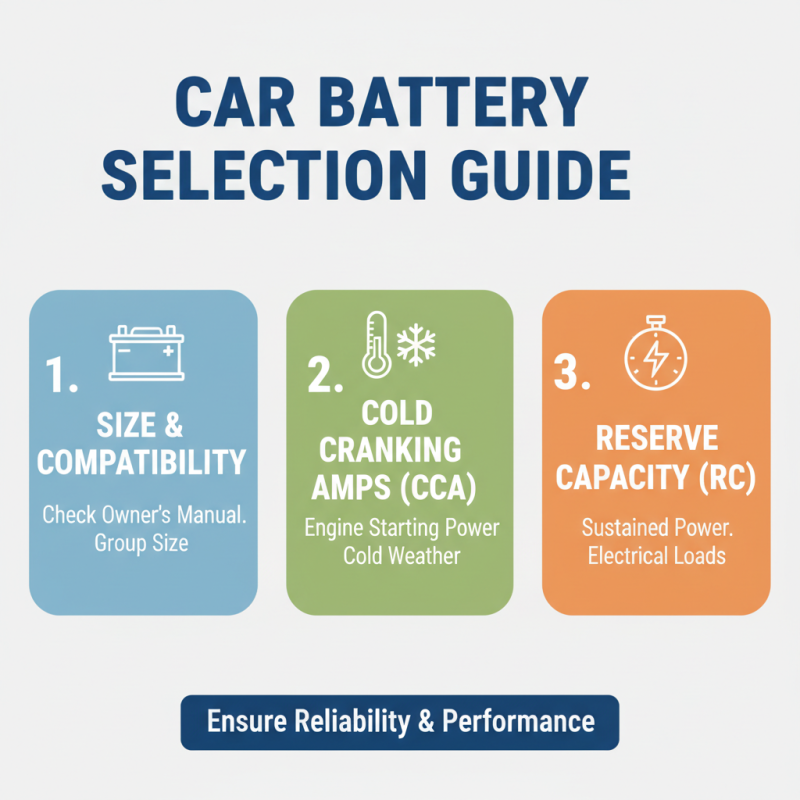
When selecting a car battery, several critical factors must be considered to ensure that the battery meets your vehicle's specific needs. First, the battery's size and compatibility are vital. Each vehicle requires a battery that fits its designated space and meets the manufacturer's specifications. Checking the owner's manual for the correct group size is an essential step in avoiding potential issues with installation and performance.

Another significant factor is the battery's cold cranking amps (CCA). This rating indicates the battery's ability to start the engine in cold temperatures. If you reside in an area with harsh winters, opting for a battery with a higher CCA is advisable to ensure reliable engine starts. Additionally, you should consider the battery's reserve capacity, which reflects how long it can run on its own without being charged. A battery with a good reserve capacity can provide power to essential systems even when the alternator fails, offering peace of mind in unexpected situations.

Lastly, the lifespan and maintenance needs of the battery are crucial for long-term satisfaction. Some batteries are maintenance-free, allowing for a hassle-free experience, while others may require periodic checks of fluid levels. Evaluating your willingness to perform regular maintenance versus the benefits of convenience can help guide your decision-making process. Understanding these factors will help you choose the most suitable battery for your vehicle, ensuring optimal performance and longevity.

Comparing Lead-Acid and AGM Batteries for Performance

When it comes to selecting the right car battery for your vehicle, understanding the differences between lead-acid and AGM (Absorbent Glass Mat) batteries is essential for optimal performance. Lead-acid batteries have been the traditional choice for vehicles due to their reliability and cost-effectiveness. They function well in moderate climates and are capable of delivering high surge currents, making them suitable for starting engines. However, they tend to be less efficient in deep discharge scenarios and may require more frequent maintenance, such as checking fluid levels and ensuring proper charging.

On the other hand, AGM batteries offer several advantages, particularly for those who require a more robust performance. These batteries are sealed and less prone to leaking, which makes them safer for various applications. They possess a higher tolerance for deep discharges and generally have a longer lifespan compared to lead-acid batteries. AGM batteries also provide faster recharging capabilities and better performance in extreme temperatures, making them an excellent choice for vehicles subjected to harsh conditions. Overall, the decision between lead-acid and AGM batteries should be based on specific vehicle needs, performance expectations, and environmental factors.

Understanding Battery Specifications: Ah, CCA, and More

When choosing the right car battery for your vehicle, understanding battery specifications is crucial. One of the most important ratings is Ampere-hours (Ah), which indicates the battery's capacity to deliver power over a set period. A battery with a higher Ah rating can provide more energy, which is beneficial for vehicles that require significant power for features like heated seats or an advanced sound system. Knowing your vehicle's electrical demands is key to selecting a battery that adequately supports them.

Another critical specification is Cold Cranking Amps (CCA), which measures a battery's ability to start an engine in cold temperatures. This rating is vital in regions that experience extreme weather conditions, as a higher CCA means the battery can deliver enough power to start the engine under those challenging circumstances. Additionally, other specifications such as reserve capacity and voltage should also be considered when selecting a battery that meets your needs. Understanding these terms will help you make an informed decision, ensuring that your vehicle runs smoothly and efficiently throughout the year.

Maintaining Your Car Battery for Longevity and Performance

What is the Best Type of Car Batteries for Your Vehicle Needs

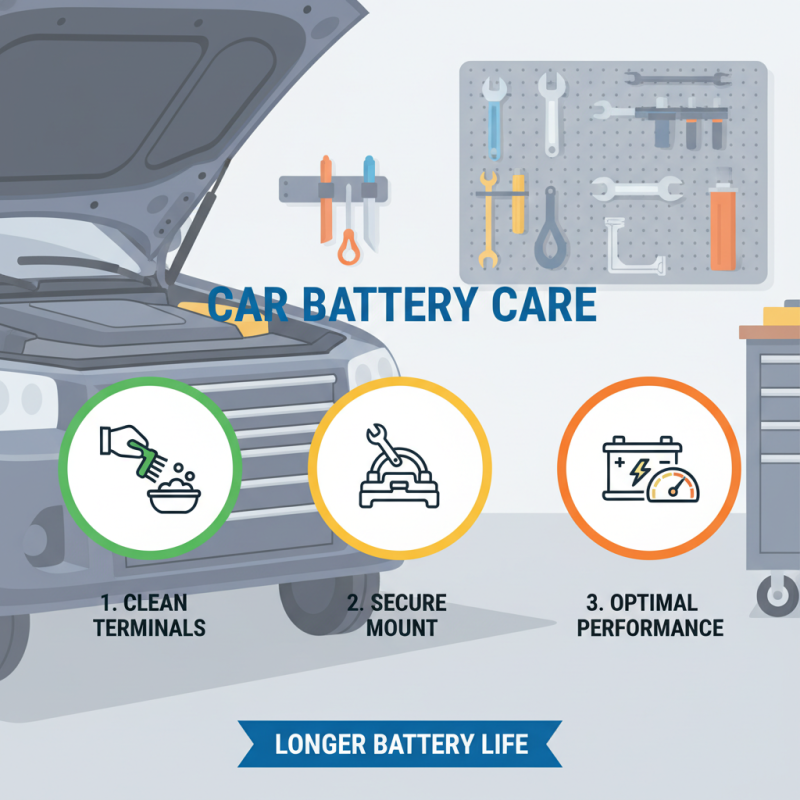
Maintaining your car battery is crucial for ensuring its longevity and optimal performance. One of the fundamental practices is to regularly check the battery terminals for corrosion, which can hinder the connection and lead to starting issues. Cleaning the terminals with a mixture of baking soda and water can effectively remove any buildup. Additionally, ensuring that the battery is securely mounted can prevent vibrations that may damage the internal components.

Another key aspect of battery maintenance is monitoring the electrolyte levels in conventional lead-acid batteries. Keeping the electrolyte levels topped up with distilled water when necessary helps to prevent sulfation and prolongs battery life. It’s also beneficial to test the battery's charge regularly and have it professionally checked, especially as the weather changes, since extreme temperatures can affect battery performance. Establishing these maintenance habits will not only enhance the reliability of your vehicle but also save you from premature replacement costs.