
Call Us For Your Battery Needs
800-400-4858
How to Buy Batteries Safely and Wisely?
When you decide to buy batteries, safety and quality should be at the forefront of your mind. The global battery market is projected to reach $100 billion by 2025, according to a report by MarketsandMarkets. With so many options available, navigating this market can be overwhelming. An industry expert, Dr. Emily Carter, emphasizes the need for cautious purchasing, stating, "Choosing the right battery means ensuring reliability and safety for your devices."
Purchasing batteries isn't as simple as it seems. Consumers often face challenges such as counterfeit products and misleading marketing. According to the Battery Manufacturers Association, around 20% of batteries sold online may not meet safety standards. This raises a critical question about reliability. It’s crucial to educate oneself about brands and types that prioritize customer safety.
Before you make a purchase, consider the specific requirements of your devices. Research reputable brands and check for certifications. The right choices ensure your devices run efficiently. Ignoring these factors may lead to purchasing subpar batteries, which can ultimately be harmful. Reflect on these aspects to ensure wise battery purchases.

Understanding Different Types of Batteries Available in the Market
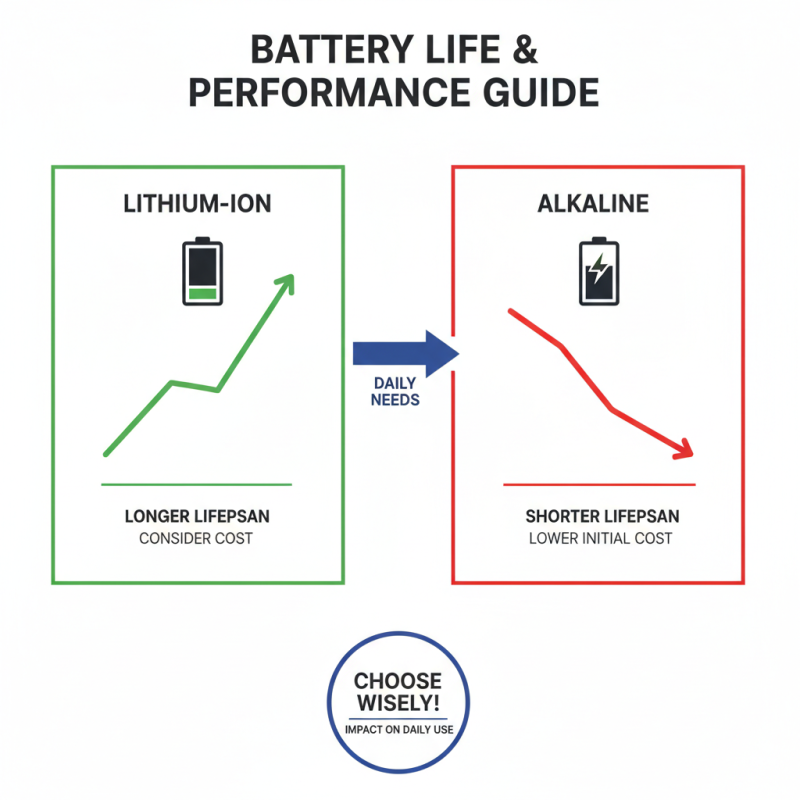
When purchasing batteries, it’s crucial to understand the types available in the market. There are various battery types, each serving different purposes. For instance, alkaline batteries are common in household devices, while lithium-ion batteries power smartphones and laptops. According to a recent market analysis, demand for lithium-ion batteries is projected to grow at a rate of 15% annually. This trend is driven by the increase in portable electronic devices.
Lead-acid batteries are another significant category. They dominate the automotive sector, holding around 50% of the global battery market. While they are reliable, they come with issues. Their weight can make transportation challenging, and they require proper disposal to avoid environmental hazards. In contrast, nickel-metal hydride batteries, often used in hybrid vehicles, offer better energy density. However, their higher cost can deter some consumers.
The charging cycle is also a factor to contemplate. Lithium-ion batteries can endure roughly 500 to 1,500 cycles, but usage habits can affect longevity. Many users overlook this aspect, leading to premature failures. Investing time in researching battery specifications can help avoid mistakes and ensure you make informed decisions. Understanding the pros and cons of each type is essential for wise purchases.
How to Buy Batteries Safely and Wisely? - Understanding Different Types of Batteries Available in the Market
| Battery Type | Common Uses | Advantages | Disadvantages | Estimated Lifespan |
|---|---|---|---|---|
| Alkaline | Remote controls, toys, flashlights | Widely available, low cost, good shelf life | Not rechargeable, limited lifespan | 3-5 years |
| Lithium-ion | Smartphones, laptops, electric vehicles | Rechargeable, high energy density, lightweight | Can degrade over time, expensive | 2-3 years |
| Lead-acid | Cars, UPS systems, solar energy storage | Reliable, inexpensive for mass production | Heavy, toxic materials | 3-5 years |
| Nickel-Metal Hydride (NiMH) | Digital cameras, hybrid vehicles | Rechargeable, better capacity than NiCd | Self-discharge rate can be high | 3-5 years |
| Zinc-Carbon | Low-drain devices like clocks and remote controls | Low cost, readily available | Poor performance in high-drain devices | 1-3 years |
Related Posts
-

7 Secrets to Finding the Best Battery Shop for Your Needs
-

Top 10 Tips for Finding the Best Battery Store Near You
-

Top 10 Reasons to Visit a Battery Store for Your Power Needs?
-
Ultimate Guide to Choosing the Best Battery: Key Factors When You Buy a Battery for Optimal Performance
-
What is the Best Type of Car Batteries for Your Vehicle Needs
-
How to Maximize the Lifespan of Your Deep Cycle Batteries