China Top New Battery Innovations Revolutionizing Energy Storage?
China is at the forefront of new battery innovations that are changing the landscape of energy storage. With rapid technological advancements, the country has developed batteries that are more efficient and sustainable. These innovations promise significant improvements in energy capacity and longevity, which can reshape both consumer and industrial energy solutions.
Recent breakthroughs include solid-state batteries, which offer enhanced safety and performance. This technology reduces the risk of fire hazards associated with traditional lithium-ion batteries. Additionally, the development of rechargeable metal-air batteries highlights China's commitment to sustainability. These batteries utilize abundant resources, which are less harmful to the environment.
However, challenges remain in scaling up production and ensuring reliability. Many new battery technologies still require extensive testing and validation. The race for energy storage supremacy also prompts questions about ethical sourcing of materials. As we look to the future, the potential impacts of these new battery innovations are enormous, fueling ongoing discussions about energy efficiency and environmental responsibility.
China's Emerging Battery Technologies: An Overview
China's battery sector is witnessing groundbreaking advancements that reshape energy storage. Emerging technologies are not just improving performance but also enhancing sustainability. According to the International Energy Agency (IEA), China's battery production capacity could surpass 1,200 GWh by 2025, accounting for 60% of the global market. This monumental growth reflects the country’s commitment to leading in energy innovation.
Recent studies highlight developments in lithium-sulfur and solid-state batteries. These alternatives are promising as they offer higher energy densities and improved safety. For instance, lithium-sulfur batteries could potentially deliver energy densities of over 500 Wh/kg, significantly higher than current lithium-ion technologies. Yet, challenges such as cycle stability and manufacturing costs remain critical hurdles to overcome.
Tips: Explore local innovation hubs. They might be fostering breakthroughs that go unnoticed globally. Engage with industry experts to gain insights into trends and potential pitfalls. Understanding these emerging technologies will be vital for future investments in energy storage.
Key Innovations in Lithium-ion Batteries in China
China is leading the way in lithium-ion battery innovations. Recent studies highlight significant advancements in energy density and efficiency. For instance, the average energy density of lithium-ion batteries in China has increased to 300 Wh/kg. This remarkable improvement supports the growing demand for electric vehicles and renewable energy storage solutions.
One key innovation is the development of solid-state batteries. These batteries use a solid electrolyte instead of a liquid one, enhancing safety and lifespan. Research indicates that solid-state batteries could potentially double energy density compared to traditional lithium-ion batteries. This technology addresses concerns about thermal runaway and degradation, making it a safer choice for consumers.
Tip: Always consider battery life when investing in energy storage solutions. While the upfront cost may seem high, a longer-lasting battery can save money over time.
Another area of focus is recycling. China's battery recycling industry is set to grow, aiming for a 60% recycling rate by 2025. This reflects a commitment to sustainability as well as resource conservation. However, challenges remain, particularly in developing efficient recycling methods. Continued innovation is essential.
Solid-state Battery Developments and Their Impact
Solid-state batteries are emerging as a groundbreaking innovation in energy storage technology. They promise greater safety and efficiency compared to traditional lithium-ion batteries. This advancement is crucial as the demand for reliable energy sources rises globally. Solid-state stationary storage systems can better integrate renewable energy, addressing grid stability and reducing reliance on fossil fuels.
In solid-state designs, a solid electrolyte replaces the liquid, lowering fire risks significantly. This technology enhances energy density, allowing devices to operate longer with less weight. The potential impact is enormous: electric vehicles could travel farther on a single charge, and consumer electronics may last days without recharging.
Tips: Consider the environment when transitioning to new battery technologies. Investigate recycling options for old batteries. Staying informed about advancements ensures responsible choices in energy utilization. Embracing innovations like solid-state batteries can lead to profound changes in how we store and use energy.
Yet, challenges remain. Manufacturing processes need optimization for large-scale production. Supply chain issues could impede widespread adoption. Stakeholders must collaborate to create sustainable ecosystems for these facilities. Solid-state batteries represent a promising future, but careful planning is essential for success.
Innovations in Solid-state Battery Technology
This chart illustrates key performance metrics of recent solid-state battery innovations, highlighting improvements in energy density, charging time, cycle life, and cost efficiency. These advancements show the potential of solid-state batteries to revolutionize energy storage technologies.
Energy Storage Solutions for Renewable Energy Integration
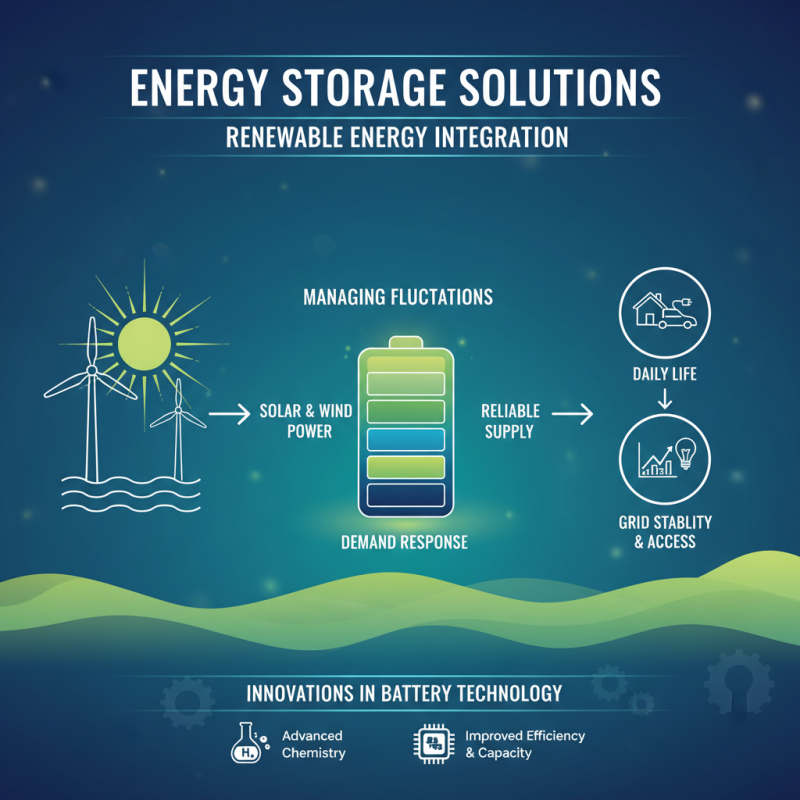
The integration of renewable energy into our daily lives is a pressing challenge. Energy storage solutions are crucial for managing fluctuations in supply and demand. As solar and wind energy become more prevalent, the need for reliable storage systems is increasingly clear. Recent innovations in battery technology are addressing this issue head-on.
One of the most promising developments is the emergence of advanced lithium-sulfur batteries. These batteries can potentially store more energy than traditional lithium-ion systems. Their lighter weight and higher efficiency could transform energy storage. However, manufacturing challenges and lifecycle limitations still need attention. They are not yet a perfect solution.
Another noteworthy innovation is solid-state batteries. They enhance safety and longevity compared to conventional batteries. These batteries reduce the risk of leakage and fire hazards, making them more reliable. Nevertheless, issues like production costs and scalability remain hurdles. While progress is impressive, a complete overhaul of energy storage technology is still a work in progress.
Future Trends in China's Battery Innovation Landscape
China is making remarkable strides in battery innovation. The country focuses on sustainable materials and efficiency. New technologies emphasize recycling and environmental impact. This movement opens new paths for energy storage solutions.
A key trend is solid-state batteries. These batteries promise increased safety and longevity. Researchers are exploring different solid electrolytes. However, challenges remain, such as production costs and scalability. Such hurdles remind us that breakthroughs often come with complexities.
Energy storage is also shifting towards enhancing existing lithium-ion technology. Innovators are examining ways to increase capacity and reduce charging time. While results are promising, some methods require more research. Continuous improvement is vital, as not every innovation leads to success.
China Top New Battery Innovations Revolutionizing Energy Storage
| Innovation Type |
Energy Density (Wh/kg) |
Cycle Life |
Charge Time (minutes) |
Commercialization Status |
| Solid-State Battery |
300 |
1500 |
30 |
Prototype |
| Lithium-Sulfur Battery |
500 |
600 |
50 |
Research |
| Sodium-Ion Battery |
150 |
2000 |
60 |
Pilot |
| Graphene Battery |
400 |
1000 |
15 |
Commercial |
| Hybrid Supercapacitor |
200 |
3000 |
5 |
Commercial |