How to Choose the Best Battery Service for Your Vehicle Needs
When it comes to maintaining your vehicle's performance and longevity, choosing the right battery service is crucial. A reliable battery is the heart of your vehicle, powering everything from the ignition system to electronic components. As cars become more technologically advanced, the demands on battery systems also increase, making it essential to find a service that not only understands these changes but can also provide top-notch solutions tailored to your specific needs.
Selecting the best battery service involves considering several factors, including the types of batteries available, the expertise of the technicians, and the overall reputation of the service provider. Customers must be well-informed about the various battery options on the market and how different climates and driving conditions can affect battery performance. A trustworthy battery service will offer a comprehensive assessment, ensuring that you receive the right battery for your vehicle type and lifestyle.
In this guide, we will discuss the critical aspects to consider when choosing a battery service, empowering you to make an informed decision. Whether you are facing battery issues or simply looking to upgrade, understanding the nuances of battery service will help you keep your vehicle running smoothly and efficiently for years to come.
Understanding Different Types of Vehicle Batteries and Their Functions
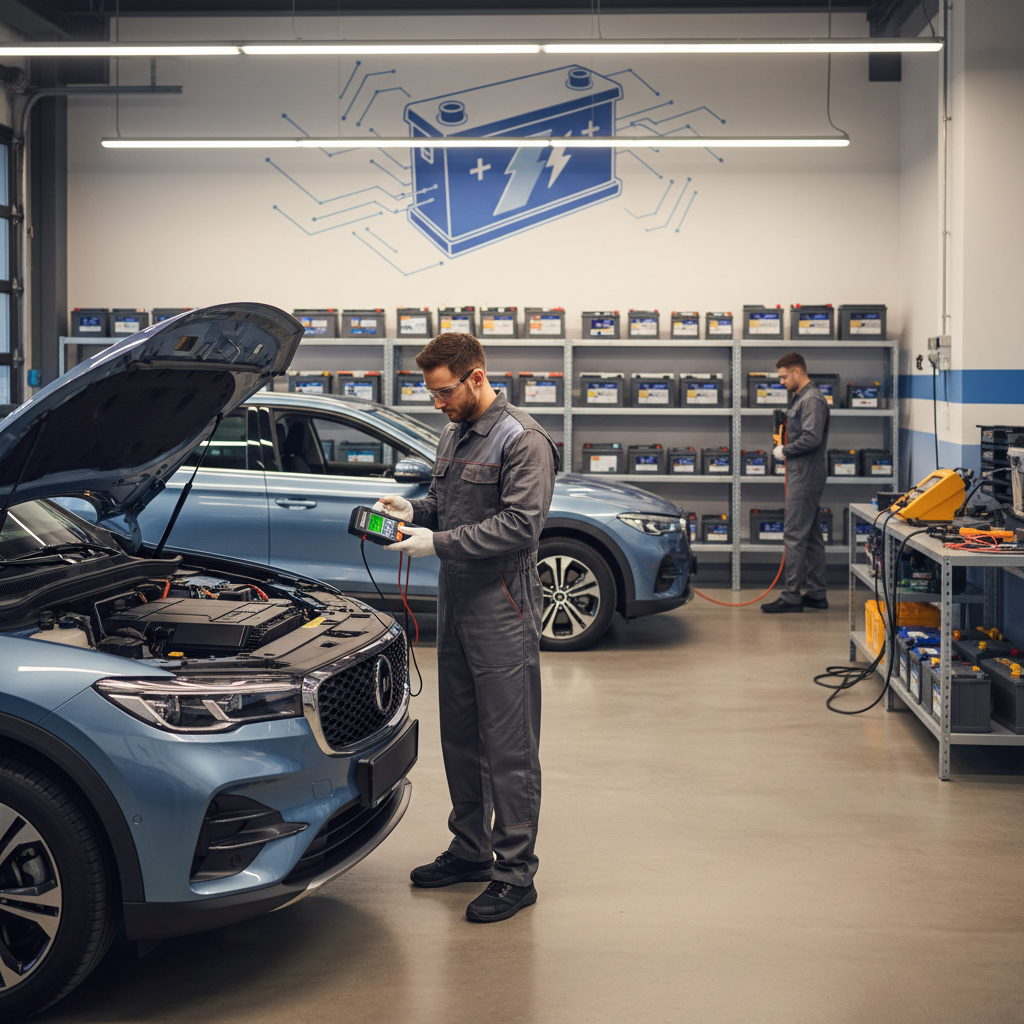
When selecting the best battery service for your vehicle needs, it’s essential to understand the different types of vehicle batteries and their functions. The most common types include lead-acid batteries, lithium-ion batteries, and AGM (Absorbent Glass Mat) batteries.
Lead-acid batteries are often found in traditional gas-powered vehicles; they are reliable and cost-effective but usually have a shorter lifespan. Their function is primarily to provide the necessary power to start the engine and keep the electrical systems functioning.
On the other hand, lithium-ion batteries are becoming increasingly popular, especially in electric and hybrid vehicles due to their lightweight design and higher energy density. They have a longer lifespan compared to lead-acid batteries and offer better performance in extreme weather conditions.
AGM batteries, which are sealed and maintenance-free, combine the benefits of both lead-acid and lithium batteries, making them a strong choice for modern vehicles that require high starting power and deep cycling capabilities. Understanding these distinctions will help you choose the right battery service tailored to your specific vehicle requirements.
Evaluating Battery Lifespan and Performance Metrics
When selecting the best battery service for your vehicle, evaluating battery lifespan and performance metrics is crucial. Battery lifespan refers to the duration a battery can effectively power your vehicle before it needs replacement. In general, a high-quality battery should last between three to five years, depending on various factors such as climate, driving habits, and maintenance. It's important to review the warranty offered, as a longer warranty often indicates the manufacturer's confidence in the battery’s longevity.
Performance metrics are equally important as they indicate how well the battery can perform under different conditions. Key metrics to consider include cold cranking amps (CCA), reserve capacity (RC), and voltage stability. CCA measures the battery's ability to start your vehicle in cold temperatures, while RC indicates how long the battery can run essential systems if the alternator fails. Voltage stability ensures that the battery maintains a consistent power output over time. By carefully considering these metrics, you can choose a battery service that meets your specific vehicle needs and enhances overall performance.
Battery Lifespan and Performance Comparison
This chart compares the average lifespan of different types of vehicle batteries. Lead-Acid batteries typically last around 3 years, while Lithium-Ion batteries can last up to 10 years. Nickel-Metal Hydride and AGM batteries have lifespans of approximately 6 years and 5 years, respectively. Understanding these metrics can help you choose the right battery for your vehicle needs.
Assessing Local Battery Service Providers and Their Reputation
When assessing local battery service providers, it’s crucial to examine their reputation within the community. Start by looking for online reviews and ratings on platforms where customers share their experiences. Pay attention to comments regarding the quality of service, response times, and the professionalism of the staff. A provider with consistently positive feedback is more likely to offer reliable service for your vehicle needs.
Another important factor is the breadth of services offered by these local providers. Some may specialize in certain types of batteries or vehicle models, while others provide a broader range of products and services. Confirm whether they offer warranties on their products and services, as this can be a strong indicator of their confidence in their quality. Moreover, it’s beneficial to inquire about any additional services such as installation or battery recycling programs, which can enhance the overall value of your choice.
How to Choose the Best Battery Service for Your Vehicle Needs - Assessing Local Battery Service Providers and Their Reputation
| Service Provider |
Location |
Average Rating |
Years in Business |
Services Offered |
Average Price |
| Provider A |
City Center |
4.5 |
10 |
Battery Replacement, Testing, Installation |
$120 |
| Provider B |
Northside |
4.0 |
5 |
Battery Testing, Sales |
$95 |
| Provider C |
West End |
4.8 |
15 |
Full Service Battery Replacement |
$130 |
| Provider D |
East Side |
3.8 |
8 |
Battery Installation |
$85 |
| Provider E |
South District |
4.6 |
12 |
Battery Testing, Installation, Emergency Services |
$115 |
Comparing Pricing and Warranty Options for Battery Services
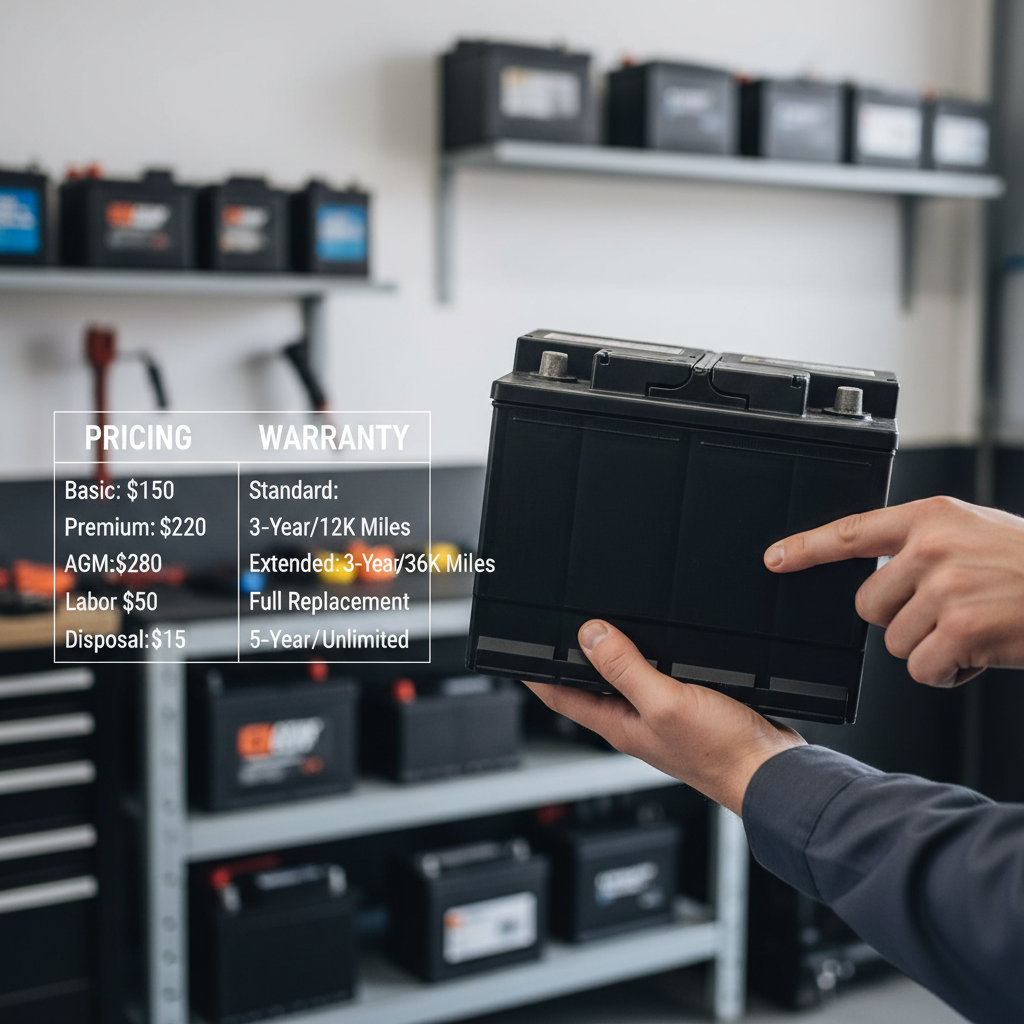
When choosing the best battery service for your vehicle, pricing and warranty options play crucial roles in your decision-making process. Many service providers offer a variety of pricing structures, which can vary significantly based on brand, type of battery, and installation services. It’s essential to compare not only the initial cost of the battery but also any additional fees for labor or disposal. Some establishments may provide competitive prices, while others might charge higher rates for premium service options.
Warranty options are another vital consideration. A good warranty can provide peace of mind, ensuring that you are protected against defects and possible failures. Look for services that offer comprehensive warranties that cover not only the battery itself but also labor costs associated with installation or replacement. Many reputable providers offer warranties ranging from one to three years, while some premium products may come with even longer guarantees. By thoroughly comparing both pricing and warranty options, you can make a more informed choice that fits your vehicle needs and budget.
Identifying Signs Your Vehicle Battery Needs Professional Attention
When it comes to ensuring the longevity and performance of your vehicle, recognizing the signs that your battery needs professional attention is crucial. One of the most common indicators is difficulty starting your vehicle. If you notice that your engine takes longer to turn over or the lights dim momentarily when you attempt to start the car, it’s time to have the battery assessed. Additionally, unexplained electrical issues, such as malfunctioning lights or dashboard alerts, can signal a failing battery that requires immediate attention.
Another sign to watch for is physical deterioration. Look for swelling, leaks, or corrosion around battery terminals. These physical anomalies often indicate that the battery could be close to failure. Furthermore, if your battery is over three years old and you’ve experienced any of the aforementioned issues or irregularities, seeking professional help can save you from being stranded at an inconvenient time. Keeping an eye out for these signs can help you choose the best battery service and ensure that your vehicle remains reliable on the road.