How to Choose the Best Deep Cycle Boat Battery

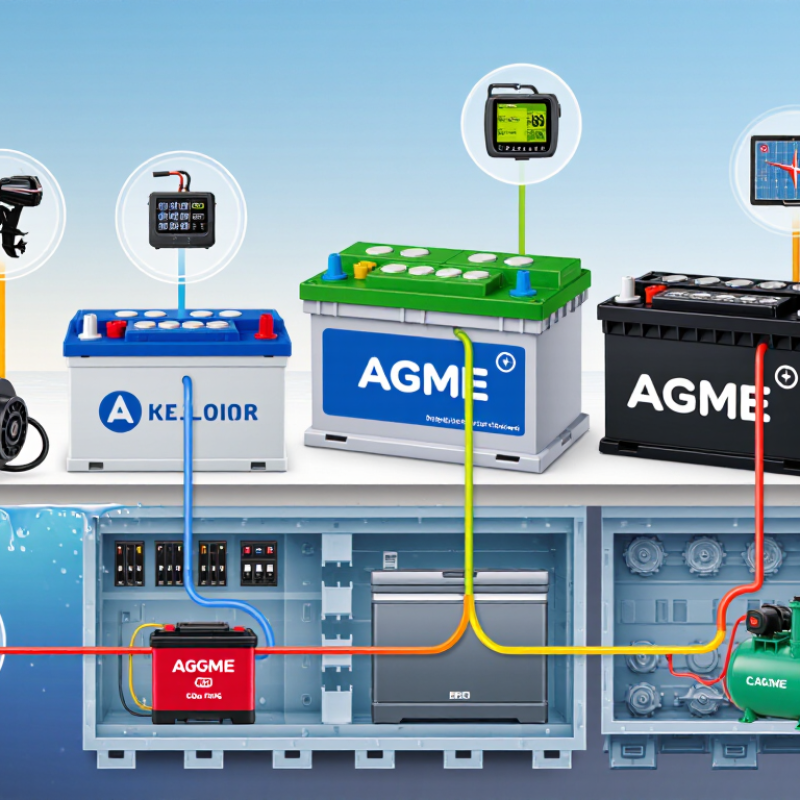
Choosing the right deep cycle boat battery begins with the boat, not the sales label. A trolling motor, chartplotter, refrigerator, and bilge pump create different electrical demands. Battery Council International reports that lead batteries achieve a recycling rate above 99% in North America, yet chemistry still affects weight, charging, maintenance, and replacement cost. Lithium batteries may deliver deeper usable capacity, while AGM batteries offer sealed construction and simpler installation.

Nigel Calder, author of Boatowner’s Mechanical and Electrical Manual, has said, “The battery is the heart of a boat’s electrical system.” That principle remains practical. A battery sitting beneath a damp cockpit locker faces vibration, heat, and occasional saltwater exposure. Its reserve capacity must match real cruising habits, not an optimistic brochure estimate. DNV’s Maritime Forecast to 2050 also identifies electrification and energy efficiency as important forces across marine transport. Recreational boats are smaller, but the lesson still applies.

Start with amp-hours, usable depth of discharge, charging compatibility, cold-cranking needs, and physical dimensions. Check the alternator, shore charger, solar controller, and battery monitor together. One overlooked setting can shorten battery life. It is easy to focus on maximum capacity and forget installation quality. That mistake is common. A cheaper battery can become expensive after repeated deep discharges, weak terminals, or poor ventilation. The best choice is therefore a balanced one: suitable chemistry, dependable protection, verified specifications, and enough reserve for an inconvenient night away from the dock.
How to Choose the Best Deep Cycle Boat Battery

Understanding Deep Cycle Boat Battery Functions and Applications

A deep cycle boat battery is designed to deliver steady power over extended periods, rather than a brief burst for engine starting. It can support trolling motors, fish finders, navigation lights, radios, pumps, and onboard refrigerators. During operation, the battery releases stored energy gradually. Its usable capacity depends on amp-hour rating, discharge depth, temperature, and wiring quality. Bigger is not always better.

In practical use, I check the boat’s electrical load before choosing a battery. A motor drawing 40 amps can consume 40 amp-hours in one hour under ideal conditions. Real water conditions are less predictable. Wind, current, and repeated acceleration increase consumption. Leave a safety margin, because reaching zero charge can shorten battery life. That matters.

Battery chemistry changes its function and maintenance needs. Lead-acid batteries are often heavier and may require ventilation, secure mounting, and regular inspection. Lithium-based batteries are lighter, but they need compatible charging equipment and protective management systems. I once underestimated cold-weather capacity loss and planned a trip too tightly. The lesson was uncomfortable but useful. Check the charger, terminals, cable size, and battery compartment before installation. Corrosion, loose connections, or undersized cables can waste energy and create heat. Test the system under realistic loads, not only while the boat sits at the dock.

Assessing Your Boat’s Power Demands and Battery Capacity

How to Choose the Best Deep Cycle Boat Battery

Assessing your boat’s power demands starts with a real inventory, not guesswork. List every load, including the chartplotter, VHF radio, bilge pump, lights, refrigerator, and trolling motor. Record each device’s wattage and expected daily runtime. A 60-watt refrigerator running for eight hours uses about 480 watt-hours. At 12 volts, that equals roughly 40 amp-hours before losses. Add a practical reserve of 20–30 percent. Small errors become expensive offshore.

The National Marine Manufacturers Association’s 2024 Recreational Boating Statistical Abstract counted more than 11 million registered recreational boats in the United States. That scale explains why battery selection cannot follow one universal formula. For a more technical check, ABYC E-11 guidance emphasizes properly sized conductors, overcurrent protection, and secure battery installation. A battery’s advertised capacity also needs careful reading. Lead-acid capacity is commonly measured at a 20-hour rate, while faster discharge reduces usable output through the Peukert effect. Lithium systems behave differently, but their usable capacity still depends on temperature, charging limits, and battery-management controls.

Use this calculation: required amp-hours equals total watts multiplied by hours, divided by system voltage. Then compare that result with usable, rather than nominal, capacity. A 100Ah battery may not safely provide 100Ah in daily service. Check the alternator, charger, cable length, and starting battery separately. Do not assume the largest battery is the best choice. I have seen capacity estimates fail because a rarely used pump was ignored, while a constantly running refrigerator was underestimated. Recheck your figures after a full day on the water.

How to Choose the Best Deep Cycle Boat Battery

Assessing Your Boat’s Power Demands and Battery Capacity

This representative 12-volt load profile uses typical marine equipment ratings and daily operating times. The estimated daily consumption is approximately 954 Wh, or about 80 Ah at 12 volts. Because lead-acid batteries are commonly limited to about 50% usable capacity, a battery of approximately 160 Ah is suitable for one day of autonomy. A lithium battery with about 80% usable capacity would require approximately 100 Ah. Actual sizing should include weather, cruising duration, charging sources, and a safety reserve.

Comparing Battery Chemistries, Sizes, and Performance Ratings

Choosing the best deep cycle boat battery starts with chemistry, not advertising claims. Flooded lead-acid batteries remain affordable and tolerate basic charging systems. However, they need ventilation, regular inspection, and careful water maintenance. AGM batteries are sealed, cleaner, and more resistant to vibration. Gel batteries can perform smoothly, but they require precise charging voltages. Lithium iron phosphate batteries offer low weight and strong usable capacity. They also need a compatible charger and battery management system. The wrong charging profile can shorten their service life.

Size means more than physical dimensions. Measure the battery compartment, terminal position, and cable reach before buying. Then compare amp-hours, reserve capacity, and usable energy.

A 100Ah lithium battery may deliver more practical energy than a 100Ah lead-acid battery because it accepts deeper discharge. Yet cold temperatures can reduce lithium performance. That detail is easy to miss.

I have seen owners choose the largest battery available, only to overload the tray or charging system. Bigger is not automatically better.

Tips: Estimate daily loads from your fish finder, lights, pumps, and trolling motor. Add a safety margin of about 20 percent. Check continuous current ratings, not only peak numbers. For starting engines, review cold cranking amps separately. For house loads, prioritize cycle life and usable capacity. Keep terminals dry and firmly tightened. Recheck your calculations after a full day on the water; real usage often differs from the original estimate.

Checking Installation Requirements, Compatibility, and Safety Features

Choosing the best deep cycle boat battery starts with the boat, not the label. Measure the battery tray, terminal position, and cable reach before shopping. A battery may fit the tray but still block a hatch or strain a connection. Record the boat’s voltage and the motor’s recommended capacity. Then check the charger’s output profile. Mismatched settings can shorten battery life or create excessive heat. Keep the measurements practical.

Compatibility also depends on daily use. Trolling motors, fish finders, pumps, and navigation lights draw power differently. Estimate amp-hour demand for a typical trip, then add a sensible reserve. Do not rely only on advertised runtime. Wind, current, cold water, and battery age affect performance. Choosing by weight alone is a common mistake. I would not make that choice twice.

Safety features deserve close inspection. Look for secure terminals, suitable ventilation, vibration resistance, and clear charging instructions. Install the battery firmly and protect terminals from accidental contact. Use correctly rated cables, fuses, and disconnects. Never place tools across the terminals. Test voltage and connections before leaving the dock. A small oversight can become serious. Recheck the setup after the first outing. Salt spray exposes weaknesses quickly.

How to Choose the Best Deep Cycle Boat Battery - Checking Installation Requirements, Compatibility, and Safety Features

Selection Dimension What to Check Typical Requirement or Data Why It Matters
Nominal Voltage Match the battery voltage to the boat's electrical system. Most small and medium boats use a 12-volt system; larger systems may use 24 or 36 volts through series connections. A mismatched voltage can damage equipment or prevent the motor and electronics from operating correctly.
Usable Capacity Estimate daily energy use from lights, pumps, electronics, refrigerators, and other loads. Capacity is commonly listed in amp-hours (Ah). Select enough capacity for the planned runtime plus a reserve margin. Actual runtime depends on load, temperature, battery age, discharge limit, and wiring losses.
Recommended Depth of Discharge Confirm how deeply the battery can be discharged during normal use. Flooded lead-acid and AGM batteries generally provide longer service when routinely limited to about 50% depth of discharge; lithium iron phosphate batteries commonly permit approximately 80% to 90% when approved by the manufacturer. Using only the recommended portion of capacity helps reduce premature aging.
Battery Chemistry Choose between flooded lead-acid, AGM, gel, and lithium iron phosphate according to the boat's environment and charging system. Flooded batteries need ventilation and maintenance; AGM and gel batteries are sealed and low-maintenance; lithium batteries are lightweight but require compatible charging controls and protection electronics. Chemistry affects weight, charging behavior, maintenance, installation position, and total cost.
Physical Dimensions Measure the battery compartment length, width, and height, including cable clearance. Allow space for terminals, hold-down hardware, ventilation, inspection, and removal. Do not rely only on the battery's nominal group size. A battery that fits the box but blocks terminals or cannot be secured is unsafe.
Weight and Load Support Check the battery weight against the tray, compartment, and vessel structure. Lithium batteries are often substantially lighter than lead-acid batteries with similar usable energy, but the mounting system must support the selected unit. Excess weight can affect trim, handling, and the integrity of the mounting location.
Charging System Compatibility Verify compatibility with the alternator, shore charger, solar controller, and battery-to-battery charger. Charging voltage, charging stages, maximum current, and temperature limits must match the battery chemistry. An unsuitable charger can cause undercharging, overheating, reduced capacity, or battery damage.
Continuous Discharge Current Add the expected continuous current draw of all connected equipment. The battery's continuous discharge rating should exceed the normal combined load, with additional allowance for startup surges where applicable. Insufficient current capability can cause voltage drop, shutdowns, or overheating.
Reserve Capacity Review reserve capacity ratings when provided and compare them with expected emergency loads. Reserve capacity is commonly expressed as the number of minutes a battery can deliver a specified current before reaching a stated voltage. It provides a useful reference for operating essential equipment if charging is unavailable.
Ventilation Requirements Determine whether the battery releases hydrogen or other gases during charging. Flooded lead-acid batteries require an appropriately ventilated compartment; sealed batteries still require installation according to their instructions. Hydrogen accumulation can create an explosion hazard near sparks or ignition sources.
Mounting and Restraint Use a corrosion-resistant tray, strap, or hold-down system designed for marine vibration. The battery should remain secure during normal movement and be protected from shifting, impact, and water exposure. A loose battery can damage terminals, cables, the compartment, or the vessel's electrical system.
Terminal and Cable Compatibility Check terminal type, polarity, cable length, cable gauge, and connection protection. Positive conductors should be properly fused or circuit-protected close to the battery, using marine-grade cable and terminals where required. Correct cable sizing and overcurrent protection reduce voltage drop, fire risk, and accidental short circuits.
Temperature Operating Range Review charging and discharging limits for the expected climate. Lithium batteries may require low-temperature charge protection; cold conditions can reduce the available capacity of lead-acid batteries. Temperature outside the approved range can reduce performance or create a safety risk.
Built-In Protection Look for protection appropriate to the battery chemistry and intended application. Useful features may include overcharge protection, over-discharge protection, short-circuit protection, thermal monitoring, and cell balancing. Protection systems help prevent damage caused by abnormal charging, wiring faults, or excessive temperature.
Water and Corrosion Exposure Select an installation location protected from standing water, spray, and direct contamination. Use protected terminals, corrosion-resistant hardware, and sealed connections suitable for the marine environment. Moisture and salt can increase resistance, corrode connections, and create leakage paths.
Maintenance Needs Consider how frequently the battery can be inspected and serviced. Flooded batteries may require electrolyte-level checks and terminal cleaning; AGM, gel, and lithium batteries generally require less routine maintenance. The correct maintenance level improves reliability and helps prevent avoidable failures.
Monitoring and State of Charge Confirm whether the vessel has a battery monitor or requires one to be installed. A shunt-based monitor can track amp-hours, voltage, current, and estimated state of charge more accurately than voltage alone. Accurate monitoring helps avoid excessive discharge and improves energy planning.
Safety and Certification Check applicable marine installation rules, electrical standards, and safety documentation. Follow the battery and vessel manufacturer's instructions, use suitable fuses and disconnects, and verify that the installation meets local requirements. Compliance reduces the risk of fire, electric shock, equipment damage, and insurance or inspection problems.
Service Life and Total Cost Compare expected cycle life, maintenance, replacement interval, charging equipment, and installation costs. A higher purchase price may be offset by lower maintenance, greater usable capacity, lighter weight, or a longer cycle life. Total ownership cost is more useful than purchase price alone when selecting a long-term boat battery.

Note: Battery ratings, charging limits, installation clearances, and safety requirements vary by battery design and vessel configuration. Always follow the latest battery instructions and applicable marine electrical regulations.

Balancing Battery Lifespan, Maintenance Needs, and Total Cost

Choosing a deep cycle boat battery begins with more than its advertised capacity. Think carefully. A weekend angler may need fewer cycles than a liveaboard owner. In practical use, repeated deep discharges can shorten battery life, especially when charging is delayed. A battery regularly discharged to 50% may last longer than one pushed nearly empty.

Maintenance strongly affects total cost. Flooded batteries often cost less initially, but they may need water checks, terminal cleaning, and careful ventilation. Sealed designs reduce routine work, but they usually cost more upfront and still require correct charging. Convenience has a price. Lighter lithium-based options can reduce weight and deliver more usable energy, yet their charger and installation requirements may increase the initial bill. I once treated a low purchase price as real savings; replacement costs changed that calculation.

Calculate usable energy, not just the printed amp-hour rating. A 100Ah battery may provide less practical capacity when frequent deep discharges are avoided. Include the battery, charger, cables, storage conditions, and likely replacement interval. Your habits matter. Temperature, long idle periods, and poor charging can quietly increase ownership costs. Keep a simple log of charge levels and runtime for one season. It may reveal that your “best” battery needs are different from your first estimate.