Why Deep Cycle Batteries Are Essential for Renewable Energy Systems
The growing reliance on renewable energy sources has prompted an increasing demand for reliable energy storage solutions. Among these, deep cycle batteries stand out as essential components for effectively harnessing and utilizing renewable energy. As emphasized by Dr. Emily Carter, a leading expert in energy storage systems, "Deep cycle batteries are the backbone of renewable energy applications, ensuring that energy can be stored and used flexibly." These batteries are designed to provide sustained power over extended periods and are critical for systems that require regular charging and discharging cycles.
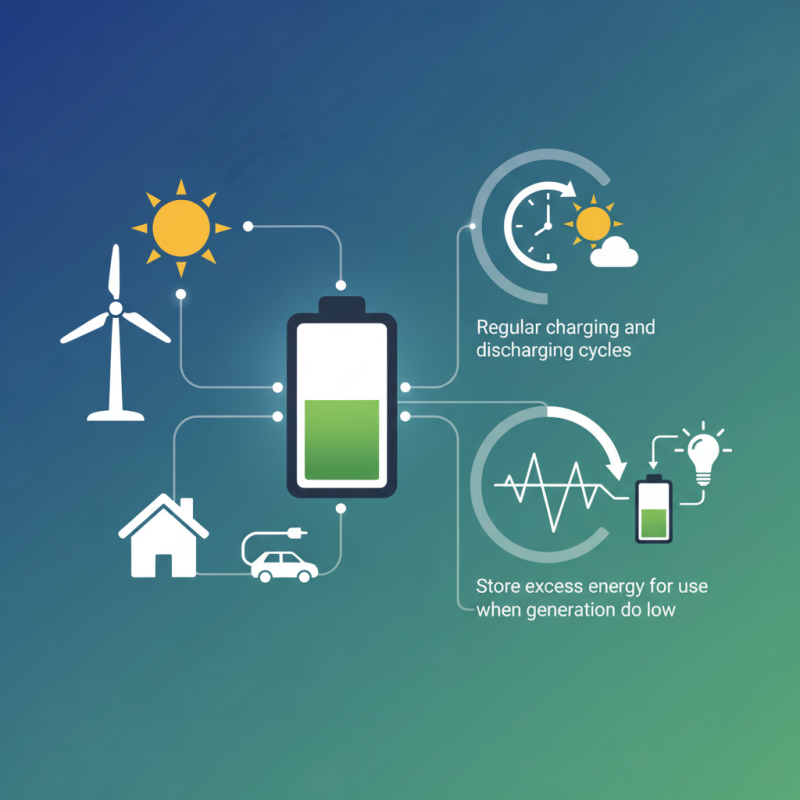
In renewable energy systems, such as solar and wind installations, deep cycle batteries enable efficient energy management, allowing users to store excess energy generated during peak production times for use when generation is low. This capability not only optimizes energy use but also enhances the reliability and stability of the overall energy system. As the demand for green energy solutions continues to rise, understanding the critical role of deep cycle batteries in these systems becomes increasingly important. They not only support the transition to a sustainable future but also contribute to energy independence and resilience against fluctuations in power supply.
Understanding Deep Cycle Batteries and Their Functionality
Deep cycle batteries play a crucial role in renewable energy systems, primarily due to their ability to provide a stable source of power over an extended period. Unlike standard batteries, which deliver short bursts of energy, deep cycle batteries are designed to be discharged and recharged repeatedly. This characteristic makes them essential for applications such as solar power systems and wind energy installations, where energy generation can fluctuate depending on environmental conditions.
According to a report by the U.S. Department of Energy, integrating deep cycle batteries with renewable energy sources can enhance system reliability and efficiency by up to 30%, ensuring a consistent power supply even during periods of low generation.
The functionality of deep cycle batteries is largely attributed to their construction and chemical composition. These batteries typically utilize lead-acid or lithium technology. Lead-acid deep cycle batteries are preferred for their low cost and robustness, while lithium-ion batteries are increasingly sought after for their higher energy density and longer life cycles.
A study by the National Renewable Energy Laboratory indicates that lithium-ion batteries can last up to 10 years longer than lead-acid alternatives, providing a superior return on investment for renewable energy projects. Therefore, understanding the differences and functionalities of deep cycle batteries is essential for optimizing renewable energy systems and maximizing their potential.
The Importance of Energy Storage in Renewable Energy Systems
Energy storage plays a crucial role in the efficiency and reliability of renewable energy systems. As renewable sources such as solar and wind are inherently intermittent, they can generate energy only when conditions are favorable. This fluctuation necessitates a robust energy storage solution to ensure a stable power supply. Deep cycle batteries, designed for sustained energy discharge, are essential for capturing excess energy and releasing it when demand peaks or generation is low.
One tip for optimizing the use of deep cycle batteries in renewable energy systems is to properly size your battery bank according to your energy needs and generation capabilities. This ensures that your system can store enough energy to cover usage during downtimes while avoiding excessive cycling, which can shorten battery lifespan. Additionally, regularly monitoring the state of charge and implementing smart charging practices can enhance efficiency and longevity.
Another important consideration is the integration of energy management systems. These systems can optimize the charge and discharge cycles based on real-time data, helping to maximize the benefits of your renewable energy setup. Investing in a quality monitoring solution can provide insights that lead to better energy use strategies, balancing the load, and minimizing reliance on grid power during peak times.
Advantages of Deep Cycle Batteries in Sustainable Energy Solutions
Deep cycle batteries play a crucial role in renewable energy systems, providing essential energy storage solutions that support sustainable practices. Unlike traditional batteries, deep cycle batteries are designed to be regularly deeply discharged and recharged, making them ideal for solar, wind, and other renewable energy applications. Their ability to deliver consistent power over extended periods ensures that renewable sources can effectively meet energy demands even during periods of low production.
One of the primary advantages of deep cycle batteries in sustainable energy solutions is their longevity. These batteries are built to withstand frequent cycling, which translates to a longer lifespan compared to conventional batteries. This durability not only reduces the need for frequent replacements but also signifies lower long-term costs for users. Furthermore, deep cycle batteries can be customized in terms of capacity and configuration, allowing them to perfectly match the energy requirements of various setups, from residential systems to large-scale installations.
Additionally, deep cycle batteries enhance the reliability of renewable energy systems. By providing a stable backup power source, they ensure seamless energy supply during outages or fluctuations in renewable energy generation. This reliability encourages greater adoption of renewable technologies, as users can maintain confidence that their energy needs will be met. Thus, deep cycle batteries are integral to not only improving the efficiency of renewable energy systems but also fostering a more sustainable energy future.
Why Deep Cycle Batteries Are Essential for Renewable Energy Systems
| Feature |
Description |
Advantages |
| Cycle Life |
Deep cycle batteries are designed to be discharged more deeply than standard batteries. |
Longer lifespan compared to regular batteries; up to 2000 cycles. |
| Energy Storage |
They provide a reliable method to store energy generated from renewable sources. |
Effective for solar and wind energy systems; helps in energy management。 |
| Deep Discharge Capability |
Capable of providing a consistent power output over a prolonged period. |
Ensures stable energy supply during peak demand or during low generation periods. |
| Maintenance |
Generally low maintenance, with some requiring periodic watering. |
Cost-effective in the long run due to low upkeep needs. |
| Environmental Impact |
Help reduce reliance on fossil fuels and lower carbon emissions. |
Promotes sustainability in energy consumption and storage. |
Comparing Deep Cycle Batteries to Standard Batteries for Renewables
When it comes to renewable energy systems, the choice of battery plays a crucial role in their efficiency and longevity. Deep cycle batteries are specifically designed for sustained energy output over long periods, making them fundamentally different from standard batteries, which are often used for short bursts of power. According to the Battery University, deep cycle batteries can be discharged to 20-30% of their total capacity without significant damage, while standard batteries should not be discharged below 50%. This makes deep cycle batteries more suitable for applications in solar energy storage, wind energy systems, and other renewable setups where energy needs to be stored and released gradually.
Moreover, a report by the U.S. Department of Energy indicates that deep cycle batteries have a longer lifespan when subjected to repeated charging and discharging cycles—typically lasting between 4 to 15 years, depending on usage and maintenance. In comparison, standard batteries often wear out much faster, making them an impractical choice for renewable energy applications. With the growing emphasis on sustainability and energy efficiency, transitioning to deep cycle batteries not only enhances the performance of renewable energy systems but also provides a more reliable and cost-effective long-term solution for energy storage.
Comparison of Deep Cycle Batteries and Standard Batteries for Renewable Energy Systems
Best Practices for Maintaining Deep Cycle Batteries in Energy Systems
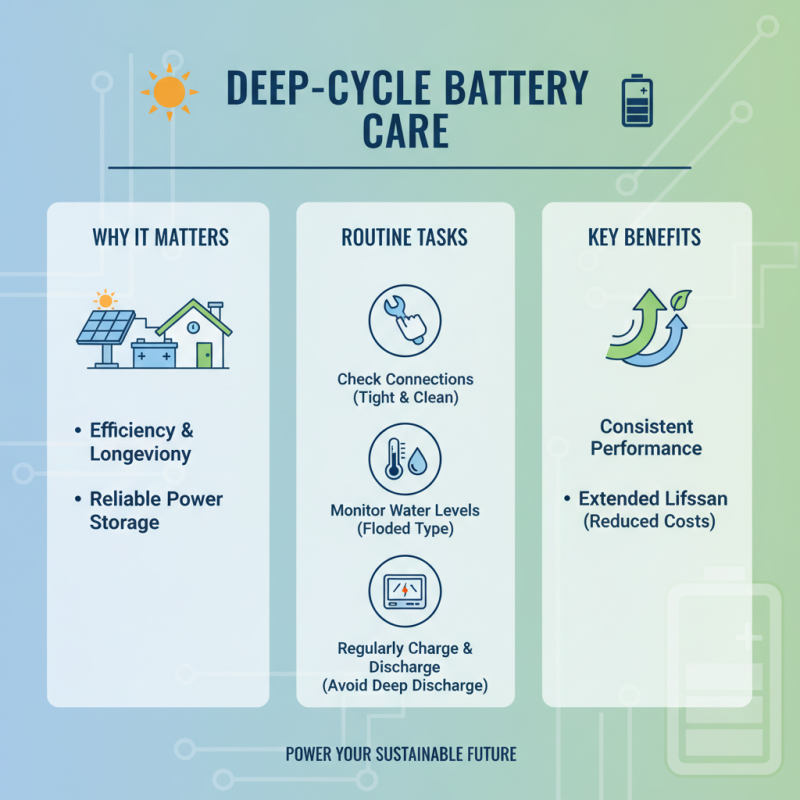
Maintaining deep cycle batteries is crucial for the efficiency and longevity of renewable energy systems. These batteries are designed to be regularly discharged and recharged, making them ideal for applications like solar power storage. To ensure they continue to perform optimally, routine maintenance is essential.
One key practice is to check the battery's water levels regularly. Deep cycle batteries often require distilled water to maintain the electrolyte levels. Insufficient water can lead to sulfation, which decreases the battery's capacity. Additionally, keep the terminals clean and free of corrosion. A simple mixture of baking soda and water can effectively remove any build-up, ensuring a strong connection and preventing unnecessary energy loss.
Another important tip is to monitor the state of charge and avoid deep discharges. Keeping the battery charged between 20% and 80% can significantly extend its life. Use a quality battery monitor to keep track of charge levels, and set alarms to prompt recharging if the battery falls below a certain threshold. By following these best practices, you can enhance the performance and lifespan of your deep cycle batteries, ultimately maximizing the efficiency of your renewable energy system.