What is a Deep Cycle Battery and How Does It Work
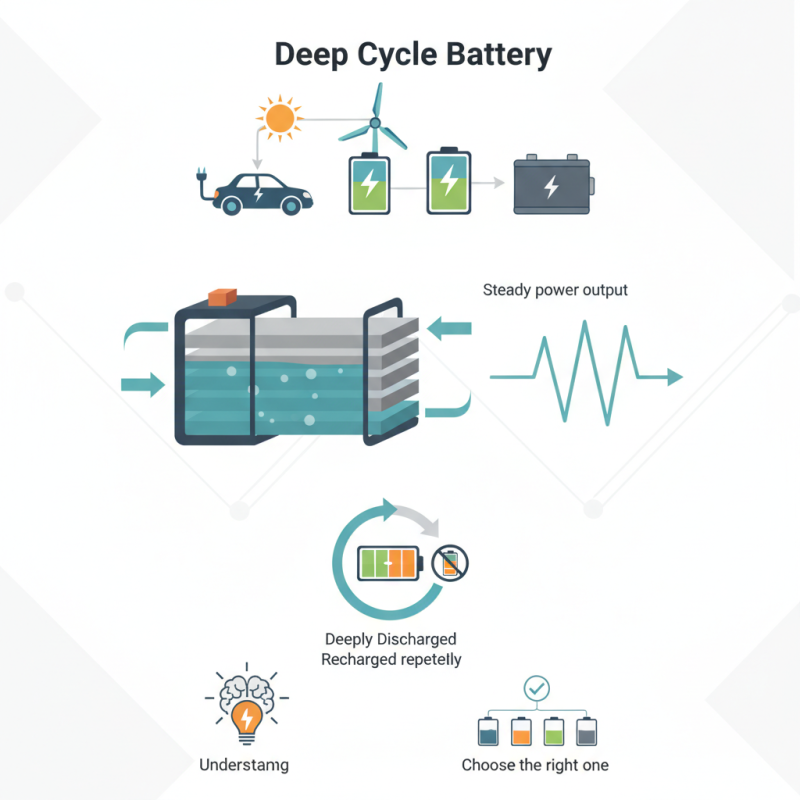
Deep cycle batteries are essential for many applications. They store and release energy, making them vital for renewable energy systems and electric vehicles. Unlike regular batteries, deep cycle batteries provide a steady amount of power over a longer period. This unique feature allows them to be discharged deeply and recharged multiple times without damage.
Understanding how deep cycle batteries function helps in choosing the right ones for specific needs. These batteries consist of thicker plates and a special electrolyte solution. This design allows them to endure repeated cycling. Often, people misunderstand battery types. They assume all batteries function similarly, but that’s not the case.
The importance of selecting the correct deep cycle battery cannot be overstated. With so many options available, it can be overwhelming. Not all batteries perform as expected. Some may degrade quickly or fail to deliver the required power. Reflecting on these aspects can lead to better choices. Reliable information also becomes crucial in navigating this complex landscape.
What is a Deep Cycle Battery?
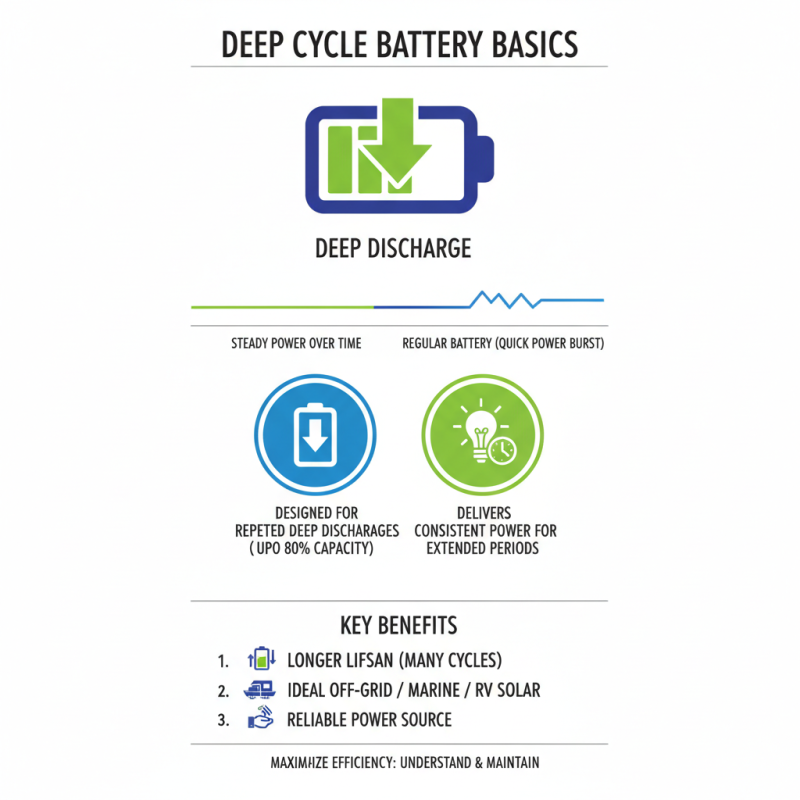
A deep cycle battery is designed for repetitive deep discharges and recharges. Unlike regular batteries, they deliver a steady amount of power over long periods. These batteries are commonly used in applications like solar energy systems, electric vehicles, and marine setups.
According to industry reports, deep cycle batteries can last between 500 to 2,000 cycles, depending on their chemistry and usage. Lead-acid deep cycle batteries are the most popular choice, but lithium-ion batteries are gaining traction due to their longer lifespan and efficiency. Many users still find lithium batteries cost-prohibitive despite their advantages.
**Tips:** Always ensure your battery charger matches your battery type. Misusing chargers can shorten battery life. Regularly check your battery’s state of charge to avoid deep discharges. Deep discharges can damage the battery, leading to reduced performance. Remember, not all deep cycle batteries perform the same under extreme conditions. Sometimes, using a basic lead-acid battery can be a smart choice if your application requires less energy management.
Deep Cycle Battery Performance Comparison
Key Characteristics of Deep Cycle Batteries
Deep cycle batteries are designed for sustained energy discharge. They can handle repeated discharge cycles, making them suitable for various applications. Unlike traditional batteries, these can be deeply discharged without damage. This durability is crucial for renewable energy systems and recreational vehicles.
One key characteristic of deep cycle batteries is their capacity to provide a steady voltage over a long period. They typically have a thicker plate and specialized chemistry, which aids in this function. Another aspect is their ability to recharge fully after being depleted. However, many users overlook their specific charging needs. Using improper chargers can shorten battery life dramatically.
Temperature also influences battery performance. High temperatures can increase discharge rates, while low temperatures can reduce efficiency. It's essential to monitor these conditions. Maintenance plays a significant role too. Regular checks ensure optimal operation and longevity. Neglecting these aspects can lead to unexpected failures.
The Working Principle of Deep Cycle Batteries
Deep cycle batteries are designed for deep discharges. They provide a steady amount of power over a longer period. This feature differentiates them from regular batteries. Understanding their working principle helps users maximize their efficiency.
The construction of a deep cycle battery includes thicker plates compared to standard batteries. Thicker plates hold more active material. As a result, they can handle deeper discharges without damage. According to industry reports, deep cycle batteries can typically undergo 300-500 charging cycles. This depends on usage and maintenance. Proper management of charge cycles can enhance battery lifespan significantly. It's crucial to monitor voltage levels regularly. Slight variations can indicate underlying issues.
Tips: Use a battery monitor. This tool provides real-time data on battery health. Check water levels in lead-acid batteries as well.
Over time, even deep cycle batteries suffer wear. Users often neglect maintenance, leading to reduced performance. Environmental conditions also impact lifespan. Extreme temperatures can affect chemical reactions inside the battery. Thus, ensure proper storage conditions for optimal performance.
Applications of Deep Cycle Batteries in Daily Life
Deep cycle batteries are vital in many areas of daily life. They provide reliable power for applications like solar energy systems and electric vehicles. This type of battery allows for deep discharging without damage. This feature makes them perfect for renewable energy sources.
In homes, deep cycle batteries store energy from solar panels. When the sun sets, households can still access power. This reduces reliance on the grid. They are also used in recreational vehicles and boats. Imagine powering your weekend getaway with the silent energy of a battery. It adds convenience to outdoor adventures.
However, deep cycle batteries require regular maintenance. Water levels must be checked, and terminals cleaned. Users sometimes overlook these tasks. Failing to maintain batteries can lead to reduced efficiency. It’s crucial to understand that proper care extends battery lifespan. Balancing convenience and responsibility is key for optimal performance.
What is a Deep Cycle Battery and How Does It Work - Applications of Deep Cycle Batteries in Daily Life
| Application |
Typical Voltage |
Capacity Range (Ah) |
Common Uses |
| Solar Energy Systems |
12V |
100 - 200 Ah |
Energy storage for off-grid and grid-tied systems |
| Recreational Vehicles (RVs) |
12V |
50 - 600 Ah |
Powering appliances and lights |
| Electric Vehicles |
48V - 72V |
100 - 300 Ah |
Propelling electric cars and scooters |
| Marine Applications |
12V |
75 - 200 Ah |
Starting and powering onboard equipment |
| Off-Grid Power Systems |
12V - 48V |
200 - 400 Ah |
Storing energy from renewable sources |
Maintenance Tips for Extending Deep Cycle Battery Life
Deep cycle batteries are essential for many applications. Proper maintenance is crucial to extend their lifespan. Here are some practical tips to keep your battery functioning well.
Keep the battery clean. Dirt and corrosion can lead to poor performance. Regularly check the terminals. Use a mixture of baking soda and water to wipe away any buildup. This simple step can make a significant difference.
Check the water levels regularly. Deep cycle batteries need proper electrolyte levels. If they are too low, it can cause damage. Always use distilled water when topping them off. Avoid overfilling; it can create leaks.
Lastly, store the battery properly. If you're not using it, keep it in a cool, dry place. Extreme temperatures can shorten its life. A regularly charged battery will also perform better over time. Remember, neglecting these simple tasks can lead to expensive replacements.