10 Essential Tips for Choosing Automotive Batteries for Your Vehicle?
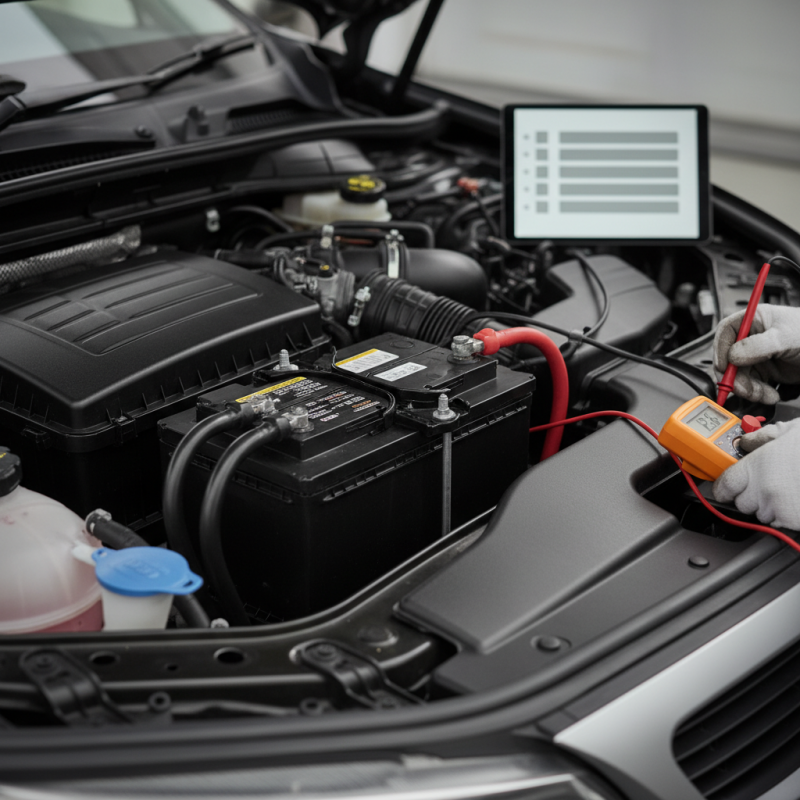
Choosing the right automotive batteries is crucial for your vehicle's performance. A reliable battery ensures smooth starts and efficient power for your car's systems. As technology evolves, options grow, making decisions more complex.
When selecting automotive batteries, consider factors like size, capacity, and weather conditions. Each vehicle may require different specifications. Look at the warranty and lifespan as well. Sometimes, the most advertised brands aren't the best for your needs. Read reviews and seek advice from mechanics.
Many overlook the importance of maintenance too. Regular checks can prolong battery life. Ignoring warning signs might lead to unexpected breakdowns. Balancing cost and quality is challenging but necessary, provoking reflection on your vehicle's needs.
Understanding Battery Types: Lead-Acid vs. Lithium-Ion in Vehicles
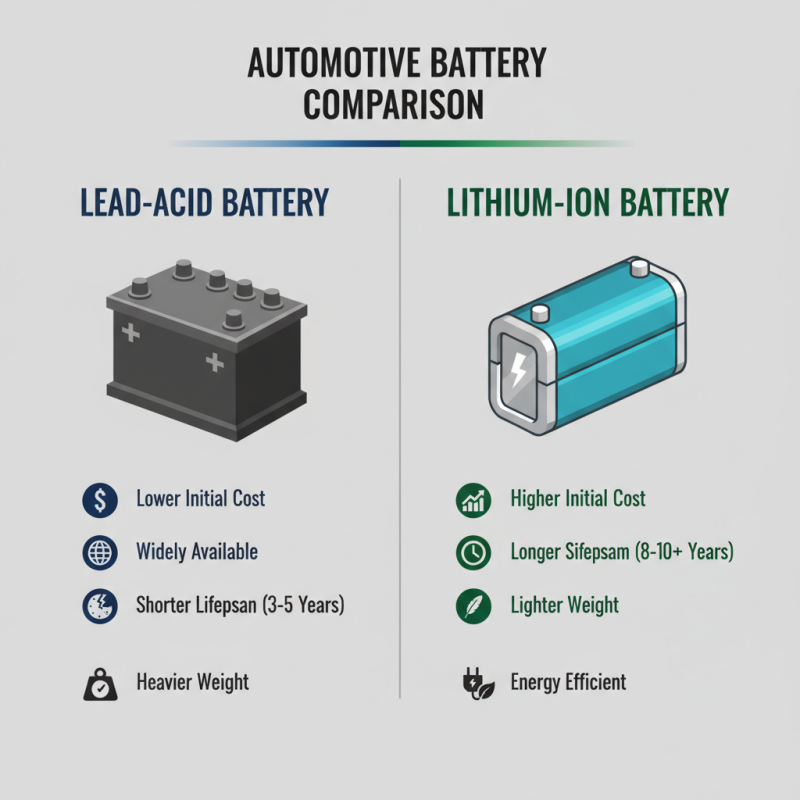
When selecting an automotive battery, understanding the differences between lead-acid and lithium-ion types is crucial. Lead-acid batteries have been the traditional choice for decades. They are cost-effective and widely available. However, they come with limitations. A lead-acid battery typically weighs more and has a shorter lifespan, averaging about three to five years. This can lead to additional expenses over time.
On the other hand, lithium-ion batteries are gaining popularity in the automotive sector. They are lighter, more energy-dense, and last longer than their lead-acid counterparts, often exceeding ten years of service life. According to industry reports, lithium-ion batteries can enhance a vehicle's efficiency by up to 30%. However, their initial cost is higher, which can be a concern for budget-conscious consumers. Also, recycling lithium-ion batteries poses challenges that need addressing.
Choosing the right battery involves weighing these factors. The charging speed of lithium-ion batteries is impressive, but they require specialized chargers. Meanwhile, lead-acid batteries are more forgiving in this regard. Still, the performance drops off more significantly in cold weather. Understanding these nuances is vital for making an informed decision. Vehicle owners should consider their driving habits, climate, and financial situation when choosing between these battery types.
Factors Affecting Battery Life: Temperature, Usage Patterns, and Maintenance
When selecting an automotive battery, understanding factors that influence battery life is crucial. Temperature plays a significant role. Extreme heat can evaporate battery fluid. Alternatively, cold temperatures can slow down the chemical reactions within the battery, reducing its efficiency. According to the Battery Council International, battery capacity can drop by up to 20% in freezing conditions.
Usage patterns are equally important. Frequent short trips can prevent a battery from fully charging. This leads to a condition known as sulfation, causing permanent damage over time. A study by the Electric Power Research Institute states that batteries subjected to harsh usage patterns can fail 30% sooner than those used under optimal conditions. Regular maintenance can further impact battery longevity. Neglecting simple tasks, such as cleaning terminals or checking fluid levels, can significantly reduce a battery’s lifespan.
Each of these factors is interlinked. A battery's life can diminish rapidly if neglected. Drivers must consider these aspects carefully. Awareness of the environment and driving habits can lead to more informed choices. Battery longevity isn't just about selection; it demands ongoing attention and care.
10 Essential Tips for Choosing Automotive Batteries for Your Vehicle
| Factor |
Description |
Impact on Battery Life |
| Temperature |
Extreme temperatures can affect battery performance and lifespan. |
High heat can shorten life, cold can reduce capacity. |
| Usage Patterns |
Frequent short trips may not allow the battery to fully recharge. |
Can lead to sulfation and reduced capacity. |
| Maintenance |
Regular checks and cleaning of terminals can enhance battery life. |
Good maintenance can prevent premature failure. |
| Battery Type |
Different applications require different battery types (e.g., lead-acid, AGM, lithium). |
Choosing the right type is crucial for performance. |
| Capacity |
Measured in Ah (ampere-hours), indicates how much current a battery can provide. |
Insufficient capacity can lead to battery strain and reduced life. |
| Charge Cycles |
Refers to the number of complete discharge and recharge cycles. |
More cycles can lead to degradation over time. |
| Age |
Batteries can lose their effectiveness over time, even if unused. |
Older batteries are more prone to failure. |
| Vibration Resistance |
Some batteries are designed to withstand higher levels of vibration. |
Essential for off-road or high-performance vehicles. |
| Warranty |
Look for batteries with a good warranty period as a sign of quality. |
A longer warranty can indicate higher reliability. |
Evaluating Cold Cranking Amps (CCA) for Your Vehicle's Starting Needs
Choosing the right automotive battery is crucial for ensuring reliable vehicle performance. One key factor in this decision is the Cold Cranking Amps (CCA) rating. CCA measures a battery’s ability to start an engine in cold conditions. A higher CCA rating indicates better performance in low temperatures. For instance, a standard car battery usually has a CCA between 400 to 600. However, larger engines, like those in trucks, often require 600 to 800 CCA or more.
Understanding your vehicle's specific needs is vital. Car manufacturers often provide recommended CCA ratings, but many car owners overlook this detail. An inadequate CCA can lead to starting difficulties, especially during winter months. It’s not uncommon for drivers to experience engine cranking issues when the temperature drops. Research indicates that batteries lose power when the temperature falls. At -18°C, a battery's starting power can be reduced by up to 50%. This serves as a reminder to evaluate your battery's CCA regularly and consider your local climate conditions.
Choosing a battery solely based on price is a common pitfall. While a cheaper option may seem appealing, it can lead to higher long-term costs due to frequent replacements. Invest time in understanding your vehicle’s CCA requirements and consider the environmental factors that may affect battery performance.
The Importance of Reserve Capacity (RC) in Automotive Battery Selection
When selecting an automotive battery, consider the reserve capacity (RC).
This metric indicates how long a battery can power your vehicle's electrical systems without being charged. A higher RC is essential for vehicles with many electronics. If your vehicle requires extended battery use for accessories, a robust RC will ensure reliability.
Tip: Always check the recommended RC for your vehicle's make and model. Ignoring this could lead to unexpected failures. An inadequate RC can leave you stranded, especially in cold weather.
Another important aspect is maintenance. Some batteries require periodic checks, while others are maintenance-free. Understanding this can help prevent battery failure.
Tip: Look for batteries with indicators for charge status. Many modern options provide easy-to-read gauges. This feature can help you monitor battery health effectively. Don't overlook the age of the battery; fresh batteries perform better. Aim for a product less than six months old to maximize performance.
Choosing the Right Size: Group Numbers and Compatibility with Your Vehicle
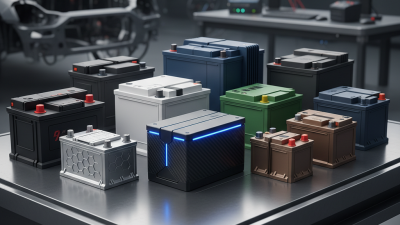
Choosing the right size of automotive battery is crucial for your vehicle's performance. The group number indicates the battery's dimensions, terminal locations, and the type of hold-down used. Using the wrong size can lead to misalignment or improper fit, which can damage your vehicle's electrical system.
According to industry reports, over 30% of car owners unknowingly install the wrong battery size. This can cause issues like weak cranking power and rapid discharge. Inadequate power during cold weather can leave you stranded. It's essential to consult your vehicle manual for the correct group number.
Measuring the existing battery provides a baseline. Pay attention to the length, width, and height. If you're buying a replacement battery, double-check specifications. Many retailers offer sizing guides, but they are often incomplete. Consider seeking expert advice if you're uncertain. A battery that fits properly will enhance your vehicle's longevity and reduce the risk of electrical problems.
Battery Sizes and Compatibility for Various Vehicle Types