Why Are Car Batteries Essential for Your Vehicle Performance?
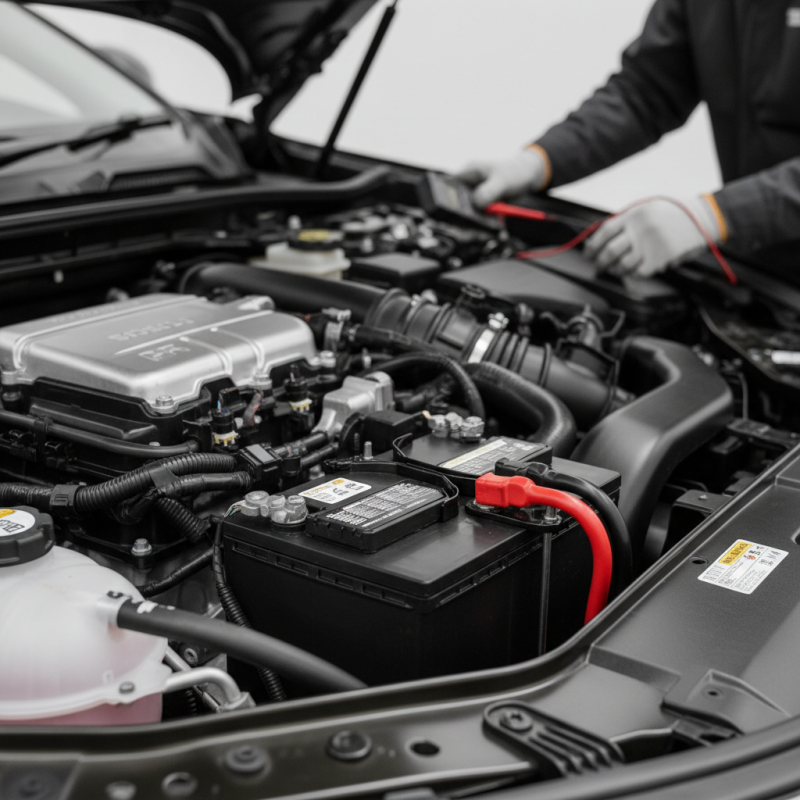
A vehicle's performance greatly depends on its batteries, especially car batteries. These batteries serve as the heart of your vehicle, providing the necessary power for crucial systems. Without reliable car batteries, starting the engine becomes a challenge.
Car batteries also support electronic components, from headlights to infotainment systems. When these batteries fail, drivers may find themselves stranded. Understanding the role of car batteries is vital for any vehicle owner. They not only influence starting power but also affect overall vehicle efficiency.
The connection between a well-maintained battery and optimal vehicle performance is clear. Regular checks on car batteries can prevent unexpected breakdowns. Explore why prioritizing the health of your batteries is essential for your driving experience.
The Role of Car Batteries in Engine Start-Up Efficiency
Car batteries play a vital role in engine start-up efficiency. When you turn the key, the battery supplies the necessary electrical energy. This energy powers the starter motor and ignites the fuel-air mixture in the engine. According to industry reports, a healthy car battery can produce around 12.6 volts when fully charged. This voltage is crucial for a smooth start, especially in colder weather, where battery efficiency can drop by up to 40%.
The condition of your battery directly impacts engine performance. A weak or failing battery may cause slow starts or, worse, prevent the engine from starting altogether. Regular maintenance, such as checking connections and cleaning terminals, is essential. A study indicated that about 25% of vehicle no-starts are due to battery issues. Drivers should be attentive to signs of battery wear, such as dimming headlights or a sluggish engine response.
Tips: Keep your battery clean and secure. Regularly check for corrosion on the terminals. Consider testing your battery every six months to ensure optimal performance. Remember, investing in battery maintenance can prevent costly repairs later. A proactive approach to battery health can significantly improve your vehicle's reliability.
Car Battery Performance Analysis
The chart above illustrates various performance metrics of car batteries, essential for understanding how they contribute to the overall efficiency of vehicle engine start-up. Key metrics include Cold Cranking Amps (CCA), Reserve Capacity (RC), Cycle Life, Recharge Time, and Temperature Range.
Impact of Battery Capacity on Vehicle Performance Metrics
Car batteries play a vital role in vehicle performance. Their capacity significantly impacts how well a vehicle runs. A high-capacity battery ensures that your car starts efficiently in various conditions. It also supports other essential systems, like the headlights and infotainment system. If the battery is weak, you may experience starting issues. In extreme weather, this can lead to frustration and delays.
Battery capacity is often measured in amp hours (Ah). A higher amp hour rating means more stored energy for your vehicle. This additional power can enhance acceleration and overall responsiveness. Drivers may notice smoother transitions between gears in automatic transmissions. However, even the best batteries may degrade over time. Regular maintenance and checks are necessary. Failure to do so could leave you stranded.
It’s crucial to recognize signs of battery fatigue. Dimming lights or slow starts are red flags. These issues can hint at underlying problems. Regular testing can help maintain battery health and vehicle performance. Understanding battery capacity can lead to better care and longer life. Remember, a reliable battery is essential for a dependable driving experience.
Why Are Car Batteries Essential for Your Vehicle Performance? - Impact of Battery Capacity on Vehicle Performance Metrics
| Battery Capacity (Ah) |
Cold Cranking Amps (CCA) |
Voltage (V) |
Vehicle Performance Metric |
Estimated Range (miles) |
| 50 |
400 |
12 |
Average |
300 |
| 70 |
600 |
12 |
Good |
400 |
| 100 |
800 |
12 |
Excellent |
500 |
| 120 |
1000 |
12 |
Outstanding |
600 |
Relationship Between Battery Age and Overall Vehicle Reliability
The age of a car battery can significantly influence vehicle reliability. A battery typically lasts between three to five years. As it ages, its capacity to hold a charge diminishes. Older batteries may struggle to start the engine, especially in cold weather. This creates an unreliable driving experience, leaving drivers stranded at the worst times.
Frequent battery checks can be a proactive measure. Regular maintenance is key to longevity. However, many drivers overlook this. They might only notice issues when the car won’t start. Signs of a weak battery, such as dimming headlights or slow cranking, often go ignored. Drivers need to be informed about these symptoms for better awareness.
Understanding battery life is crucial for overall vehicle performance. An old battery affects not just starting power but also electrical systems. A weak battery can lead to poor fuel efficiency, impacting the driving cost. Each vehicle owner should consider battery age to ensure reliability and safety on the road. Ignoring battery health could lead to unexpected challenges.
Understanding Cold Cranking Amps and Its Importance in Battery Selection
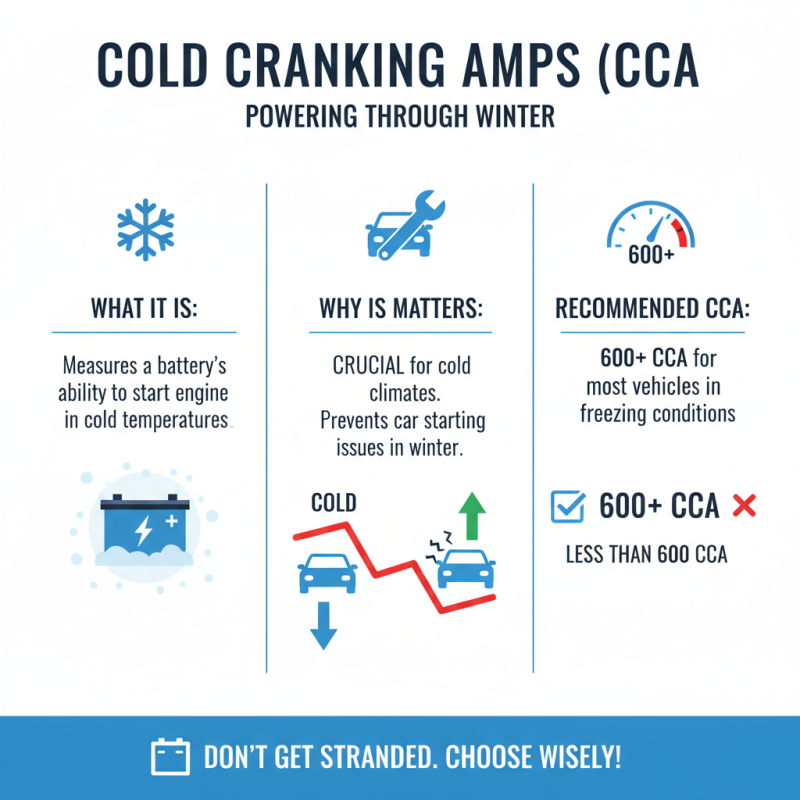
Understanding Cold Cranking Amps (CCA) is paramount when choosing a car battery. CCA measures a battery's ability to start an engine in cold temperatures. This is crucial for regions experiencing harsh winters. Industry reports indicate that a battery needs at least 600 CCA to start most vehicles in freezing conditions. Without sufficient CCA, your car may struggle or fail to start when it’s most needed.
When selecting a battery, consider the climate in your area. A higher CCA rating is advisable for colder climates. On the other hand, warmer regions might require lower CCA levels. Balancing your battery capacity and the demands of your vehicle can enhance your vehicle's overall performance. Additionally, placing too much emphasis on price can lead to poor choices. Investing in a reliable battery pays off in the long run.
Tip: Always check your current battery's CCA rating before replacing it. A slight increase can make a significant difference, especially in cold weather. Regular maintenance on your battery is also essential. Look for signs of corrosion and ensure all connections are secure. A well-maintained battery regularly performs better and has a longer lifespan. Remember, an efficient battery is vital for a vehicle's reliability.
The Influence of Temperature on Battery Performance and Longevity
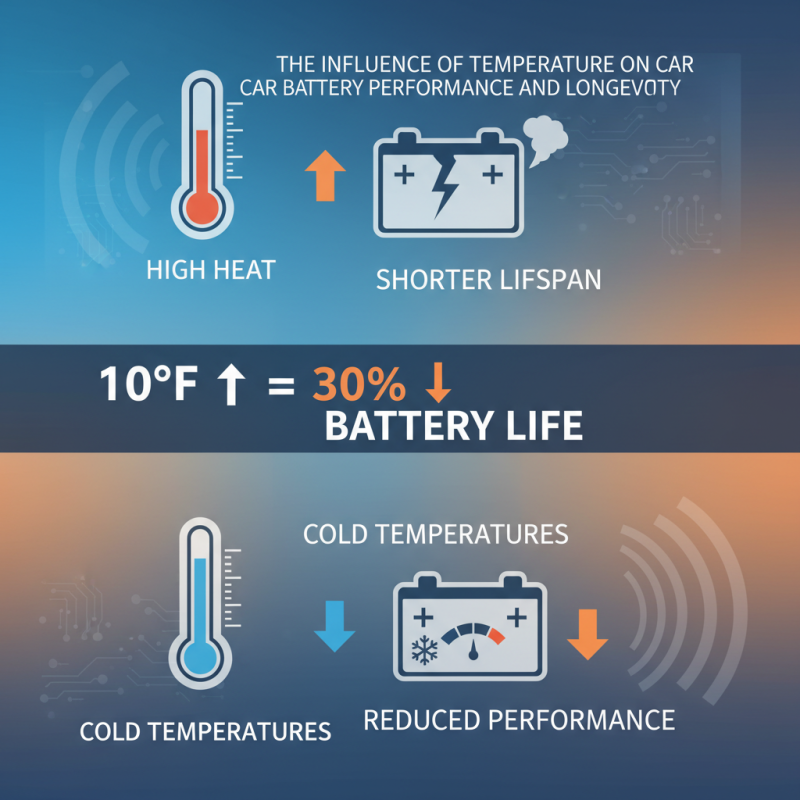
Temperature plays a significant role in the performance and longevity of car batteries. Extreme temperatures, both hot and cold, can adversely affect battery efficiency. According to experts, for every 10-degree Fahrenheit increase in temperature, battery life can decrease by approximately 30%. This means that a battery subjected to high heat will age faster, leading to premature failures.
Cold temperatures present their own challenges. When it gets cold, chemical reactions inside the battery slow down. A fully charged battery can lose over 35% of its starting power in temperatures below 32 degrees Fahrenheit. As a consequence, drivers may face difficulties starting their vehicles during winter months.
Proper maintenance can help mitigate these temperature effects. Regularly checking battery health and ensuring clean connections can enhance performance. Furthermore, storing vehicles in insulated environments can provide a buffer against temperature extremes. Awareness of these factors is crucial, yet many drivers overlook them. Batteries require attention that goes beyond mere replacement.