Top 2025 UPS Backup Batteries: Power Solutions for Every Need
In an era where technology and connectivity are paramount, the reliance on uninterrupted power supply (UPS) systems has grown substantially. One of the critical components of these systems is the UPS backup battery, which ensures that essential devices continue to operate during power outages or electrical disturbances. As we look ahead to 2025, the quest for reliable and efficient UPS backup batteries becomes more important than ever, catering to a diverse array of needs spanning from homes to large enterprises.
Selecting the right UPS backup battery is essential for maintaining operational continuity, safeguarding data, and preventing equipment damage. With advancements in battery technology, consumers are presented with a variety of options, each designed to address specific requirements, functional capacities, and longevity. This landscape is continually evolving, encouraging a careful evaluation of features such as capacity, recharge time, and overall efficiency.
In this guide, we will explore the top UPS backup batteries of 2025, providing insight into the best power solutions available. Whether you are looking to protect your home office, data center, or critical medical devices, understanding the unique offerings of UPS backup batteries will empower you to make informed choices that best suit your power management needs.

Overview of UPS Backup Batteries and Their Importance
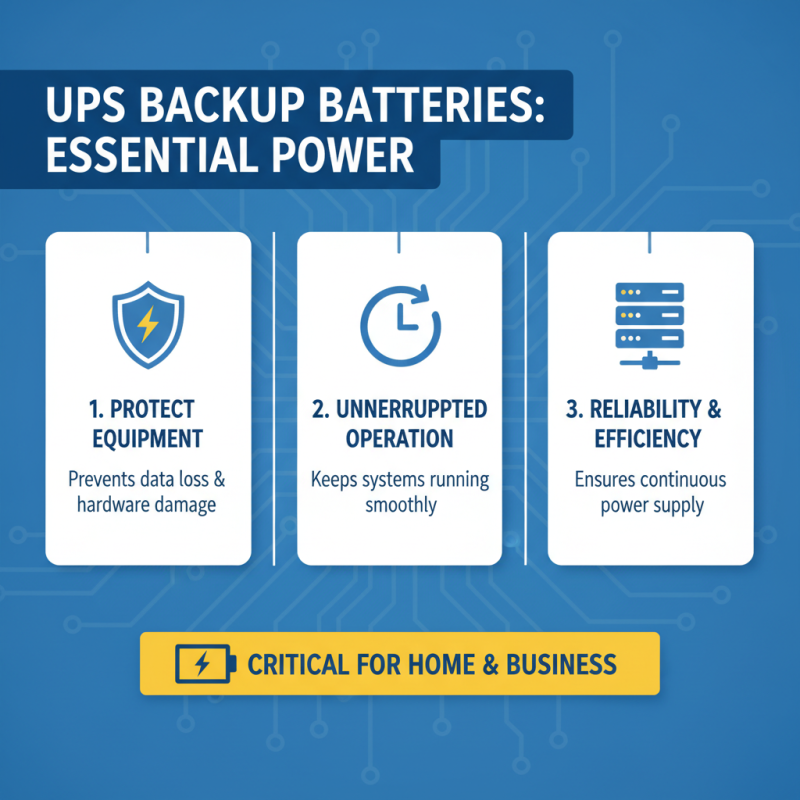
Uninterruptible Power Supply (UPS) backup batteries play a critical role in ensuring the reliability and efficiency of electrical systems. These batteries provide emergency power during outages, allowing connected devices and systems to continue operating smoothly. Whether for business operations or essential home devices, the importance of UPS backup batteries cannot be overstated. They protect sensitive equipment from data loss and damage caused by sudden power interruptions, making them a necessary component in today’s technology-driven world.
In addition to safeguarding data and equipment, UPS backup batteries also contribute to the stability of systems by offering features such as voltage regulation and surge protection. This ensures that devices receive a consistent power supply, which is particularly vital for servers, medical equipment, and other critical infrastructure. With varying capacities and technologies available, selecting the right UPS backup battery tailored to specific needs can enhance operational efficiency and reliability, making them indispensable in both residential and commercial settings.
Key Features to Consider When Selecting a UPS Battery
When selecting a UPS (Uninterruptible Power Supply) backup battery, several key features should be carefully considered to ensure optimal performance and compatibility with your specific power needs. First and foremost, battery capacity, measured in watt-hours (Wh) or volt-amperes (VA), is crucial as it determines how long your devices can run during a power outage. It is essential to assess the total load of the equipment you wish to protect and select a UPS battery that can provide sufficient power without overloading or rapidly depleting.
Another important consideration is the type of battery technology used in the UPS system. Lead-acid and lithium-ion batteries are the most common options, each with its pros and cons. Lead-acid batteries tend to be more affordable but may have a shorter lifespan and slower recharge times. Conversely, lithium-ion batteries offer longer life cycles, faster charging, and improved energy density but can be more expensive initially. Understanding these differences can help you choose a battery that best meets your requirements and budget.
Lastly, features such as runtime, charging time, and additional functionalities like surge protection or monitoring capabilities should not be overlooked. A UPS that provides real-time monitoring can help users manage battery health and overall performance, allowing for timely interventions when necessary. Evaluating these features will not only enhance the reliability of your power backup solution but also extend the lifespan of your devices and maintain the integrity of critical data during outages.
Top 2025 UPS Backup Batteries: Power Solutions for Every Need
| Battery Type |
Capacity (Ah) |
Voltage (V) |
Approximate Lifespan |
Recharge Time |
Ideal Use Case |
| AGM Lead-Acid |
100 |
12 |
3-5 years |
6-8 hours |
Home/Office |
| Lithium-Ion |
150 |
12 |
5-10 years |
3-5 hours |
Servers/Data Center |
| Sealed Lead-Acid |
75 |
12 |
3-5 years |
8-10 hours |
Small Office |
| Nickel-Cadmium |
50 |
12 |
10-15 years |
4-6 hours |
Heavy-Duty Equipment |
| Flow Battery |
200 |
24 |
>10 years |
12-24 hours |
Industrial Applications |
Top 5 UPS Backup Battery Brands for 2025
When it comes to selecting a UPS backup battery, the brand can significantly impact reliability, efficiency, and overall performance. In 2025, the market is showcasing several brands that have consistently led the industry with their innovative technologies and robust product lines. These brands have built a reputation for providing power solutions that cater to a wide range of needs, from home office setups to large-scale industrial applications.
Among the top contenders, one brand has distinguished itself with a commitment to sustainability, ensuring that their products are not only high-performing but also environmentally friendly. Another brand is recognized for its advanced battery management systems, which enhance energy efficiency and extend battery life. Additionally, a third brand focuses on offering customizable solutions that address the specific requirements of various sectors, including healthcare and IT.
The top UPS backup battery brands for 2025 exemplify a blend of cutting-edge technology and user-centric designs. By considering reliability, scalability, and support services, consumers can find a backup power solution that meets their unique demands, ensuring uninterrupted power supply for their essential devices and operations.
Comparison of High-Capacity vs. Compact UPS Batteries
When considering UPS (Uninterruptible Power Supply) batteries, two primary types often come into play: high-capacity and compact models. High-capacity UPS batteries are designed for those who require extended power outages support, making them suitable for larger equipment and critical systems. These batteries typically offer longer runtimes and higher output voltages, making them ideal for data centers, server rooms, and other applications where prolonged power continuity is crucial. This type of UPS battery not only ensures operational stability but also provides sufficient power to safely shut down systems in the event of an extended outage, safeguarding valuable data and equipment.
On the other hand, compact UPS batteries are geared towards users with less demanding needs or those looking for space-efficient solutions. These batteries are lightweight and portable, making them perfect for home use, small offices, or light electronic devices. While they may not provide the same level of power capacity as their larger counterparts, compact UPS batteries still offer essential backup during brief outages and protect against voltage fluctuations. This makes them a practical choice for everyday users who prioritize convenience and ease of use without compromising fundamental power security. Balancing capacity and size will ultimately depend on the specific power needs and available space of the user.
Future Trends in UPS Backup Battery Technology
The evolution of UPS (Uninterruptible Power Supply) backup battery technology is driven by the growing demand for reliable power solutions in various sectors, including telecommunications, healthcare, and data centers. According to a report by MarketsandMarkets, the global UPS market is projected to reach a valuation of $20.47 billion by 2025, with advanced battery technologies playing a crucial role in this growth. The shift towards lithium-ion batteries, which offer higher energy density, longer lifecycle, and reduced maintenance compared to traditional lead-acid batteries, is a significant trend in this market.
Innovative designs such as modular and scalable systems are emerging, allowing users to adapt to changing energy needs and ensuring enhanced efficiency. New communication technologies, including IoT (Internet of Things) integration, streamline monitoring and management of power supply systems, resulting in proactive maintenance and improved reliability. The combination of AI analytics with UPS systems can also predict potential failures, minimising downtime and enhancing overall performance.
**Tips:** When selecting a UPS backup battery, consider the total wattage of your devices to ensure that the system meets your power requirements. Additionally, evaluate the battery's runtime during an outage, as longer runtimes provide greater peace of mind, particularly for critical operations. Lastly, stay informed about the latest advancements in battery technology, as emerging innovations can significantly affect performance and longevity.
Top 2025 UPS Backup Batteries: Capacity vs. Efficiency