2026 Top UPS Backup System Trends You Need to Know?
In today's digital landscape, the importance of a reliable UPS backup system cannot be overstated. These systems play a crucial role in protecting sensitive equipment from power interruptions, ensuring uninterrupted performance for businesses and individuals. As we move towards 2026, emerging trends in UPS technology are set to redefine how we approach backup power solutions.
Technological advancements continue to enhance the efficiency and reliability of UPS systems. The integration of smart technologies allows users to monitor system performance in real-time. This proactive approach can prevent costly downtime. However, with so many options available, making the right choice can be challenging.
Emerging trends point to increased automation, compact designs, and sustainable energy solutions. Companies must adapt to these trends to remain competitive. It's essential to reflect on both the benefits and potential pitfalls of adopting new technologies. With their critical role in power management, understanding these trends is vital for businesses seeking resilience in their operations.

Emerging Technologies in UPS Backup Systems for 2026
As we approach 2026, the landscape of UPS backup systems is evolving rapidly. Emerging technologies are shaping the future of these essential devices. According to a recent industry report, nearly 70% of companies are expected to adopt advanced UPS management software by 2026. This software enhances monitoring capabilities, allowing for real-time data analysis and predictive maintenance, which can reduce downtime by up to 30%.
Another shift is the integration of lithium-ion batteries in UPS systems. These batteries offer a longer lifespan and faster charging times compared to traditional lead-acid batteries. Studies indicate that businesses utilizing lithium-ion solutions could see a reduction in total cost of ownership by approximately 20%. However, the initial costs remain a barrier for some organizations. There is a growing challenge to balance investment with performance improvement.
Cloud-based UPS management platforms are also gaining traction. Access to UPS data and analytics from anywhere can enhance efficiency and decision-making. Yet, this reliance on cloud technology raises concerns about cybersecurity risks. As companies embrace these innovations, they must ensure robust security measures are in place to protect critical data. The changing landscape presents both opportunities and challenges that need careful consideration.
Advancements in Battery Chemistry for Enhanced UPS Performance
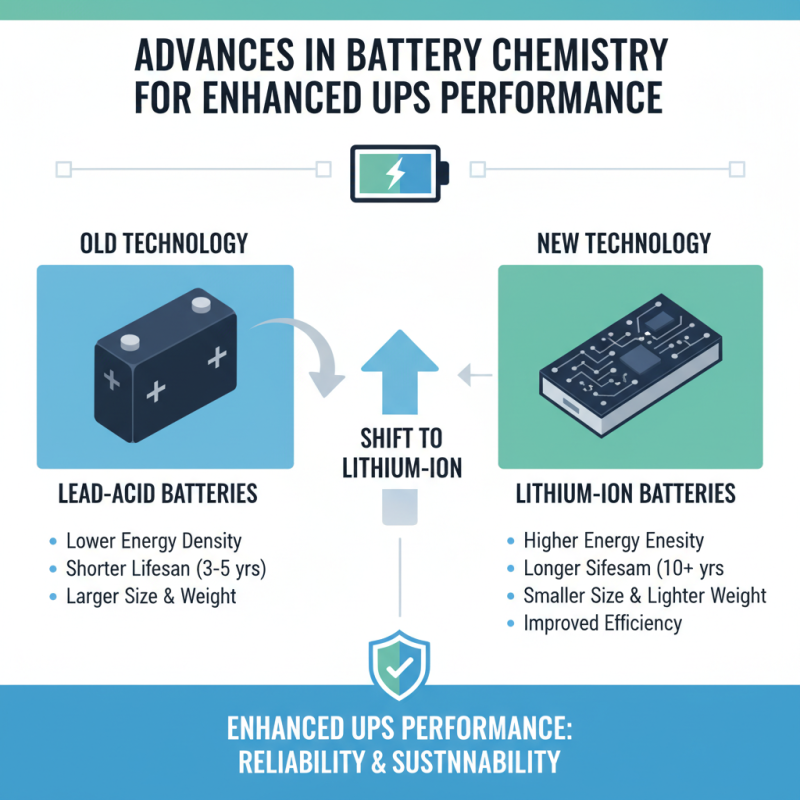
The advancements in battery chemistry are revolutionizing UPS performance. Lithium-ion technology has emerged as a popular choice for uninterruptible power supplies. It offers higher energy density and longer life cycles compared to traditional lead-acid batteries. This shift not only reduces the size and weight of UPS systems but also enhances their efficiency.
In addition to lithium-ion, other chemistries are gaining traction. Solid-state batteries promise increased safety and even greater energy storage capacity. Researchers are experimenting with new materials to further improve charge times and overall performance. However, these innovations are not without challenges. Ensuring affordability and scalability of these advanced batteries remains a concern.
The landscape of UPS technology is evolving. As industries become more reliant on uptime, the demand for efficient power backup systems grows. Battery chemistry improvements are crucial, yet there’s still work to be done. Balancing cost with performance is a continuous struggle in the field. Each advancement brings both excitement and uncertainty, highlighting the need for ongoing innovation and adaptation.
Integration of IoT in UPS Systems for Real-Time Monitoring
The integration of IoT in UPS systems is transforming how businesses manage power supply. Real-time monitoring helps detect issues before they escalate, ensuring system reliability. Sensors collect data on energy usage, battery health, and environmental conditions. This immediate feedback allows for proactive maintenance and reduces downtime.
Moreover, IoT can optimize UPS performance. Data analytics identify patterns that improve energy efficiency. However, this integration comes with challenges. Not all devices communicate seamlessly, and data security is a growing concern. Understanding these vulnerabilities is crucial for effective implementation. Companies must evaluate their existing infrastructure and be prepared for adjustments.
Embracing IoT in UPS isn’t just about technology; it’s about a cultural shift. Teams need training to leverage these systems effectively. Some may resist change, highlighting the need for clear communication and support. Each step towards integration presents opportunities for growth and potential pitfalls that require careful navigation.
2026 Top UPS Backup System Trends You Need to Know
| Trend |
Description |
Impact |
Adoption Rate (%) |
| Integration of IoT |
Real-time monitoring of UPS systems through IoT devices enables proactive maintenance and performance tracking. |
Enhances reliability and reduces downtime. |
75% |
| Cloud-Based Management |
Utilization of cloud platforms for UPS management facilitates centralized control and data analysis. |
Improved accessibility and data-driven decision-making. |
60% |
| Sustainability Initiatives |
Focus on eco-friendly UPS solutions, including energy-efficient designs and recyclable materials. |
Aligns with corporate social responsibility goals. |
50% |
| Enhanced Battery Technologies |
Advancements in battery chemistry lead to increased lifespan and efficiency. |
Longer operational time and reduced replacement costs. |
70% |
| Predictive Maintenance |
Use of AI and machine learning to predict failures and schedule maintenance. |
Reduces operational disruptions and costs. |
65% |
Sustainability Trends Impacting UPS Backup System Design
The landscape of uninterruptible power supply (UPS) systems is evolving. Sustainability is reshaping how these systems are designed and implemented. In recent years, a shift towards eco-friendly practices has been evident. Manufacturers are opting for renewable energy sources, which reduces carbon footprints. Moreover, energy-efficient components are becoming a standard expectation rather than an exception.
Designers are now focusing on modular UPS systems. These allow for upgrades without complete replacements, promoting longevity. This approach not only saves resources but also reduces waste. Innovations in battery technology, such as lithium-ion alternatives, are emerging. They offer better performance with fewer environmental impacts compared to traditional lead-acid batteries.
However, the transition to sustainable UPS systems is not without challenges. The initial costs can be higher, leading to concerns among businesses. Not every company can afford these systems right away. There is also a learning curve associated with new technologies. Organizations must evaluate if the long-term benefits outweigh the upfront investment. These complex considerations highlight the importance of thorough research and planning in adopting sustainable practices in UPS design.
Cost-Effectiveness and Reliability as Key Decision Factors in 2026
In 2026, cost-effectiveness and reliability are crucial when choosing a UPS backup system. Businesses face pressure to maintain uptime while managing budgets. A reliable UPS ensures devices stay operational during power outages. The right system minimizes disruptions and maintains productivity.
When evaluating options, consider total cost of ownership. This includes purchase price, maintenance, and energy consumption. Often, the lowest initial price isn’t the best long-term choice. A higher upfront cost can lead to fewer failures and lower operating expenses.
Tip: Look for systems with a proven track record. Research user reviews and expert opinions. Reliability often comes down to user experiences.
Furthermore, assess the features that enhance reliability. Advanced monitoring capabilities allow early detection of issues. Some systems offer automatic self-testing. This ensures your UPS is always ready when needed. Investing in such features can save your business from unexpected downtime.
2026 Top UPS Backup System Trends
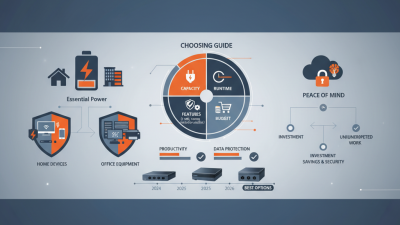
This chart illustrates the key trends influencing the adoption of UPS backup systems in 2026, focusing on cost-effectiveness and reliability as primary decision-making factors.