
A moped scooter can look like a small motorcycle, but its purpose is often simpler: practical trips with less bulk and fuss. For adults, the right model might carry a work bag, fit into a narrow garage, and handle a familiar commute without feeling oversized. Still, “moped” can describe different designs and power systems. Check the maker’s specifications rather than judging by the shape alone.
Motorcycle safety author David L. Hough’s approach to riding emphasizes awareness and planning. A useful paraphrase of that guidance is: “Choose a vehicle you can manage, and leave room for the unexpected.” That matters on a scooter, where a wet painted line, loose gravel, or a heavy backpack can change how a short ride feels. Small details count.
This guide explains what Moped Scooters For Adults are, how their main features differ, and what to consider before choosing one. We’ll look at comfort, storage, range, controls, and everyday upkeep. A seat may feel fine for five minutes but become tiring on a longer ride. A claimed range may also shrink with hills, cold weather, or frequent stops. Real use is messier than a brochure. The aim is not to promise a perfect fit, but to help readers compare options with clear expectations and ask better questions before buying.
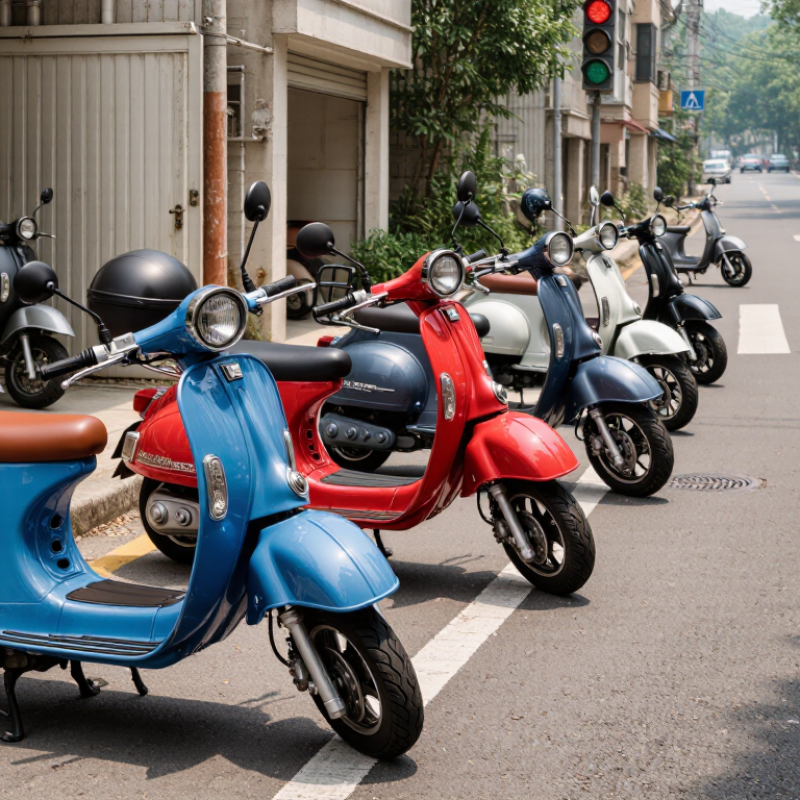
A moped scooter for adults is a compact, powered two-wheeler built for seated, everyday travel. It usually has a step-through frame, a broad seat, and a small engine or electric motor. Many models use automatic-style controls, so riders do not shift gears by hand. Some have pedals; others do not. The label is not perfectly consistent, and vehicle design can vary.
What defines one is its combination of scooter-like layout and modest, practical power. Small wheels, a low seat, and an upright riding position make it easy to mount and handle at low speeds. A typical ride might involve a short commute, a grocery stop, or a trip across a quiet neighborhood.
Details matter.
Check the brakes, tire condition, lighting, and frame stability before choosing one. A seat that feels comfortable for five minutes may feel cramped after a longer ride. Also consider the vehicle’s weight, carrying capacity, and how you will recharge or refuel it.
“Moped” can describe different specifications in different places, so the name alone does not tell you how fast it travels or what equipment it has. Look at the actual specifications, not just the category label.
An adult moped scooter combines a step-through frame, a motor, and controls designed for seated riding. Its power source may be a rechargeable battery or a fuel tank, depending on the design. On electric models, the battery sends energy to a motor, often mounted in a wheel or connected to the drivetrain. Fuel-powered models use an engine to turn the rear wheel. The throttle controls power, while the transmission or drive system transfers it to the wheel.
Designs vary. That matters.
The frame supports the rider and components, while the tires provide contact with the road. Suspension helps soften bumps, though small wheels can still feel rough on broken pavement. Hand controls operate the brakes; many models use separate systems for the front and rear wheels. Lights and reflectors help others see the scooter, but they do not replace attentive riding.
Before a trip, check tire pressure, brake response, and battery charge or fuel level. I would not ignore a new rattle or a soft brake lever. Small clues can point to wear, and a qualified mechanic can inspect problems that are not obvious.
What Is a Moped Scooter for Adults?
How Adult Moped Scooters Are Powered and Operated
Adult moped scooters usually use either a small gasoline engine or an electric motor. A gasoline engine burns fuel to create power, while an electric motor draws energy from a rechargeable battery. The two types can feel similar on the road, but their routines differ. One needs refueling; the other needs charging and a little attention to battery range.
Most models place the throttle on the right handlebar and the brakes within easy reach of both hands. Many gasoline scooters use an automatic transmission, so riders do not shift gears. Electric models also tend to have simple controls, though acceleration can feel surprisingly immediate. The controls feel simple. That does not mean every scooter responds alike. Throttle sensitivity, weight, and brake feel vary, so a slow practice ride can reveal more than a quick glance at the specifications.
Before setting off, check that the tires look properly inflated and that the brakes and lights work. Follow the model’s manual for starting, charging, and routine maintenance; details can differ. Small details matter. I would not assume a familiar layout makes a new scooter predictable, especially when carrying a bag or riding over uneven pavement. Keep both hands steady, accelerate gradually, and leave room to stop. A scooter may be easy to operate, but good control still takes attention.
| Topic | How It Works | Typical Details | What the Rider Does |
|---|---|---|---|
| What an adult moped scooter is | A small motorized two-wheeler designed for short trips and relatively low-speed travel. Many models have a step-through frame and a platform or footrests. | The word “moped” has different legal definitions in different places. Engine size, maximum design speed, and required equipment may determine how a vehicle is classified. | Check the vehicle’s classification and local rules before riding; appearance alone does not determine whether it is legally a moped. |
| Gasoline power | A combustion engine burns a mixture of fuel and air. The engine turns the transmission, which delivers power to the rear wheel. | Many traditional mopeds use small engines, often around 50 cc or less, but engine capacity and legal limits vary by model and jurisdiction. | Refuel with the specified fuel, follow the starting procedure, and maintain the engine, transmission, and exhaust system as directed in the owner’s manual. |
| Electric power | A rechargeable battery supplies electricity to a motor, which drives a wheel directly or through a reduction system. | Range depends on battery capacity, speed, rider and cargo weight, terrain, temperature, and riding style. Charging time varies by battery and charger. | Charge with the compatible charger, monitor the battery level, and follow the manufacturer’s instructions for storage and charging. |
| Throttle and speed control | Most motorized scooters use a handlebar throttle to request power. The motor or engine response increases as the rider applies the throttle. | Some models use a twist-grip throttle; others use a lever or another control. Maximum speed is model-specific and may also be restricted by law. | Apply power gradually, especially when starting, turning, or riding on a slippery surface. |
| Transmission and starting | Many scooter-style mopeds use an automatic continuously variable transmission (CVT), which changes the drive ratio without manual gear changes. Starting systems vary. | A model may use electric starting, a kick starter, or both. Not every moped has an automatic transmission. | Use the starting and stopping sequence in the owner’s manual. If the model has gears or a clutch, learn their controls before entering traffic. |
| Braking | Hand-operated brakes slow the wheels. Depending on the model, braking may use drum brakes, disc brakes, or a combination. | Brake layout and performance differ between vehicles. Tire condition and road surface also affect stopping distance. | Learn which lever controls each brake, brake smoothly, and leave extra stopping distance in wet or loose conditions. |
| Steering and balance | The rider steers with the handlebars and balances the vehicle while seated or standing, depending on its design. | Small wheels and a short wheelbase can make bumps and road defects more noticeable than they are on larger motorcycles. | Look through turns, keep a steady line, and slow down for potholes, gravel, and uneven pavement. |
| Rider protection | A helmet and appropriate protective clothing help reduce the risk of injury, but they do not prevent crashes. | Helmet requirements and other equipment rules vary by location. Lights, reflectors, mirrors, and indicators may also be legally required. | Wear a properly fitted helmet and visible clothing, and check that required lights and safety equipment work before riding. |
| Licensing and road rules | Registration, licensing, insurance, and permitted-road rules depend on the vehicle’s legal class and the rider’s location. | There is no single worldwide engine-size or speed threshold that defines every moped. Local authorities set applicable requirements. | Confirm local requirements for the specific vehicle, including where it may be ridden and whether a license, registration, or insurance is needed. |
| Routine checks | Regular inspection helps identify worn or damaged parts before a ride. | Common checks include tires, brakes, lights, controls, mirrors, and—for gasoline models—fuel and fluid levels. Electric models also need battery and cable checks. | Follow the maintenance schedule in the owner’s manual and do not ride if a critical control, tire, or brake is unsafe. |
| Key takeaway | An adult moped scooter may be powered by a small gasoline engine or an electric motor. Its exact controls, performance, and legal classification depend on the model and local regulations. | ||
A moped scooter for adults is a compact two-wheeled vehicle designed for short, practical trips. Many have a step-through frame, upright seating, and simple controls. Common types include electric models, which charge from an outlet, and fuel-powered models, which need regular refueling. Some have pedals, but many look and work more like small scooters. The term can describe different vehicles, so check the specifications before choosing one.
For everyday use, adults may ride a moped scooter to a nearby shop, a transit stop, or a local appointment. Its small frame can make parking easier, and a storage compartment may hold a rain jacket or groceries. It feels simple. Yet the ride can be less comfortable on rough pavement, steep hills, or longer journeys. Rain changes that. Wet roads and reduced visibility call for extra care, and a passenger or heavy bags can affect handling.
Tips: Match the scooter to your usual route, not just its appearance. Check seat comfort, storage, range or fuel capacity, and how easily you can reach the controls. Wear a properly fitted helmet and protective clothing, and inspect the tires, lights, and brakes regularly. A short test ride helps reveal details a product description may miss.
What Is a Moped Scooter for Adults?
A moped scooter is a small, low-powered two-wheeler designed for short trips. Before buying one, check how your local authority classifies it. Engine size, maximum speed, and electric-assist features can affect licensing, registration, insurance, and where it may be ridden. Rules vary by location. Confirm the requirements with an official transport agency, not just a seller’s description. You may also need a suitable licence or training, even if the scooter feels easy to operate.
Safety depends on preparation as much as the vehicle. Wear a properly fitted helmet and visible clothing, and check tire pressure, lights, and brakes before riding. Practice turning and stopping in a quiet area first. Wet pavement and painted road markings can feel surprisingly slick. I would not assume a short commute is automatically a low-risk ride; traffic and road conditions can change quickly. Honestly, that part is easy to underestimate.
Tips: Compare the total ownership cost, including required insurance, protective gear, routine servicing, and secure storage. Ask how often the brakes and tires need inspection. Keep maintenance records, and arrange repairs when something feels or sounds different. A small rattle is worth checking. Rules and costs can change, so verify local details before each major ownership decision.
U.S. motorcyclist fatalities increased from 5,044 in 2019 to 6,218 in 2022. These figures cover motorcycles broadly, not mopeds alone, but they highlight why adults should check local licensing and helmet requirements and use protective gear.
Source: NHTSA, Traffic Safety Facts. State definitions and requirements for mopeds vary.
