What is a Wifi Doorbell and How Does it Work?
The Wifi Doorbell is a modern innovation in home security and convenience. It combines technology with everyday life, allowing homeowners to monitor their entrances remotely. With an integrated camera and speaker, users can see and communicate with visitors from their smartphones.
Understanding how a Wifi Doorbell works can enhance its effectiveness. These devices connect to home Wi-Fi networks, enabling real-time alerts. When someone rings the doorbell, an instant notification is sent to the user’s phone. This feature offers peace of mind and increased security. However, connectivity issues can sometimes undermine functionality.
While Wifi Doorbells provide various benefits, potential drawbacks exist. For instance, reliance on Wi-Fi might not be ideal for everyone. Users must ensure their network is robust to avoid interruptions. In reflecting on the convenience of this technology, one must also consider potential privacy concerns. Ensuring secure settings and understanding data use is crucial.
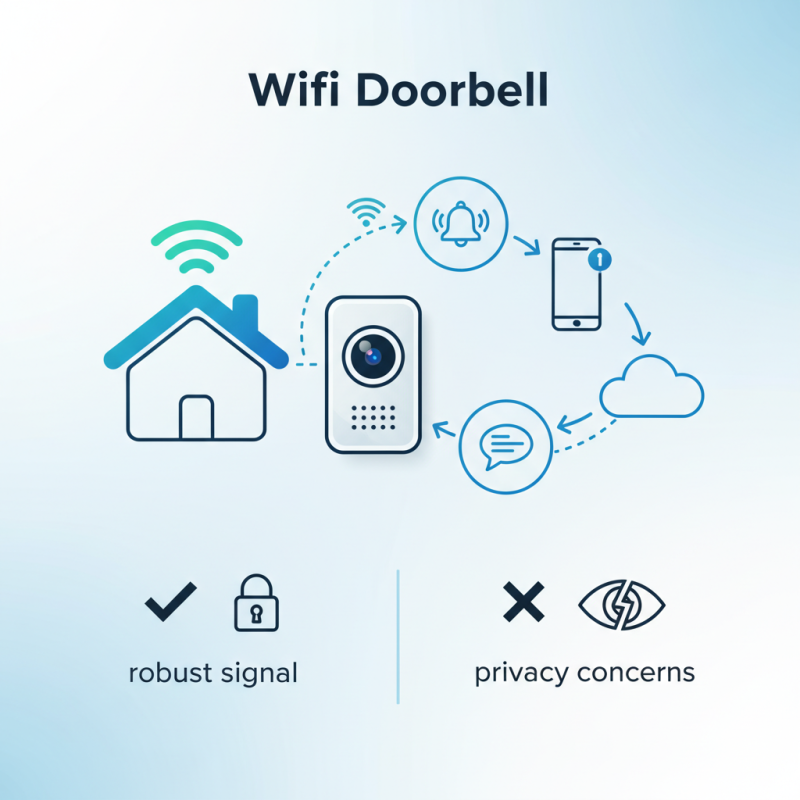
What is a Wifi Doorbell?
A WiFi doorbell is a smart device that connects to a home’s wireless network. It provides video and audio capabilities, allowing homeowners to see and speak to visitors remotely. In recent years, their popularity has surged, with a market growth rate projected at 20% annually according to industry reports. This increase reflects a growing interest in home automation and security.
These doorbells typically feature a camera, microphone, and speaker. The camera allows users to monitor their front door in real time. Many models offer high-definition video. An impressive 40% of homeowners feel that video doorbells significantly enhance home security. However, the reliance on WiFi can pose challenges. Poor connectivity can lead to delays or missed alerts, raising concerns about effectiveness.
Using a WiFi doorbell often requires an app for monitoring and notifications. Some users find navigating these apps complex or unintuitive. Also, security vulnerabilities have been reported, with 30% of smart devices experiencing breaches. While the convenience is undeniable, ongoing concerns about privacy and security remain pivotal points for reflection in adopting these technologies.
Key Features of Wifi Doorbells
When exploring the world of smart home technology, a Wifi doorbell stands out for its convenience and security features. These devices blend traditional doorbell functions with advanced technology, allowing homeowners to monitor their entrance from anywhere. Key features include video streaming, motion detection, and two-way audio. Users can see who is at the door through their smartphones, reducing anxiety about unexpected visitors.
Another important aspect is the integration with home security systems. Many Wifi doorbells can connect with existing cameras and alarms. They provide real-time alerts, notifying users when someone approaches. This can deter potential intruders. However, some users may experience setup challenges, including connectivity issues with their home network. While these devices are designed for ease, understanding technology is crucial for effective use.
Finally, it's worth noting that not every Wifi doorbell is created equal. Some may have lower video quality or limited motion detection range. Researching specifications and reviews can help in making a better choice. The promise of convenience should not overshadow the need for functionality and reliability in your selection process.
How Wifi Doorbells Function and Operate
Wifi doorbells are a modern innovation enhancing home security. They utilize Wi-Fi to connect directly to your smartphone or smart home systems. When someone approaches your door, the doorbell detects their presence and notifies you instantly. The integrated camera allows you to see and communicate with visitors from anywhere.
These devices function through multiple components. A motion sensor triggers the camera when someone is detected. The video feed streams to your phone, allowing real-time interaction. You can answer the door remotely or capture footage for safety. Importantly, most models feature night vision and two-way audio for effective communication even in low light.
However, these systems do come with challenges. Wi-Fi connectivity issues can interrupt the feed, causing delays. Installing a doorbell might require additional wiring or setup time, which can be inconvenient. Some users find it overwhelming to manage yet another device in their home. Despite these drawbacks, many still appreciate the added security and convenience these doorbells provide.
Wifi Doorbell Features Comparison
This chart compares various features of WiFi doorbells, including video quality, night vision capability, two-way audio, and motion detection.
Advantages of Using a Wifi Doorbell
Wifi doorbells are modern devices that combine video technology with smart home functionality. They provide an easy way to see and communicate with visitors at your door. This takes home security to a new level, allowing users to monitor real-time events from their smartphones. The installation of these doorbells is often straightforward, and the integration with home Wi-Fi networks is generally seamless.
One major advantage of using a Wifi doorbell is enhanced convenience. Many devices allow two-way communication, so you can talk to visitors without opening the door. This feature is particularly useful for busy households. Moreover, Wifi doorbells often come with motion detection alerts. You receive notifications when someone approaches your door, even if they don’t ring the bell. This can act as a deterrent against unwanted guests or package theft.
Despite these benefits, there are considerations to keep in mind. Wifi reliability is essential for the effective operation of these devices. A weak connection can lead to missed alerts or video lag. Additionally, privacy concerns arise with constant video monitoring. Users must ensure proper security settings to protect their data. Balancing these factors is crucial in maximizing the advantages of a Wifi doorbell.
What is a Wifi Doorbell and How Does it Work? - Advantages of Using a Wifi Doorbell
| Feature | Description | Advantages |
| Video Streaming | Allows you to see who is at your door in real-time via a mobile app. | Enhanced security and monitoring of visitors. |
| Two-Way Audio | Enables communication with visitors without opening the door. | Convenience in interacting with guests and delivery personnel. |
| Motion Detection | Detects motion at the door and sends alerts to your phone. | Proactive security and awareness of activity around your home. |
| Cloud Storage | Records video footage and stores it in the cloud for easy access. | No risk of losing recordings due to device damage. |
| Smart Home Integration | Works with other smart home devices for enhanced security. | Streamlined home automation and control. |
Installation and Setup Process for Wifi Doorbells
Installing a WiFi doorbell can seem daunting, but breaking it down makes it manageable. Start by checking your existing doorbell wiring. Some models connect directly to existing wiring, while others are battery-operated. Ensure your WiFi signal is strong in the area where you'll install the doorbell. A weak signal can lead to missed alerts or poor video quality.
Once you have these basics, follow the manufacturer's instructions for mounting the doorbell. Most devices come with a handy template for drilling holes. Take care to securely attach the doorbell to prevent it from being easily removed. After physical installation, it’s time to power up the device and connect it to your WiFi network. You will typically use a smartphone app for this process.
As you progress, remember to test the camera and speaker functionality. Position the camera at eye level for the best view. Check if the app notifications are working correctly. If you notice any glitches or delayed footage, consider repositioning your router or using a WiFi extender. Sometimes, what seems straightforward can uncover technical hitches that need resolving. Enjoy the ease of having a smart doorbell, but be open to troubleshooting along the way.