What is a battery backup system and how does it work?
Battery backup systems are essential for uninterrupted power supply during outages. These systems store energy to ensure that critical devices remain operational when the main power fails. They consist of batteries, inverters, and management software that work together to deliver reliable energy.
Understanding how these systems function can empower homeowners and businesses. A well-designed battery backup system can protect vital electronics, from computers to medical equipment. However, prospective users should consider factors like battery capacity and discharge rates. There is often misinformation around battery lifespan and maintenance that demands careful attention.
In a world increasingly reliant on technology, battery backup systems present a practical solution. They provide peace of mind in emergencies. Yet, users must recognize the fragile nature of these systems. Regular maintenance and awareness of potential failures are crucial. Properly understanding these elements can lead to a more reliable energy source when it’s needed most.

Definition of a Battery Backup System and Its Purpose
A battery backup system is a critical tool designed to provide power during outages. It serves multiple purposes,
primarily ensuring that essential devices remain operational. This is especially important for businesses, hospitals,
and homes that rely on electricity for safety and productivity.
The basic function of a battery backup system is straightforward. When the main power supply fails, the system kicks in.
Batteries store energy, ready to be released when needed. This can happen instantly or within a few seconds, depending
on the system's design. The stored energy powers devices like lights, computers, and communication systems. While this
technology has improved, it’s still vital to consider limitations. For instance, battery life can vary widely. You
might find that some systems last longer than others, and this can affect your operational strategy.
Effective installation and maintenance are crucial. Users often overlook routine checks, leading to unexpected failures.
Education about their function and limits is key. Thus, investing time in understanding your backup system can enhance
reliability. A well-informed user can make adjustments, ensuring continuous operation when it's most needed.
Key Components of a Battery Backup System
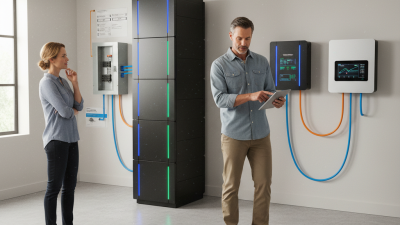
A battery backup system is essential for maintaining power during outages. It typically consists of three key components: batteries, an inverter, and a charge controller. Each plays a critical role in ensuring the system operates smoothly.
Batteries are the heart of any backup system. They store electrical energy for later use. Their type and capacity matter significantly. Lead-acid and lithium-ion are common, each with pros and cons. The choice can impact efficiency and longevity. It's important to assess your power needs and select accordingly.
The inverter converts stored energy into usable AC power. This process is crucial for household appliances. An efficient inverter reduces energy loss. Meanwhile, the charge controller manages the power flow into the batteries. It prevents overcharging, which can damage the system. Proper installation and regular maintenance are vital. A well-functioning system requires attention to detail and occasional checks for optimal performance.
Battery Backup System Analysis
This chart illustrates the performance of a battery backup system over different load levels. The data represents the estimated backup duration in hours based on varying power consumption levels of connected devices.
How a Battery Backup System Works: The Process Explained
A battery backup system is crucial for maintaining power during outages. It stores energy in batteries, which can be used when the main power source fails. The process involves a few key steps. First, the system charges the batteries using the main power supply. When an outage occurs, the system detects the loss of power and automatically switches to battery power, ensuring continuity.
According to a report from the Energy Storage Association, battery storage capacity in the U.S. has increased by over 200% since 2018. This trend highlights the growing reliance on these systems for residential and commercial use. Backup systems can provide energy for critical appliances, keeping your home or business operational even when the grid fails.
Tips: Regular maintenance is essential. Check the battery health periodically to ensure reliability. Additionally, ensure proper placement of the backup system. It should be in a cool, dry location away from direct sunlight. Understand your energy needs, as overestimating can lead to extra costs or an underperforming system.
Types of Battery Backup Systems and Their Applications
Battery backup systems provide essential power during outages. They come in various types, each with its unique applications. Understanding these can help users choose the right system for their needs.
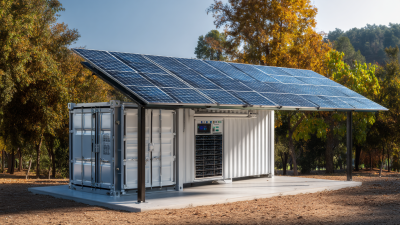
One common type is the uninterruptible power supply (UPS). This system provides immediate power during a blackout. It's widely used in offices for computers and servers. Many homes also benefit from UPS systems for critical devices like medical equipment. Another type is the battery bank system. This system stores energy from various sources. Users often integrate it with solar panels, increasing energy independence and reducing reliance on the grid.
In contrast, lead-acid batteries are popular in smaller systems. They are cost-effective but have a shorter lifespan. Lithium-ion batteries are more advanced and offer longer life; however, they are pricier. Each choice comes with trade-offs. Consider the energy requirements, budget, and space. Making the right decision involves evaluating these factors carefully.
Benefits and Limitations of Using a Battery Backup System
A battery backup system is essential for maintaining power during outages. It provides a reliable source of energy for homes and businesses. However, it comes with its own set of benefits and limitations.
One major benefit is peace of mind. Knowing you have backup power can alleviate stress during storms or outages. It ensures that critical devices, like medical equipment, continue to function. Reduced risk of data loss also stands out. Power interruptions can cause data corruption, but a backup system helps maintain operations smoothly.
On the flip side, battery backup systems have limitations. They require regular maintenance to function effectively. Neglecting this can lead to performance issues during outages. The initial installation cost may be high, deterring some users. Additionally, battery life can be a concern. Over time, batteries lose capacity, needing replacement. Users must consider these factors when deciding on a backup solution.