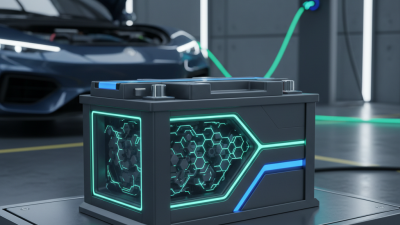
Choosing the best car batteries in 2026 is not simply a matter of picking the newest chemistry. A small hatchback with a basic start-stop system has different needs from a diesel SUV with heavy electrical loads. Flooded lead-acid, EFB, and AGM batteries remain common choices, while lithium-based options suit some specialist uses. Fit, charging compatibility, climate, and warranty matter as much as chemistry. The details count.
Battery Council International reports that nearly 99% of lead batteries in the United States are recycled, a useful reminder that established technology still has practical strengths. Meanwhile, the International Energy Agency’s Global EV Outlook 2025 says demand for electric-vehicle batteries reached about 1 terawatt-hour in 2024. That figure concerns traction batteries, not ordinary 12-volt starter batteries, so it should not be treated as a direct comparison. Context matters.
Battery expert Isidor Buchmann, founder of Cadex Electronics and publisher of Battery University, writes, “The battery is a fragile device that needs to be treated with care.” That advice applies whether a driver is comparing AGM durability, EFB value, or lithium’s lower weight. There is no universal winner. A premium battery can still be the wrong fit. This guide compares the main types using their real-world strengths, limitations, and maintenance needs. One caveat: product specifications vary, and a vehicle manual should take priority over broad buying advice. The right choice is often less exciting than expected. That is worth remembering.
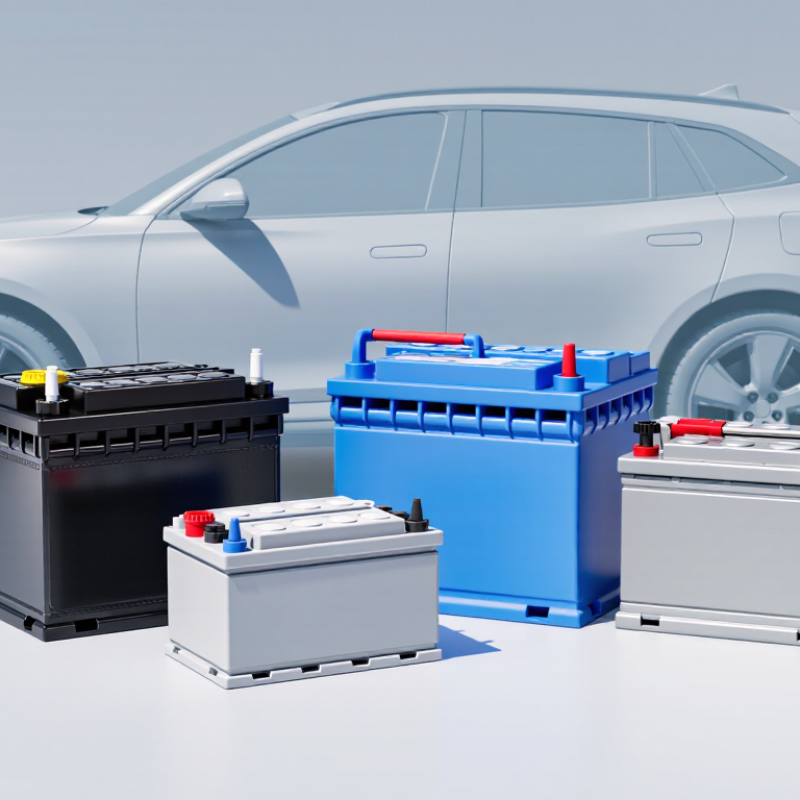
What Are the Best Car Battery Types in 2026?
How Car Batteries Store and Deliver Power
A car battery is a chemical reservoir. A conventional 12-volt lead-acid battery has six cells, where chemical reactions between lead plates and electrolyte create electrical energy. During a start, electrons flow through the starter circuit and turn the engine. The alternator then replenishes charge and helps power onboard electronics. Short trips may leave less time for recharging.
Battery type affects how power is stored and delivered. Flooded lead-acid batteries are widely used; AGM batteries hold electrolyte in glass mats and generally tolerate vibration and repeated cycling better. Lithium-ion batteries store more energy per kilogram, but a replacement must suit the vehicle’s charging system. The International Energy Agency’s Global EV Outlook 2024 reported that transport battery demand exceeded 750 GWh in 2023, driven largely by electric vehicles. That figure describes traction batteries, not ordinary starter batteries. The distinction is easy to miss.
Tips: Check the vehicle manual before choosing a replacement. After the car has rested, a multimeter reading can offer a rough clue, but voltage alone cannot confirm battery health. Temperature matters, too. A professional load test gives a more useful picture.
Typical specific energy by automotive battery chemistry
Higher specific energy means more stored energy for a given battery weight. Lead-acid types—including flooded, EFB, and AGM—are widely used for 12-volt starting and accessory power; lithium-ion chemistries such as LFP and NMC are common in electric-vehicle traction batteries. Values are approximate chemistry-level midpoints, not specifications for a particular battery. Actual performance varies by design and operating conditions.
Car batteries differ in chemistry, construction, and the demands they can handle. Conventional flooded lead-acid batteries are widely used and often cost less. Some require checking fluid levels, while maintenance-free versions are sealed. Their performance can weaken in deep cold, especially when the battery is already worn. A slow engine crank on a frosty morning is a useful warning, not a diagnosis by itself.
Enhanced flooded batteries, or EFBs, are built for vehicles with basic stop-start systems and more frequent cycling. Absorbent glass mat batteries, known as AGM, typically handle repeated starts and heavier electrical loads better. They can suit vehicles with advanced stop-start features, but only when the vehicle’s charging system supports them. Chemistry matters. Installing a different type without checking compatibility may shorten battery life or trigger electrical issues.
Lithium-ion batteries are common in electric vehicles as large traction batteries; some vehicles also use a separate, smaller 12-volt battery. A lithium 12-volt unit is not automatically a suitable replacement for lead-acid. Check the owner’s manual for battery type, group size, required cold-cranking rating, and charging requirements. Check the manual. Age, climate, driving habits, and accessory use also affect service life. Even with careful matching, real-world performance varies, so testing the charging system can prevent a good battery from being blamed for a different fault.
The right battery depends on the job. For conventional cars, flooded lead-acid batteries usually cost least and suit basic starting needs. Enhanced flooded batteries handle frequent stop-start driving better, while AGM batteries tolerate deeper cycling and heavier electrical loads. That extra resilience costs more. Cold mornings, short trips, and accessories left running can expose a weak match quickly.
Electric-car batteries are a different comparison. BloombergNEF’s 2024 Battery Price Survey reported an average lithium-ion pack price of US$115 per kilowatt-hour, down 20% from 2023. It put lithium iron phosphate packs at US$81 per kilowatt-hour, versus US$128 for nickel-manganese-cobalt packs. LFP generally trades some energy density for lower cost and strong cycle life; NMC can store more energy in a given weight. These are pack-level averages, not replacement prices for an individual vehicle. Important distinction. A cheaper chemistry does not guarantee a cheaper ownership experience: pack design, cooling, warranty, and local repair access matter. I would treat the figures as a useful compass, not a checkout quote. Industry averages can hide inconvenient differences.
A conventional flooded lead-acid battery can suit an older vehicle with modest electrical demands and regular, longer drives. It is usually a practical choice when the owner’s manual specifies it. Frequent short trips are harder on any battery because the alternator may not replace the energy used during starting. A cold morning, dim headlights, and slow cranking can be early clues.
Vehicles with stop-start systems often need an enhanced flooded battery or an AGM battery, depending on the manufacturer’s specification. EFB batteries handle repeated starting better than basic flooded designs. AGM batteries support heavier electrical loads and frequent cycling, which can help in vehicles with features such as heated seats or energy recovery. They are not automatic upgrades, though. The charging system and battery monitoring settings must match.
Driving style matters, too. A car used mainly for short urban trips may benefit from a battery suited to frequent starts, but even that battery can remain undercharged without occasional longer drives or a suitable maintenance charger. For lightweight vehicles or specialist applications, lithium batteries may reduce weight, yet temperature limits and charging compatibility need careful checking. Check the manual. A higher price or newer chemistry does not guarantee a better fit; the right size, terminal layout, capacity, and specified technology matter more. I would not assume the original battery type was chosen casually.
Choosing a car battery starts with the vehicle, not the chemistry. Check the owner’s manual for battery group size, minimum cold-cranking amps, and required technology. A battery that physically fits may still have the wrong terminal layout or capacity. Fit comes first. Photograph the old battery’s label before shopping; it can clarify specifications, but the manual should settle any disagreement.
Flooded lead-acid batteries suit many conventional vehicles and often cost less. Enhanced flooded batteries are designed for some start-stop systems, while AGM batteries handle heavier electrical loads and frequent cycling. Match the original type unless the vehicle maker approves an alternative. AAA’s automotive guidance puts typical battery life at about three to five years, though heat, short trips, and long parking periods can reduce it. Check the battery’s date and warranty, not just its price.
Think about how you drive. Short urban trips with heated seats and frequent starts place different demands on a battery than long highway journeys. An oversized upgrade is not automatically better. Battery Council International reports that about 99% of lead batteries in the United States are recycled, making proper take-back a practical part of replacement. Lithium starter batteries can be lighter, but they are not suitable for every vehicle or climate. The details can be frustrating; verify compatibility before paying.