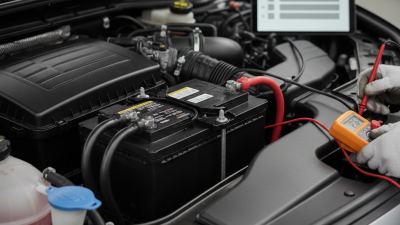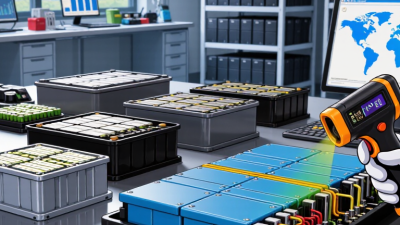
Choosing the best ups battery price in China requires more than comparing numbers on a supplier’s quotation. A low offer may exclude testing, export packaging, delivery, installation support, or warranty coverage. The final cost can change quickly. A battery that looks affordable may also have a shorter service life, weaker temperature tolerance, or limited replacement support.
David M. Rosewater, an IEEE specialist in power systems and energy storage, has often stressed this practical principle: “Battery reliability depends on the complete system, not the cell alone.” That view is useful when evaluating Chinese manufacturers. Buyers should examine battery chemistry, rated capacity, design life, discharge performance, manufacturing date, and quality certificates. They should also request recent test reports, not only polished brochures. Small details matter. Terminal corrosion. Uneven casing color. Unclear labels.
For many UPS projects, VRLA batteries offer a familiar and economical choice. Lithium batteries may provide longer service life, lower maintenance, and better space efficiency. Yet their higher purchase cost can make the initial ups battery price appear less attractive. Shipping terms also matter. EXW, FOB, and delivered prices are not directly comparable. Neither are five-year and ten-year warranty claims.
A reliable decision combines price, performance, safety, and supplier experience. Still, no quotation tells the whole story. This is where buyers must remain cautious. Factory audits, sample testing, and clear warranty clauses can reveal weaknesses before payment. The best price is not always the lowest price. It is the most defensible total cost for the required operating conditions.
What Does a UPS Battery Price in China Include?
A UPS battery price in China rarely means the battery alone. It may include cells, a protective case, terminals, connectors, and basic factory testing. Lead-acid batteries usually cost less upfront, while lithium batteries often require a battery management system and stricter testing.
The quoted price can also cover labeling, export packaging, and product documents. Some suppliers include a short warranty, but others charge separately for extended coverage. Shipping, insurance, import duties, and local taxes are commonly excluded. A low factory price may become expensive after freight and customs charges. This detail is easy to miss.
From practical purchasing checks, reliable suppliers should explain capacity, voltage, cycle life, discharge conditions, and test standards. Ask for a recent inspection report, not only a catalogue figure. A 100Ah battery tested at a different temperature may not deliver the expected runtime. I once compared two similar quotations and found that one excluded terminal hardware. Small omissions can affect installation costs.
Tips: Request a complete proforma invoice. Check whether the price includes packaging, testing, warranty, and accessories. Confirm the delivery term and payment conditions in writing. Ask about replacement procedures before ordering. Do not judge value from the unit price alone. Specification details matter more.
What Does a UPS Battery Price in China Include?
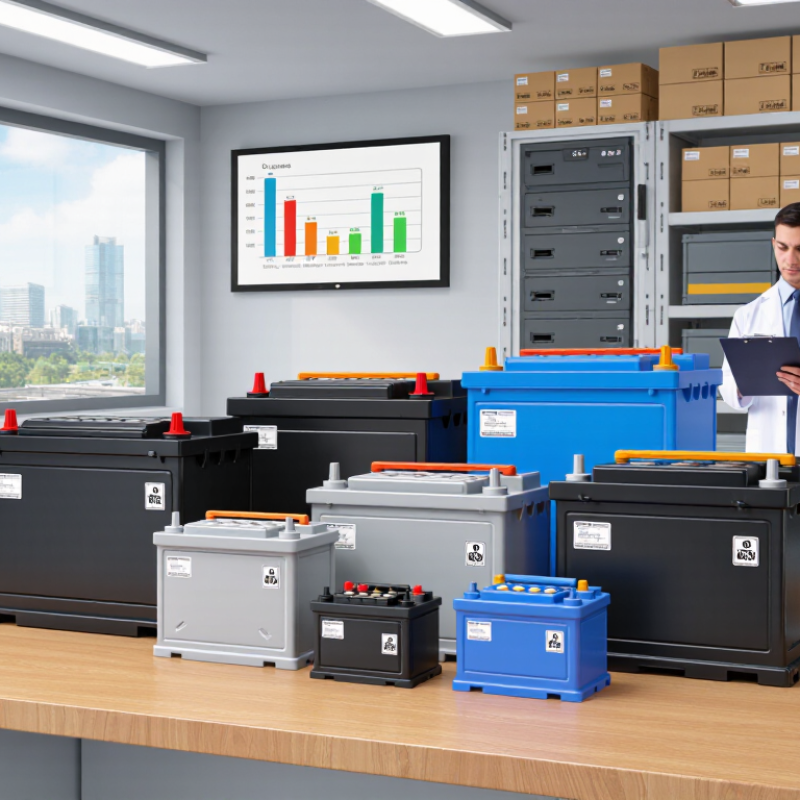
This chart shows indicative China wholesale prices for common 12V VRLA UPS batteries, quoted in USD per unit on an ex-works basis. The price typically includes lead and battery materials, assembly, quality testing, packaging, and export handling. Final pricing may change with order quantity, certification requirements, battery specifications, taxes, and international freight.
What Is the Best UPS Battery Price in China?
UPS battery prices in China vary with chemistry, capacity, design life, and production volume. A small sealed lead-acid battery may cost less initially. However, a longer-life model can reduce replacement work over several years. Lithium batteries usually have higher upfront prices. They may offer lighter weight, faster charging, and better cycle performance.
Material costs also influence quotations. Lead purity, separator quality, casing strength, and safety controls affect factory expenses. Certification, testing, packaging, and export requirements add further costs. A battery made for a hot data room may need stronger temperature control. Delivery distance, order quantity, payment terms, and warranty length also change the final price. I once underestimated shipping and installation costs. The “cheapest” quote became less attractive after adding those details.
Tips: Ask for capacity at a specific discharge rate, not only the battery label. Request test reports, warranty conditions, production dates, and replacement terms. Compare total ownership cost over three to five years. Check whether the supplier provides technical support and traceable quality records. Do not accept unclear claims. A low price may reflect older stock, thinner materials, or limited testing. Still, expensive does not automatically mean better; independent verification remains necessary.
| Battery Category | Typical Specification | Indicative China Ex-Works Price | Price Basis | Typical Service Life | Main Factors Influencing Price |
|---|---|---|---|---|---|
| VRLA AGM | 12 V, 7–9 Ah sealed lead-acid battery | US$8–18 | Per battery | 3–5 years in standby use | Plate design, electrolyte volume, valve quality, certification requirements, order quantity, and carton packaging. |
| VRLA AGM | 12 V, 26–28 Ah sealed lead-acid battery | US$24–45 | Per battery | 3–5 years in standby use | Lead material cost, rated capacity, discharge performance, terminal construction, and manufacturing tolerance. |
| VRLA AGM | 12 V, 65–75 Ah sealed lead-acid battery | US$55–95 | Per battery | 3–6 years in standby use | Battery weight, high-rate discharge capability, internal resistance, case design, and testing requirements. |
| VRLA AGM | 12 V, 100 Ah sealed lead-acid battery | US$75–135 | Per battery | 3–6 years in standby use | Lead price, usable capacity, high-temperature tolerance, terminal type, transport class, and required compliance documents. |
| VRLA Gel | 12 V, 100 Ah gel battery | US$95–170 | Per battery | 5–8 years in standby use | Silica-gel formulation, deep-cycle capability, temperature performance, cycle life, and quality of the separator and casing. |
| Front-Terminal VRLA | 12 V, 100 Ah front-access battery | US$105–185 | Per battery | 5–8 years in standby use | Front-terminal structure, rack compatibility, installation density, high-rate performance, and maintenance access design. |
| Lithium Iron Phosphate | 48 V, 50 Ah, approximately 2.4 kWh battery module | US$420–750 | Per module | 8–12 years or 2,000–4,000 cycles | Cell grade, battery management system, thermal protection, enclosure, communication protocol, and safety testing. |
| Lithium Iron Phosphate | 48 V, 100 Ah, approximately 4.8 kWh battery module | US$760–1,350 | Per module | 8–12 years or 2,000–4,000 cycles | Cell capacity consistency, usable depth of discharge, BMS functions, balancing accuracy, cooling method, and communication integration. |
| High-Voltage Lithium System | 192–480 V DC, 10–50 kWh cabinet system | US$4,500–22,000 | Per system | 8–12 years or 2,000–5,000 cycles | Energy capacity, voltage architecture, cabinet and busbar design, fire protection, monitoring system, installation testing, and warranty period. |
| Custom UPS Battery Bank | 480 V DC, 100–200 Ah lead-acid bank | US$12,000–32,000 | Per battery bank | 5–12 years, depending on battery type | Number of battery strings, redundancy level, rack or cabinet design, interconnection cables, monitoring, factory acceptance testing, and delivery schedule. |
| Replacement Battery Kit | UPS-compatible kit with batteries, connectors, and installation accessories | US$80–1,800 | Per kit | Typically 3–8 years | UPS voltage and capacity, number of batteries, connector type, pre-assembly, replacement labor, testing, and packaging requirements. |
| Recycling or Core Credit | Used lead-acid batteries returned for recycling | Deduction of approximately US$0.25–0.65/kg | Per kilogram | Not applicable | Lead market price, battery condition, collection distance, regional recycling rules, and quantity of recyclable material. |
Note: The price ranges are indicative China ex-works market estimates for standard configurations. They generally exclude VAT, export documentation, ocean or air freight, insurance, installation, and local taxes. Final pricing may change according to lead and lithium material costs, exchange rates, order quantity, certification, customization, warranty, and delivery terms.
In China, the best UPS battery price depends on total ownership cost, not the lowest quotation. Valve-regulated lead-acid batteries usually cost less initially. Lithium-ion batteries cost more but offer longer service life, smaller footprint, and faster recharge. Nickel-cadmium batteries perform well in extreme temperatures, yet their purchase and maintenance costs remain high.
BloombergNEF reported an average lithium-ion battery pack price of 115 US dollars per kWh in 2024. This figure covers broad battery markets, not complete UPS systems. UPS pricing also includes battery management systems, cabinets, protection devices, testing, shipping, and installation. Therefore, a Chinese lithium-ion UPS battery quote should not be compared directly with that benchmark. It is only a reference point.
VRLA batteries VRLA batteries can appear cheaper during procurement. Their practical life may be three to five years under demanding conditions.
Lithium-ion systems Lithium-ion systems often reach eight to fifteen years, depending on temperature, charging control, and discharge depth.
IEEE recommended practices emphasize temperature control and battery monitoring for reliable stationary systems. Small details matter. A 30°C room can accelerate aging noticeably.
My own purchasing rule would compare cost per protected kWh over ten years. That method is clearer, but not perfect. Recycling fees, replacement labor, and warranty limits can change the result. In many Chinese projects, lithium-ion becomes financially attractive when floor space, cooling, and frequent cycling matter. For basic standby duty, VRLA may still offer the more sensible entry price.
What Is the Best UPS Battery Price in China?
A competitive UPS battery price starts with a clear technical specification. Buyers should define voltage, amp-hour capacity, battery chemistry, discharge time, and operating temperature. A cheap quotation may exclude terminals, cabinets, testing, packaging, or ocean freight. Ask for a complete landed-cost estimate.
Supplier evaluation requires more than comparing spreadsheets. Request recent factory photos, production records, sample test data, and applicable safety certificates. Check whether the documents match the exact battery model. A reliable supplier should explain cycle life, warranty limits, replacement procedures, and storage conditions without vague promises. Ask how they control plate quality, electrolyte filling, sealing, and final inspection. Small details matter.
Test a sample before placing a large order. Measure voltage, internal resistance, dimensions, and discharge performance with an independent technician. Compare the results with the specification sheet. I once focused too heavily on the lowest price and overlooked inconsistent terminal finishing. That mistake increased installation time. It was avoidable. Buyers should also inspect packaging, labeling, pallet strength, and moisture protection. Video calls help, but an independent factory audit provides stronger evidence. Suppliers that answer technical questions clearly usually create fewer surprises after shipment. Yet even a careful review cannot remove every risk. Prices can change with lead times, raw-material costs, and exchange rates.
Before ordering a UPS battery from China, define the required voltage, capacity, chemistry, and discharge time. A low quotation can hide shorter backup performance. Ask for the 10-minute and 30-minute discharge curves, not only the amp-hour rating. Confirm whether the battery is VRLA, lithium-ion, or another approved chemistry. These options have different cooling, monitoring, and replacement needs.
Price also depends on testing, packaging, warranty, and delivery terms. BloombergNEF’s 2024 Battery Price Survey reported an average lithium-ion pack price of 115 US dollars per kWh. This figure is not a UPS quote, but it helps expose unrealistic lithium pricing. Uptime Institute’s 2024 Global Data Center Survey found that 53% of respondents experienced an outage during the previous three years. Battery quality deserves attention. Request factory test records, production dates, traceable serial numbers, and warranty exclusions. I would also compare total landed cost, including freight, duties, insurance, and replacement labor. Some estimates still miss these costs.
Tips:
Request a sample before a large order. Check float voltage, internal resistance, terminal design, and ambient-temperature limits. For lithium systems, verify UN 38.3 transport testing and battery-management compatibility. Ask how rejected units are handled. A supplier may provide impressive documents, but documents alone do not prove consistent production. When possible, use an independent inspection before shipment.