China’s deep cycle battery market spans established industrial suppliers, specialist energy-storage brands, and manufacturers serving export customers. This overview introduces ten companies and gives buyers a practical starting point. It is not a substitute for checking a specific model.
Deep cycle batteries are designed for repeated discharge and recharge, but their real-world performance depends on chemistry, temperature, charging settings, and workload. Flooded lead-acid, AGM, gel, and lithium products differ in maintenance needs, usable capacity, weight, and expected service life. A label alone tells only part of the story. Check the datasheet.
Battery expert Isidor Buchmann’s guidance can be paraphrased this way: “Battery life depends on matching chemistry, charging, and duty cycle.” That principle matters when comparing Chinese manufacturers. A battery powering a small cabin’s lights faces different demands from one supporting a commercial solar installation or marine equipment.
The companies in this guide are considered through practical factors: product range, technical documentation, certifications, manufacturing experience, warranty terms, and support for international customers. These details deserve more attention than broad claims about capacity or lifespan. Buyers should confirm test conditions, cycle-life assumptions, and local service arrangements directly with each supplier. Product lines change, and published specifications may not tell the whole story. Some comparisons will remain imperfect. That is worth acknowledging. Use the list to narrow your research, then match each manufacturer’s products to your actual operating conditions.
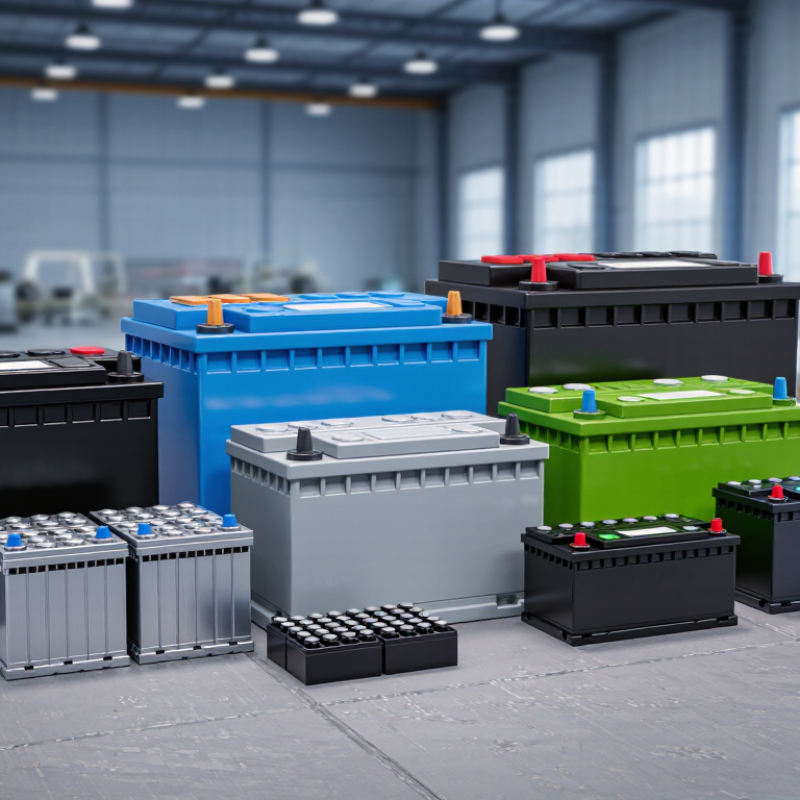
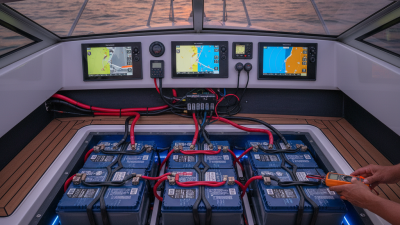
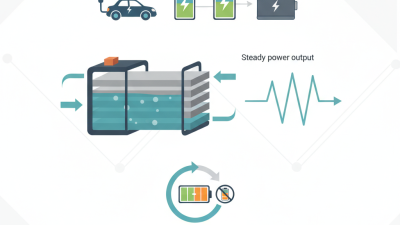
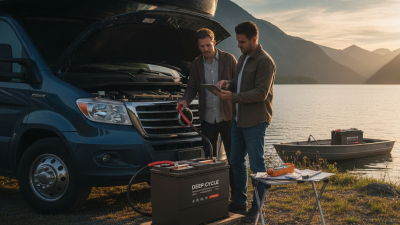
Deep cycle batteries are designed to deliver steady power over extended periods and tolerate repeated discharge and recharge. They differ from starter batteries, which provide a brief burst of current to start an engine. You’ll find deep cycle systems in solar energy storage, recreational vehicles, boats, and off-grid cabins. Some backup power setups use them too. The right choice depends on the load, expected runtime, charging equipment, and operating conditions.
Battery chemistry affects weight, maintenance, charging needs, and usable capacity. Lead-acid batteries are common, but their capacity and service life depend on proper charging and avoiding excessive discharge. Lithium-based options are often lighter, though they require compatible charging controls. A capacity label alone can mislead. A chart may make sizing look precise; real usage is messier. Cold weather, aging, and unexpected loads can all reduce available runtime.
Tips: List the devices you’ll power and their wattage. Estimate daily energy use, then allow a practical reserve. Check that battery voltage matches the system and that the charger follows the battery maker’s specified profile. Keep terminals clean and secure, and provide suitable ventilation where required. Monitor temperature and state of charge during use. Small details matter. A poorly matched charger can shorten battery life, even when the battery itself is well chosen.
China’s deep-cycle battery industry serves applications that need repeated charging and steady power, including backup systems, off-grid equipment, and energy storage. Its supply chain spans cell materials, battery assembly, testing, and recycling. Production scale is substantial. The Ministry of Industry and Information Technology reported that China’s lithium-ion battery output exceeded 940 GWh in 2023, with energy-storage batteries accounting for 185 GWh. These figures show industrial capacity, but they do not isolate deep-cycle products.
Manufacturers typically balance cycle life, usable capacity, charging speed, and cost. Lead-acid batteries remain relevant where upfront price and established maintenance practices matter. Lithium-based systems are often selected when lower weight and frequent cycling are priorities. The trade-offs are practical: heat, charging habits, and discharge depth can all affect service life. A datasheet alone cannot predict performance in a dusty telecom cabinet or a sun-exposed storage room.
The market is also shaped by expanding storage demand. The China Energy Storage Alliance’s 2024 industry review reported strong growth in newly commissioned energy-storage capacity during 2023. Still, “deep cycle” is not a single standardized performance promise. Buyers need comparable test conditions, cycle-life data at stated discharge depths, and clear warranty terms. Some product claims remain difficult to compare. That deserves closer scrutiny.
A credible comparison of Chinese deep cycle battery manufacturers starts with test conditions, not headline capacity. Check whether cycle-life figures use the same depth of discharge, charge rate, and temperature. A result measured at 25°C may not predict performance in a hot equipment cabinet. Ask for test reports and confirm how usable capacity changes over repeated cycles. Numbers matter.
Review cell consistency, battery management protections, and production traceability. Can the supplier link a finished unit to its cell batch and inspection record? Request details on overcharge, short-circuit, and temperature safeguards, plus the standards used for relevant product testing. Do not treat a certificate as proof of every claim. Read its scope and date.
After-sales support deserves equal weight. Compare warranty terms, replacement procedures, and access to technical staff. Ask how the manufacturer handles capacity complaints and what evidence it requires. A low price can look attractive, but unclear exclusions may change the real cost. No scorecard is perfect. Weight each criterion against the battery’s actual duty cycle, installation environment, and service needs; some questions will remain unanswered, and that uncertainty should count.
| No. | Evaluation Criterion | What to Verify | Useful Evidence or Comparison Method |
|---|---|---|---|
| 1 | Product range and chemistry | Whether the supplier offers deep-cycle products suited to the application, including clearly identified lead-acid or lithium-ion chemistry and battery configuration. | Check datasheets for chemistry, nominal voltage, capacity, intended application, and any required battery-management system. |
| 2 | Capacity rating and test conditions | Whether rated capacity is stated with its discharge rate, temperature, end-of-discharge voltage, and measurement method. Lead-acid capacity commonly depends on the stated discharge rate. | Compare capacity figures only when test conditions match; look for ratings such as C10 or C20 where applicable. |
| 3 | Cycle-life substantiation | Whether cycle-life claims specify depth of discharge, charge and discharge rates, temperature, and the remaining-capacity threshold used to define end of life. | Request test reports and compare claims under the same test conditions; cycle-life figures are not directly comparable when conditions differ. |
| 4 | Safety and applicable standards | Whether the product has been assessed against safety requirements appropriate to its chemistry and intended use. IEC 62619 covers safety requirements for industrial lithium secondary cells and batteries. | Verify the exact standard, product model, report or certificate scope, issuing body, and validity rather than relying on a general standards claim. |
| 5 | Transport documentation | For lithium batteries shipped by air, sea, or road, whether the applicable transport test documentation and shipment information are available. | Request the UN Manual of Tests and Criteria, subsection 38.3 test summary for the relevant lithium battery type and model. |
| 6 | Quality-management controls | Whether documented processes cover production control, inspection, corrective actions, and product traceability. | Check the scope and validity of any ISO 9001:2015 certificate, and ask how production batches and test records are identified. |
| 7 | Environmental management | Whether the supplier maintains documented environmental-management processes and can explain applicable material handling and recycling arrangements. | Where claimed, verify the scope and validity of ISO 14001:2015 certification; confirm recycling and disposal requirements for the destination market. |
| 8 | Operating limits and protection | Whether permitted charging and discharging temperatures, voltage limits, current limits, and protective functions are clearly documented for the product. | Review the installation and operating manual; for lithium products, confirm battery-management protections and system compatibility. |
| 9 | Warranty and after-sales support | Whether warranty duration, exclusions, claim procedures, and technical-support responsibilities are stated clearly for the intended market. | Review the written warranty and confirm service contacts, required claim evidence, and responsibility for shipping or replacement costs. |
| 10 | Supply capability and consistency | Whether production capacity, lead times, order requirements, and batch-to-batch inspection procedures meet the buyer’s project needs. | Assess recent sample test records, production and delivery schedules, inspection plans, and the supplier’s process for handling nonconforming products. |
These criteria are for comparing suppliers, not a verified ranking of individual manufacturers. Battery performance, certifications, and warranty terms should be confirmed for the exact model and market.
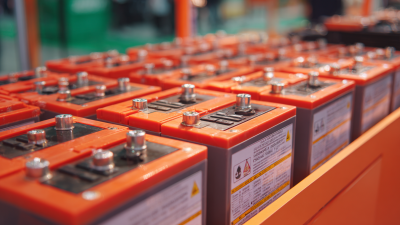
Profiles of China’s top ten deep-cycle battery manufacturers are most useful when they compare engineering choices, not just factory size. The companies operate across flooded lead-acid, AGM, gel, and lithium-ion designs. Each profile should note rated capacity, cycle life at a stated depth of discharge, temperature range, and warranty terms. These details matter in a solar cabinet, a marine compartment, or an off-grid shed. A cycle-life claim without test conditions tells little. A ranking can mislead.
The International Energy Agency’s Global EV Outlook 2024 reports that China produced nearly 80% of global battery cells in 2023. That figure covers battery cells broadly, not deep-cycle products alone. The IEA’s Batteries and Secure Energy Transitions (2024) reports a roughly 130% rise in annual battery-storage additions in 2023, signaling stronger demand for stationary storage. It does not prove that every manufacturer serves that market well. Look for documented quality controls, clear performance data, and practical service support. Small differences matter. A thin manual or vague cycle testing deserves scrutiny; even a capable factory may communicate poorly.
China’s deep-cycle battery manufacturers work with several technologies, and each suits a different duty cycle. Flooded lead-acid batteries are often chosen for cost-sensitive systems with space for ventilation and routine maintenance. AGM batteries contain absorbed electrolyte, so they are sealed and easier to install in mobile equipment. They can still be heavy, and repeated deep discharge may shorten service life.
Lithium iron phosphate batteries typically offer lower weight and more usable capacity per cycle, but they need a battery management system to monitor voltage and temperature. That can suit solar storage, electric utility carts, and marine equipment where space is limited. Not always. Cold-weather charging limits and upfront cost deserve attention. Product comparisons should include rated capacity, recommended discharge depth, cycle-life test conditions, and warranty terms—not just a headline cycle count. A 12-volt battery powering a cabin’s lights has different needs from a unit driving a lift through repeated work shifts. Check the charger profile, operating temperature range, and enclosure rating against the installation site. Specifications can look precise, yet test conditions vary; that is an area buyers should question.