How to Choose a Deep Cycle Boat Battery in 2026
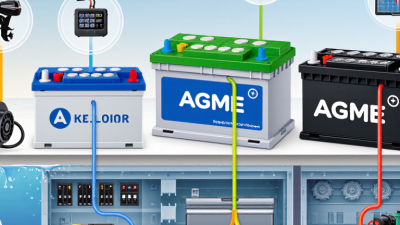
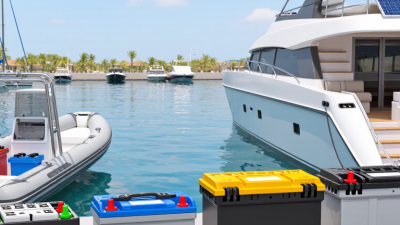
Choosing a deep cycle boat battery in 2026 means matching the battery to your boat, not just its price tag. A compact fishing boat with a fish finder and navigation lights has different needs from a cabin cruiser running refrigeration overnight. Marine systems author Nigel Calder’s work emphasizes understanding electrical loads and charging systems. A practical paraphrase of that guidance is: “Match battery capacity to real loads, and make sure the charging system can restore it.” This is a paraphrase, not a verbatim quotation.
Start with the equipment you actually use. Note its current draw, expected running time, and how often you can recharge. A sonar display used for a morning trip is not the same load as a trolling motor working against wind for hours. Look beyond advertised capacity, too. Usable energy, battery chemistry, charger compatibility, weight, and available space all affect performance. A battery that fits the compartment may still be a poor choice if its charging requirements do not match your onboard system.
Details matter.
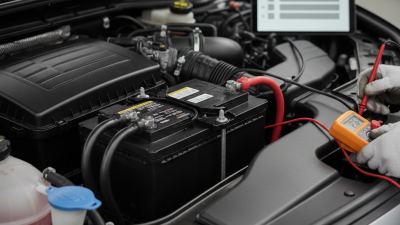
This guide will explain how to compare lead-acid, AGM, and lithium options, read capacity ratings, and estimate runtime without relying on guesswork. It will also cover charging, installation, and routine checks. A small voltage display can reveal a problem before a quiet anchorage turns inconvenient. Yet even careful estimates have limits: temperature, battery age, and real-world loads can change results. Choosing well is less about finding one “best” battery and more about finding a dependable fit for your boat and habits.
Understand What a Deep-Cycle Boat Battery Does
A deep-cycle boat battery supplies steady power over hours, rather than a brief burst for starting an engine. That matters. It may run a trolling motor, fish finder, cabin lights, or a livewell while the engine is off. A starting battery is built for short, high-current cranking; repeatedly draining it to power onboard equipment can shorten its useful life.
Think of the battery as a small onboard energy reservoir. Its amp-hour rating estimates current delivery over time under specified test conditions, but actual usable capacity depends on chemistry, temperature, age, and discharge rate. A cold morning or a motor working hard can reduce runtime. So can an optimistic load estimate. The distinction sounds simple, but it is easy to size a battery around the motor and forget the lights, electronics, and pump.
For lead-acid batteries, care and end-of-life handling matter too. Battery Council International’s 2023 National Recycling Rate Study reported a 99% U.S. recycling rate for lead batteries. That figure describes recycling, not battery performance, but it shows how established recycling is for this chemistry. Before choosing a type, check the equipment’s voltage and expected daily energy use, then compare usable capacity and charging needs—not just the amp-hour number on the label.
Calculate Your Boat’s Voltage and Energy Requirements
Start with the boat’s electrical system voltage, usually shown on the battery or equipment labels. Every device connected to the system must be compatible with that voltage. Then list the appliances you expect to run: a fish finder, navigation lights, a refrigerator, or a trolling motor. Record each device’s wattage and estimated daily operating hours. Small loads add up. I have learned that guessing at motor use is especially unreliable; wind, current, and speed can change consumption quickly.
Estimate energy use by multiplying each device’s watts by its operating hours, then add the results in watt-hours.
For example, a 60-watt device used for five hours consumes about 300 watt-hours.
Divide the daily total by system voltage to estimate amp-hours, and allow extra capacity for conversion losses and unexpected use. A battery’s rated capacity is not always fully usable, so check the manufacturer’s guidance for its chemistry and recommended discharge limits.
Real water differs. Keep a reserve for poor weather or a longer return trip, and compare your estimate with actual use after a few outings. My first calculation is rarely perfect, which is why a simple usage log can be more useful than false precision.
Compare Battery Chemistries, Capacity, and Lifespan
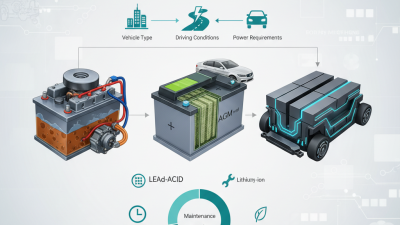
For a boat’s house bank, compare flooded lead-acid, AGM, and lithium iron phosphate (LFP) by usable capacity, not just amp-hours. A 100 Ah lead-acid battery is often limited to about 50 Ah of routine use; an LFP bank may provide around 80 Ah at an 80% depth of discharge. These are planning estimates, not guarantees. Capacity also changes with discharge rate, temperature, and battery age. A refrigerator cycling beside a warm engine compartment can make the label feel optimistic.
Cycle life separates the chemistries, but conditions matter. The Pacific Northwest National Laboratory’s 2022 Grid Energy Storage Technology Cost and Performance Assessment uses approximate cycle-life assumptions of about 1,000 cycles for lead-acid and 4,000 for lithium-ion systems. Those are modeling figures for grid storage, not promises for boats. Flooded batteries need ventilation and maintenance; AGM batteries are sealed, but still sensitive to overcharging. LFP can offer more usable capacity and longer cycle life, yet requires compatible charging equipment and battery management. Check the charger, alternator, and manufacturer’s discharge limits together. That detail is easy to miss. I would not size a bank from one weekend’s usage alone; record daily loads, then leave room for cloudy days, anchor lights, and an aging battery.
How to Choose a Deep Cycle Boat Battery in 2026
Compare typical usable capacity and cycle life by battery chemistry.
Usable capacity is shown as a percentage of rated amp-hours; cycle life is an approximate number of charge-discharge cycles. Representative values assume appropriate charging and maintenance, and actual results vary by battery design, depth of discharge, temperature, and use. Size your battery bank to your onboard loads and desired runtime.
Check Charger Compatibility, Size, and Installation Needs
Check the charger before choosing a battery. A 12-volt label alone does not guarantee compatibility: flooded, AGM, and lithium batteries can require different charging profiles and voltage limits. Match the charger’s chemistry setting and output to the battery maker’s specifications, and check whether its current suits the battery’s capacity. The Battery Council International’s Battery Technical Manual defines reserve capacity through a standardized test: a fully charged battery supplies 25 amps at 80°F until voltage reaches 10.5 volts. That rating helps compare batteries, but it is not a promise of hours aboard; real loads and temperature change the result. Keep a simple load list, including lights, pumps, and electronics.
Then check dimensions, weight, terminal position, and hold-down space against the actual compartment. Measure twice. I’ve learned that a battery can fit on paper and still block the hatch. Leave room for cable bends, inspection, and ventilation, especially with flooded batteries. ABYC’s E-10 battery-installation standard is a useful reference for secure mounting and safe installation practices. Inspect cable condition and fuse placement, too; a cramped compartment can make routine checks harder than expected. Build in some capacity margin, but avoid buying a larger battery that the charger cannot properly recharge.
Assess Safety, Maintenance, and Long-Term Costs
A deep-cycle boat battery should fit the boat’s electrical load, but safety deserves equal attention.
Check the manual for the required battery type, charging profile, and installation location.
Flooded lead-acid batteries need ventilation and periodic electrolyte checks; keep sparks away while charging.
Sealed lead-acid batteries need less routine care, while lithium batteries rely on a battery management system for protection.
Match the charger to the battery chemistry.
A mismatched charger can shorten service life or create hazards. Small details matter. Secure the battery against movement, and protect exposed terminals from accidental contact.
Maintenance affects the real cost of ownership.
Compare the purchase price with expected cycle life, usable capacity, charger needs, and replacement effort. A cheaper battery may require more frequent replacement, while a higher-priced option may reduce routine checks.
Still, advertised cycle life depends on temperature, discharge depth, and charging habits.
I would not treat a laboratory rating as a promise for every season on the water. Keep a simple log of charging and voltage readings; it can reveal declining performance before a trip. Remember to include the cost of compatible charging equipment and safe mounting, not just the battery itself.
That adds up.