Top Power Backup Solutions in 2026 for Global Buyers

Power outages do not wait for a convenient hour. A voltage dip can stop a production line, spoil refrigerated stock, or darken a remote clinic. For global buyers, choosing power backup is not simply a matter of comparing battery capacity or generator prices. The right solution depends on outage frequency, critical loads, local service access, fuel availability, and the conditions where equipment will operate.

Energy-efficiency expert Amory Lovins is often credited with saying, “The cheapest energy is the energy you don’t use.” That principle matters here: reducing avoidable demand can make backup systems smaller and easier to maintain. Still, efficiency alone cannot keep a server room online during a long outage. Buyers may need battery storage for instant response, a generator for extended downtime, or a hybrid system that combines both. A warehouse in a hot, dusty region has different needs from a city office with brief interruptions.

This guide examines leading power backup solutions in 2026 through practical criteria: runtime, response speed, maintenance, expandability, and total operating cost. It also considers details that brochures can gloss over, such as battery replacement access, transfer-switch compatibility, and spare-parts availability. No single shortlist fits every grid or budget. Some trade-offs remain uncomfortable, and vendor claims deserve careful checking. The goal is a more informed choice—not a promise that outages will never matter.
Top Power Backup Solutions in 2026 for Global Buyers

What Power Backup Solutions Are and How They Work

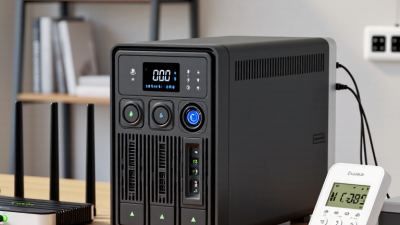
Power backup solutions keep essential equipment running when the grid fails or becomes unstable. They range from compact uninterruptible power supplies (UPS) to battery systems and standby generators. Each works differently.

A UPS senses a voltage drop and switches to stored battery power within milliseconds. Its inverter converts direct current into alternating current for computers, routers, medical monitors, or control panels. A battery energy storage system can support larger loads for longer periods, depending on capacity and demand. The battery stores electricity supplied earlier, then releases it when needed. Some hybrid systems pair batteries with solar generation, though cloudy weather can reduce recharging.

A standby generator uses fuel to produce electricity and may run for hours if fuel and maintenance are available. An automatic transfer switch isolates the building from the grid and connects the backup source. Without proper sizing, a refrigerator motor or pump may briefly demand more power than expected.

Buyers should compare continuous output, surge capacity, battery runtime, recharge time, and local voltage and frequency.

For example, a 1,000-watt load running for four hours needs at least 4 kilowatt-hours before conversion losses. Real systems need extra reserve.

A room-temperature estimate may not match a hot equipment cabinet or an aging battery. Routine testing can reveal weak batteries, blocked ventilation, or a transfer switch that fails to engage.

Main Types of Power Backup Systems Available in 2026

Main Types of Power Backup Systems Available in 2026

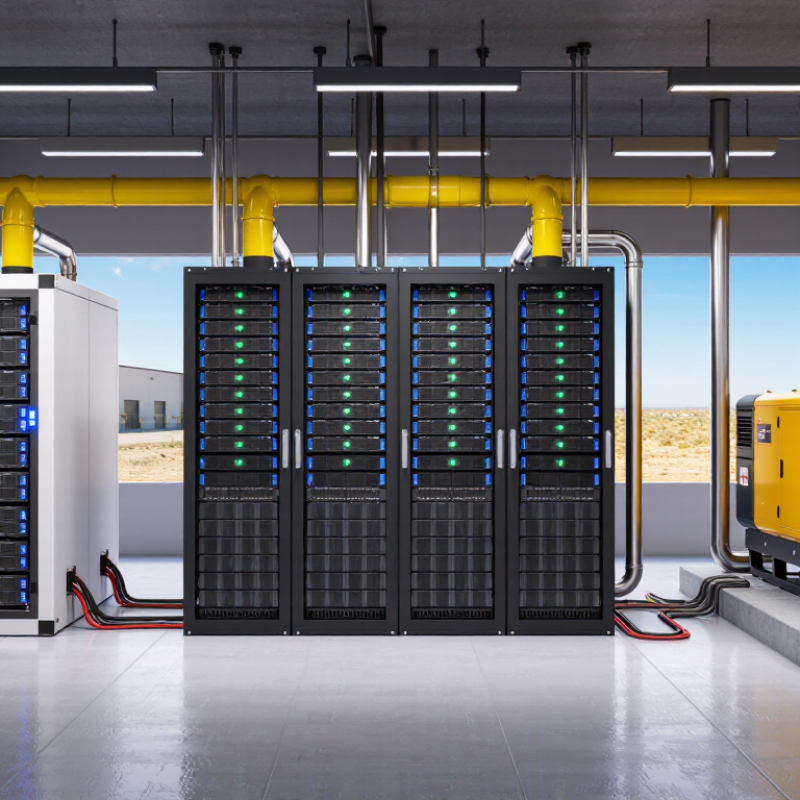
Power backup systems serve different needs, from seconds of ride-through to days without grid supply. Uninterruptible power supplies (UPS) switch quickly to batteries, protecting servers, medical equipment, and control systems from brief outages. They are not designed for long blackouts.

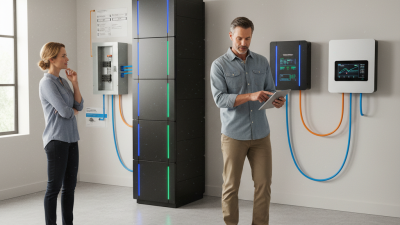
Battery energy storage systems can support larger loads and recharge from the grid or on-site generation. Their practical runtime depends on battery capacity, temperature, and the loads connected.

Standby generators remain useful where outages last for hours or days and fuel can be reliably delivered. They need regular testing, ventilation, and maintenance; a unit that looks adequate on paper may struggle with motor-starting surges.

Hybrid systems pair solar generation with batteries and, sometimes, a generator. This can reduce fuel use, but cloudy weather and seasonal variation complicate planning.

Demand is rising. The International Energy Agency’s Electricity 2024 report projected global electricity demand growth averaging about 3.4% annually through 2026. That makes backup planning more relevant, but does not point to one best system. A warehouse may prioritize long runtime, while a data room needs near-instant transfer. Start with critical-load measurements and required autonomy, then check recharge time and service access. Small details matter. Estimates often assume every load runs steadily; real equipment rarely behaves so neatly.

How Backup Solutions Compare Across Applications

Backup needs differ by application, because a brief voltage dip and a six-hour outage create different risks. In data centers, an uninterruptible power supply bridges the gap while generators start; battery duration must match the site’s tested transfer time. The International Energy Agency’s Electricity 2024 report projects data-center electricity use could exceed 1,000 terawatt-hours by 2026. That growth makes efficient, regularly tested backup planning more important.

Hospitals need dependable power for critical circuits, with clear separation between life-safety loads and nonessential equipment. Telecom sites often need batteries that can carry remote equipment through delayed fuel delivery. Warehouses may prioritize safe shutdowns and enough runtime to protect temperature-sensitive stock. For homes, a smaller battery can cover lights, communications, and refrigeration, but not necessarily electric heating. Uptime Institute’s 2024 Annual Outage Analysis found that 54% of surveyed organizations reporting a serious outage put its cost above $100,000. The stakes vary.

For buyers, compare runtime at actual load, transfer behavior, fuel or recharge access, maintenance, and installation conditions—not headline capacity alone. A generator can support long outages, yet requires fuel and routine testing. Batteries respond quickly and quietly, but extended runtime can become costly. Hybrid systems can balance these strengths, though controls add complexity. The awkward part: published specifications rarely capture every site constraint. A load test and outage review are better starting points.

Top Power Backup Solutions in 2026 for Global Buyers — How Backup Solutions Compare Across Applications

Backup solution Typical capacity range Typical response time Practical backup duration Best-fit applications Key advantages Main considerations
Online UPS with batteries Hundreds of VA to several MVA Effectively zero interruption at the protected output Usually minutes at high load; longer runtime requires additional battery capacity Servers, data centers, medical equipment, control systems and other sensitive loads Conditions incoming power and provides seamless transfer for connected equipment Battery replacement and testing are essential; longer runtimes can increase space, cost and cooling requirements
Standby or line-interactive UPS Typically hundreds of VA to tens of kVA Usually a few milliseconds, depending on design and load Generally minutes; sized primarily to bridge short outages or allow safe shutdown Desktop computers, small offices, network equipment and point-of-sale systems Compact and economical for smaller critical loads; some models regulate modest voltage fluctuations Not equivalent to an online UPS for every sensitive load; confirm transfer-time tolerance and runtime at actual load
Diesel generator Several kW to multi-MW installations Typically around 10–30 seconds, including starting and transfer Hours or days when fuel is available and replenished Hospitals, industrial facilities, construction sites and large commercial buildings High power output and well-established use for extended outages Requires fuel storage or delivery, regular maintenance, ventilation, emissions controls and noise management
Natural-gas generator Several kW to multi-MW installations Typically seconds to tens of seconds, depending on system design Can operate for extended periods while gas supply remains available Commercial buildings, campuses and sites with dependable gas infrastructure Avoids on-site liquid-fuel replenishment and can support long-duration operation Reliability depends on the gas connection; pipeline disruptions and local permitting requirements should be assessed
Battery energy storage system (BESS) From tens of kWh to multi-MWh systems Milliseconds to seconds, depending on inverter and transfer configuration Determined by usable battery energy and load; commonly configured for hours rather than days Commercial sites, microgrids, peak management and facilities needing quiet, fast-response backup Fast response, no on-site combustion during discharge and flexible integration with the grid or generators Capacity, power rating and duration are separate design choices; fire protection, thermal management and end-of-life planning matter
Solar PV with battery storage Residential systems of several kWh to commercial and utility-scale installations Typically seamless or near-seamless when designed with a backup-capable inverter Depends on battery size, load and solar availability; sunlight can extend runtime but is variable Homes, remote facilities and sites seeking backup alongside on-site renewable generation Can recharge from solar during suitable conditions and reduce reliance on delivered fuel Solar output varies with weather, season and daylight; not every grid-connected solar system can supply power during an outage
Portable battery power station Usually a few hundred Wh to a few kWh Immediate for directly connected equipment; transfer capability varies by model Typically hours for small loads; shorter for high-power appliances Travel, temporary work areas, communications equipment and limited home emergency loads Portable, quiet and simple to deploy for appropriately sized devices Limited energy and output; verify continuous and surge ratings, and do not assume it can safely power fixed wiring or life-safety equipment

Planning note: Capacity and response figures are indicative rather than guaranteed specifications. Actual performance depends on system sizing, load profile, transfer equipment, installation, local grid conditions and applicable regulations. Confirm critical-load requirements and tested runtime with a qualified designer.

How Global Buyers Can Evaluate Systems and Suppliers

Top Power Backup Solutions in 2026 for Global Buyers

Global buyers should match backup systems to the site’s actual load, outage patterns, and recovery needs. A hospital, warehouse, and remote telecom site need different runtimes and transfer speeds. Uptime Institute’s 2024 Annual Outage Analysis found that 54% of significant outages cost over $100,000. Sixteen percent exceeded $1 million. That makes a tested recovery plan as important as equipment price.

Compare usable capacity, runtime at peak load, recharge time, and performance in local temperatures. Ask suppliers for load-test records, battery replacement assumptions, and clear warranty exclusions. Request proof of maintenance coverage near the installation site. A polished specification sheet can still hide slow service. Check who answers at 2 a.m., and how quickly common spare parts arrive.

The IEA’s Batteries and Secure Energy Transitions report says power-sector battery additions reached about 42 GW in 2023, more than 130% above 2022. Market growth does not guarantee dependable suppliers. Verify installation references, commissioning procedures, and performance data from comparable sites. Include freight, duties, disposal, and technician travel in lifecycle costs. I would still treat projected savings cautiously; operating conditions rarely match a perfect model.

Top Power Backup Solutions in 2026: Comparing UPS Transfer Time

Typical upper-end transfer time by UPS topology. Lower transfer time helps protect equipment from brief power interruptions.

Indicative topology-level figures: standby UPS systems commonly transfer in about 4–8 ms, line-interactive systems in about 2–4 ms, and online double-conversion systems have no transfer gap. Actual performance varies by model and operating conditions; verify supplier datasheets and test requirements before purchasing.

Installation, Maintenance, Safety, and Regulatory Considerations

Top Power Backup Solutions in 2026 for Global Buyers

A reliable backup system starts with a clear load estimate, not the largest unit available. List essential equipment, note its starting demand, and decide how many hours it must run. A refrigerator, router, and medical device may need different operating priorities. It is easy to overestimate capacity; revisit the list after measuring actual use. Small details matter.

Installation should follow the equipment manual and local electrical and building requirements. Rules differ by country and sometimes by region. Have a qualified electrician assess wiring, grounding, ventilation, and transfer switching. Keep batteries away from heat, moisture, and blocked exits. Use the specified cables and protective devices. Never assume an existing outlet can safely support a new system. Maintenance also matters: inspect connections for corrosion, clear ventilation openings, and test the system at the interval stated by its manufacturer. Record dates and results. Keep records.

Tips: Before purchase, ask the supplier for applicable safety certifications and documentation for your destination market. Check warranty conditions, service access, and replacement-part availability. Store the manual near the unit, but not where heat or moisture can damage it. A brief test under realistic load can reveal problems that a status light misses.