Top Battery Store in China for Global Buyers Seeking Quality?
In the evolving landscape of battery solutions, finding the right battery store in China can be challenging for global buyers. China stands out as a hub for quality batteries, offering a wide range of products. This diversity caters to various needs, from consumer electronics to electric vehicles.
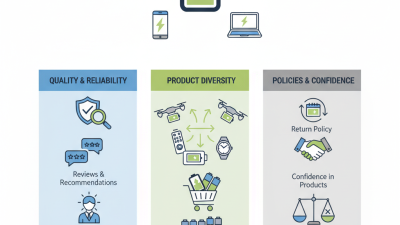
Many buyers seek quality and reliability when selecting a battery store. However, not all stores maintain the same standards. Some may prioritize low prices over quality, leading to potential risks. It's crucial to conduct thorough research before making any purchases.
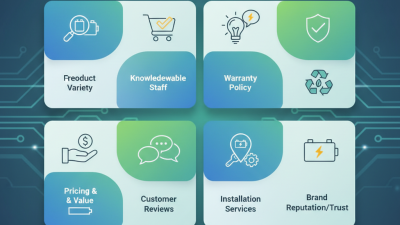
A trusted battery store will provide necessary certifications and offer transparent information about their products. Reviews from previous customers can also shed light on a store’s reputation and reliability. As the market grows, buyers must remain vigilant and discerning to ensure they choose wisely.
Top Battery Manufacturing Regions in China
China is becoming a pivotal hub for battery manufacturing. Regions like Guangdong, Jiangsu, and Shanghai lead the charge. These areas provide extensive supply chains and skilled labor. As of 2022, China held over 70% of the global battery production market share. This makes them a prime destination for global buyers seeking quality.
Guangdong province, particularly the cities of Shenzhen and Dongguan, has numerous factories producing lithium-ion batteries. These batteries are essential for electric vehicles (EVs) and consumer electronics. Reports suggest that the demand for EV batteries alone may reach 10 million units by 2025 in China. Furthermore, advances in technology are leading to higher energy densities in newer battery models.
A potential concern includes the environmental impact of battery production. Raw material extraction must be managed to minimize ecological harm. Buyers should investigate manufacturers' sustainability practices. Doing so ensures that the products align with global environmental standards. Attention to supply chain transparency is crucial for responsible sourcing.
Key Considerations for Global Buyers of Batteries
When sourcing batteries from China, global buyers should consider several crucial factors. The Chinese battery market is robust, with an estimated value of $65 billion in 2022, according to industry reports. This significant growth is due to advancements in technology and increased demand, particularly for electric vehicles and renewable energy storage. However, navigating this market requires a nuanced approach to ensure quality and reliability.
Quality assurance must be a priority for buyers. It's essential to evaluate manufacturers' compliance with international standards like ISO 9001. A reliable factory will provide certifications and production audits. Evaluating product lifecycles can also prevent future issues. Battery lifetimes for lithium-ion, for instance, typically range from 500 to 1500 charge cycles. Buyers should inquire about warranties and return policies, which reflect a company's confidence in its product quality.
Choosing the right supplier can be overwhelming. Seek suppliers with a proven track record. Use platforms that highlight user reviews and case studies to gauge supplier performance. It's also wise to request samples before making large orders. Conducting thorough due diligence mitigates risks associated with subpar products. Quality does not always equate to high prices. Balancing cost and quality is critical for sustainable partnerships.
Top Battery Brands in China by Market Share
Criteria for Evaluating Battery Quality and Performance
When evaluating battery quality and performance, several key criteria come into play. Capacity is an essential factor. It indicates how much energy a battery can store. Reports suggest that the average lithium-ion battery holds approximately 150 Wh/kg. A higher capacity often translates to better performance for users.
Cycle life is another important consideration. This metric reveals how many charge-discharge cycles a battery can sustain before losing significant capacity. Quality batteries typically offer over 500 cycles, based on industry findings. Users should be cautious, as some brands may overstate their cycle longevity.
Additionally, safety standards matter greatly. A reliable battery should adhere to international safety certifications. Reports indicate that about 30% of battery recalls are due to safety issues. Buyers must consider this aspect seriously. Users should seek batteries with documented performance in extreme temperature conditions. Evaluating thermal stability can prevent potential hazards.
It's essential to note that not all batteries meet high standards. Some may underperform in real-world usage. Research shows that performance can vary significantly among manufacturers. Buyers should be vigilant and thorough in their selection process to ensure the best quality.
Popular Battery Brands and Their Offerings in China
China is a powerhouse in the global battery market. Current statistics show that the country produces over 70% of the world's lithium-ion batteries. Many international buyers are drawn to its quality offerings. Leading manufacturers focus on various battery types, including lithium, lead-acid, and nickel-metal hydride. Each type serves different applications, from electric vehicles to consumer electronics.
Industry reports indicate that the demand for electric vehicle (EV) batteries will reach 1,045 GWh by 2030. This trend has led many brands to invest heavily in research and development. Their goal is to enhance battery efficiency and lifespan. Despite this, challenges exist. Some manufacturers struggle with quality control. Ensuring consistent performance across batches can be a daunting task. Buyers need to conduct thorough research into production practices.
Emerging brands are also making a mark. They focus on innovative solutions and sustainable practices. This mix adds complexity to the market. Buyers must navigate between established names and new entrants. Quality assurance remains paramount. Data shows that companies with rigorous testing protocols often outperform competitors. Such details are crucial for buyers seeking reliability in their battery sourcing.
Logistics and Importing Strategies for Global Buyers
In the dynamic landscape of global battery sourcing, logistics and importing strategies play a crucial role. Managing these facets effectively can build a strong supply chain for buyers. It's essential to understand local regulations. Each battery type may have specific import requirements. Researching these regulations can prevent costly delays or issues at customs.
Building relationships with reliable suppliers is equally important. Communication should be clear and consistent. This can help in understanding product specifications and certifications required for import. Consider visiting the supplier's operation when possible. This offers firsthand insight into their processes and quality control measures.
Shipping options also need careful consideration. Air freight is faster but more expensive. Sea freight is cost-effective but slower. Depending on your urgency and budget, you may choose one over the other. Assess your inventory needs to avoid excess stock or shortages. Reflecting on past shipments can provide crucial insights. Each hiccup can inform better decisions in future logistics planning. Always keep a record of what worked and what didn’t.